Head-to-head comparison
Brass: Birmingham vs The Castles of Burgundy
Brass is the heavier, more social economic game; Castles of Burgundy is the calmer solitaire-ish point puzzle. For a couple, Castles; for three or four who like pressure, Brass.
 heavy weight
Brass: Birmingham
heavy weight
Brass: Birmingham
$73.78
Build industries and trading networks in an intense economic strategy.
Buy Brass: Birmingham · $73.78 → medium weight
The Castles of Burgundy
medium weight
The Castles of Burgundy
$52.98
Acquire and manage estates in Medieval France to accumulate wealth.
Buy The Castles of Burgundy · $52.98 →Pick Brass: Birmingham if
You want the deeper, more interactive economy: a shared network, a two-era arc, and beer that other players can drink out from under you.
Pick The Castles of Burgundy if
You want a self-contained puzzle with almost no interaction, dice that offer choices rather than luck, and a game that plays well at two in about an hour.
The tradeoff.
Brass: Birmingham
Brass: Birmingham is a network-building economic strategy game where players develop industrial enterprises across 19th-century England. On your turn, you either play a card to build an industry, develop infrastructure, or sell goods for profit. Cards in your hand represent locations and resources, and playing them establishes factories, mines, and trading links. The clever twist: after playing a card, you discard your hand and draw new ones, forcing constant adaptation. The game spans two eras with different rules, and your network's value shifts dramatically between them. You're essentially constructing a supply chain while managing limited hand options and constantly shifting market conditions.
What separates Brass from other economic heavy-hitters is its elegant tension between long-term planning and forced improvisation. Every decision carries weight, building a steel mill creates future opportunities but locks you out of immediate pivots. The table experience feels genuinely tense; players watch each other develop competing networks with real stakes. The two-era structure means your carefully built empire undergoes seismic shifts halfway through, preventing anyone from running away with a dominant position. It's a game where clever timing and network positioning matter more than raw luck, rewarding players who can read opponents and anticipate disruptions.
The Castles of Burgundy
The Castles of Burgundy tasks players with developing medieval estates across a shared map of France over six rounds. Each turn, you roll two dice and spend them to take actions: acquiring new hexagonal tiles from a shared pool, placing those tiles on your personal estate board, or shipping goods to increase your income. The tile placement itself is straightforward, but the dice rolls create genuine tension since your options are constrained by what the numbers allow. You're constantly balancing immediate needs against long-term planning, deciding whether to use a lucky roll for an urgent purchase or bank it strategically.
What separates Burgundy from other medium-weight euros is its elegant economic loop and the satisfying interplay between luck and mitigation. While dice rolls restrict your options, the game respects your agency by offering genuinely meaningful workarounds through shipping actions and careful estate building. The two-player experience is particularly excellent, where direct competition for tiles feels personal without descending into alpha-gaming. The game doesn't have the flashy appeal of newer titles, but it rewards repeated plays with emergent strategy that reveals itself gradually. Winning feels earned rather than lucky.
These are editorial picks; publishers cannot pay to appear here. Amazon links fund the site, and if you'd rather buy local, find a store via BoardGameGeek.
Also worth considering.
Games that share contexts with both Brass: Birmingham and The Castles of Burgundy.
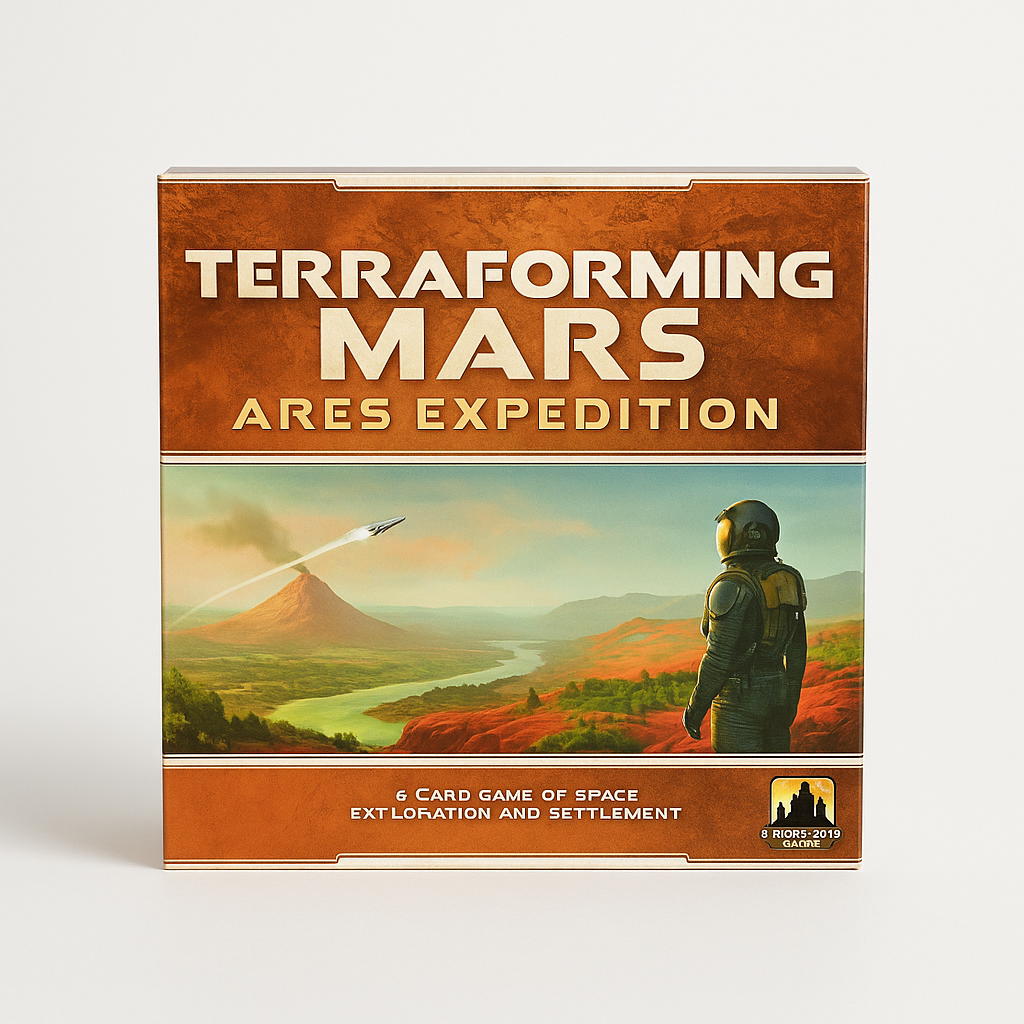
Strategically build and develop Mars faster than your opponents.…
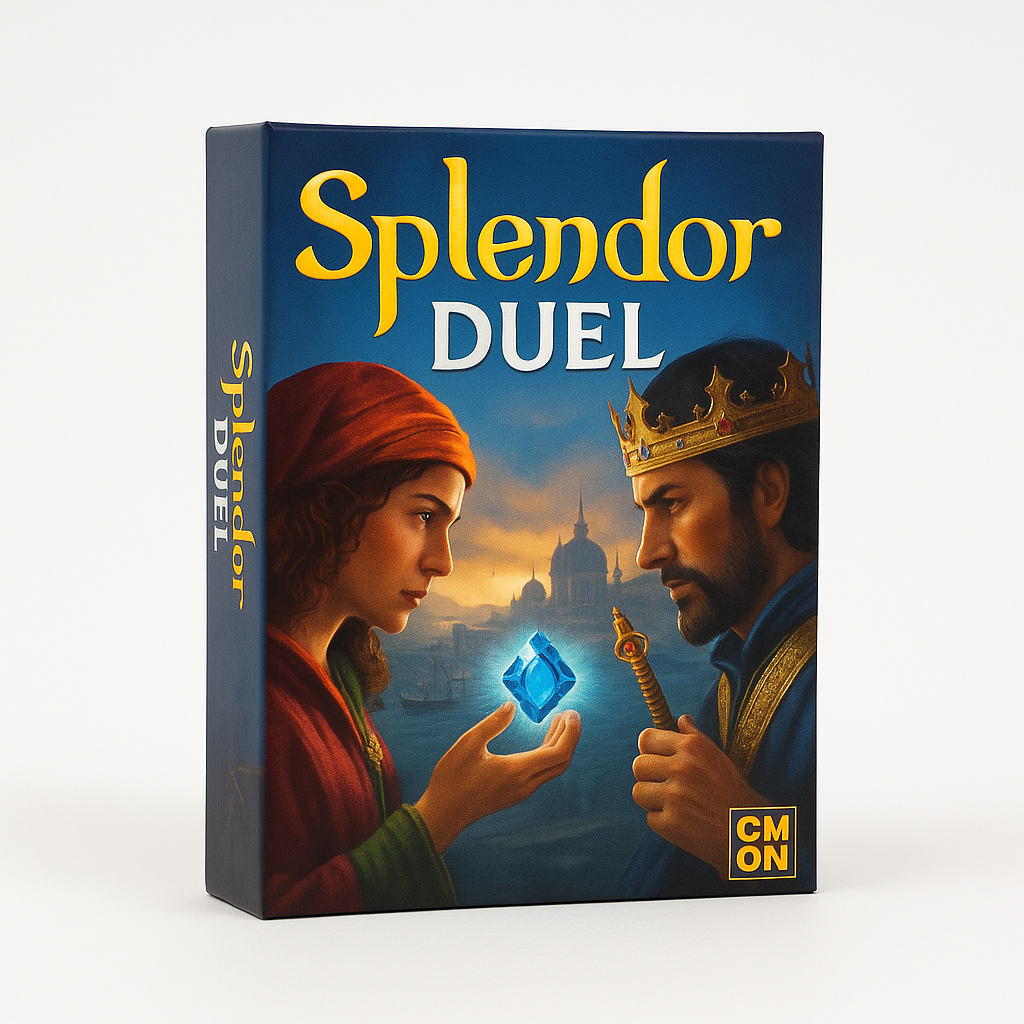
Face off to collect gems and claim prestige in a dual showdown.…
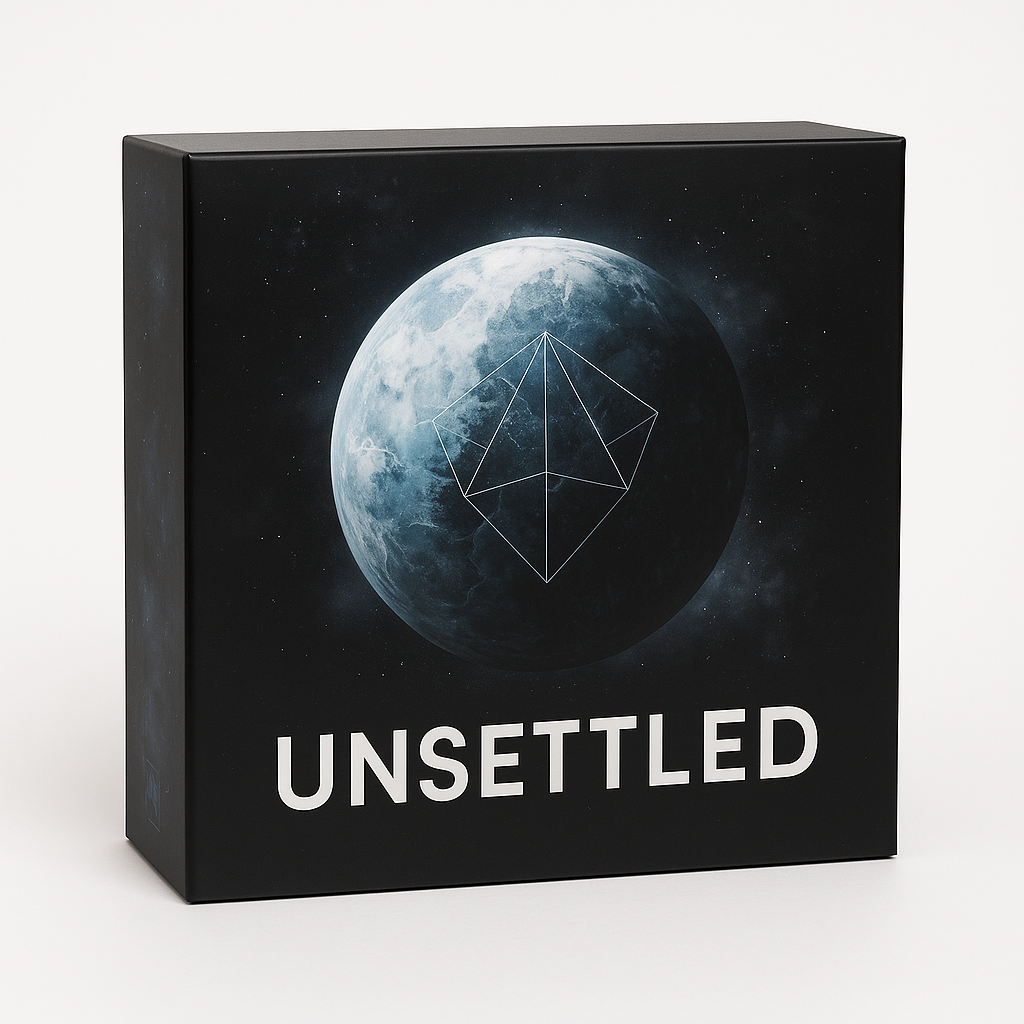
Cooperative survival experience across unknown planets with deep exploration.…
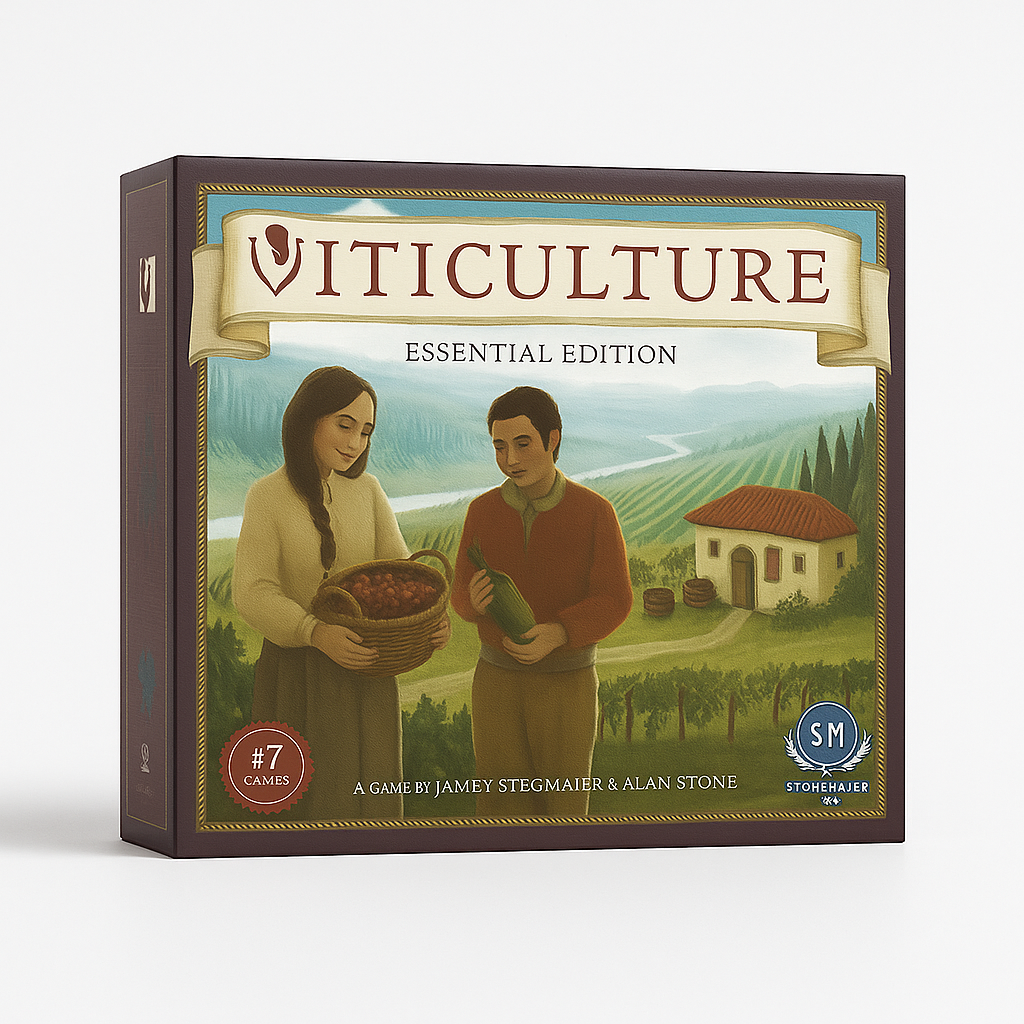
Run your own vineyard by planting vines and harvesting grapes.…