Head-to-head comparison
Codenames vs Wavelength
Both are party games for 4-8+ players. Codenames is more competitive; Wavelength is more collaborative and generates discussion.
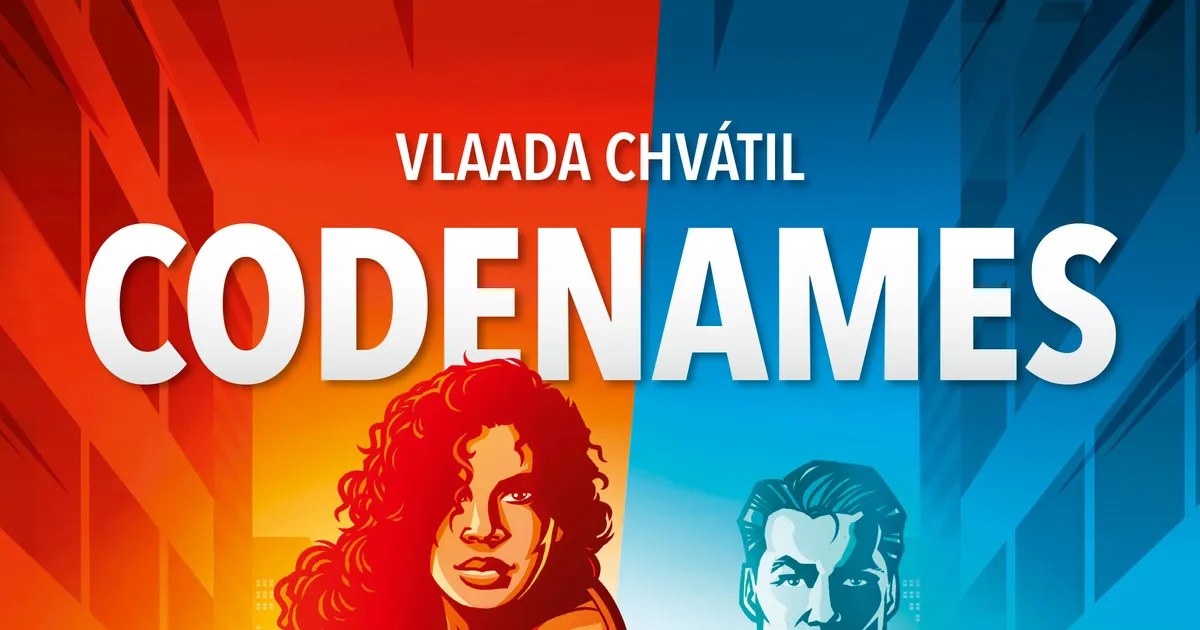 Light weight
Codenames
Light weight
Codenames
$20
Word-association party game. Plays with grandparents, college kids, anyone in between.
Buy Codenames · $20 →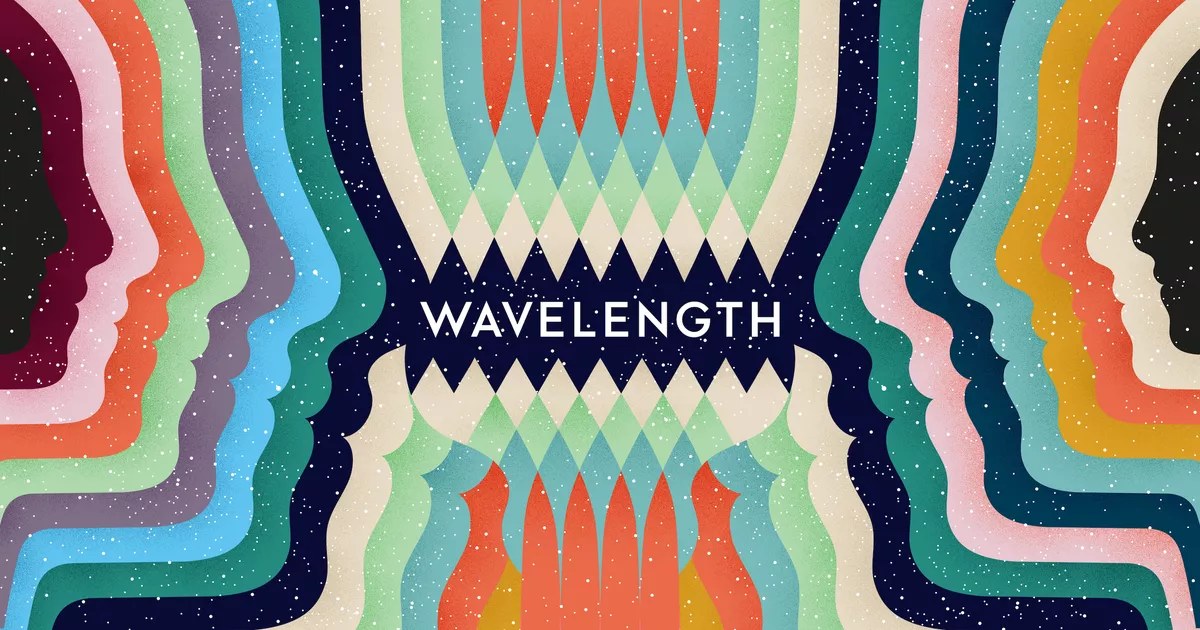 Light weight
Wavelength
Light weight
Wavelength
$40
Team-based concept-guessing. Lights up mixed-age tables. Endlessly replayable.
Buy Wavelength · $40 →Pick Codenames if
You want team-based word association where the challenge is giving precise one-word clues to guide your team.
Pick Wavelength if
You want creative spectrum-guessing where the challenge is reading how your teammate thinks about abstract concepts.
The tradeoff.
Codenames
Codenames is a word-association game where two teams compete to identify their agents by interpreting one-word clues. One player per team acts as the spymaster, seeing a grid of twenty-five words and a hidden key card showing which words belong to their team. Spymasters take turns giving a single clue word plus a number, indicating how many of their team's words relate to that clue. Their teammates then point to words they think match, trying to identify all their agents before hitting an opponent's operative or the assassin, which ends the round immediately. The turn loop is simple, rapid-fire, and endlessly variable because the clue-giving drives everything.
What makes Codenames distinctive is how elegantly it transforms into a showcase for lateral thinking and shared references. The spymasters become improvisational comedians and lateral thinkers, searching for connections others might miss, while their teams become pattern-recognition detectives, debating interpretations in real time. There's genuine tension when a clue points to multiple possibilities and your teammate hesitates over which word to choose. The table fills with conversation, laughter, and occasional groans of "oh, I see it now." Unlike many light party games that feel more like charades variants, Codenames creates genuine moments of intellectual connection and creative problem-solving.
Best for: 5+ Players, Family with Kids, Holiday Gathering
Wavelength
Wavelength strips concept-guessing down to its essence. Two teams take turns with one player acting as the "guesser" while their teammate gives clues about a word or phrase displayed on a card. The twist is the electromagnetic spectrum: clue-givers place a physical wavelength token somewhere along a spectrum printed on the board, anchored by two opposing concepts. A token placed toward "spicy" instead of "mild" suggests different guesses than one near "action" instead of "romance." Teams score points when their guesser lands on the target concept, creating a beautifully simple loop that runs smoothly even with twelve players rotating through.
What sets Wavelength apart is how it creates genuine communication breakthroughs at the table. Unlike games where one person's knowledge dominates or turns drag on forever, this one keeps energy constant and everyone invested regardless of whose teammate is guessing. The spectrum mechanic forces elegant, intuitive clue-giving that generates those magical table moments, someone places their token and suddenly the guesser's face lights up with recognition. Families especially benefit because the game doesn't punish inexperience or pop culture ignorance; you're never lost if you've never heard of someone or something.
Best for: 5+ Players, Family with Kids, Holiday Gathering
These are editorial picks; publishers cannot pay to appear here. Amazon links fund the site, and if you'd rather buy local, find a store via BoardGameGeek.
Also worth considering.
Games that share contexts with both Codenames and Wavelength.
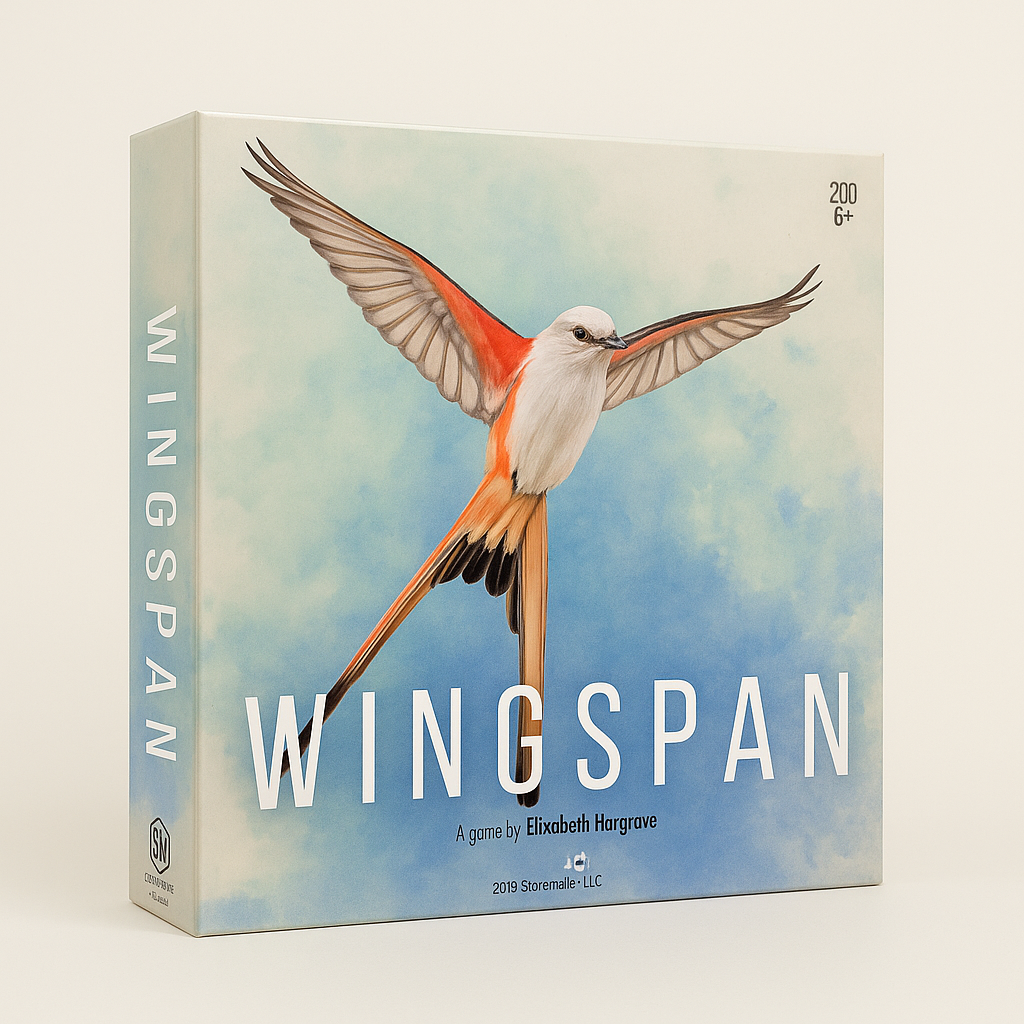
Birds, engine-building, exquisite art. Plays light enough for casual nights, deep enough for repeat play.…
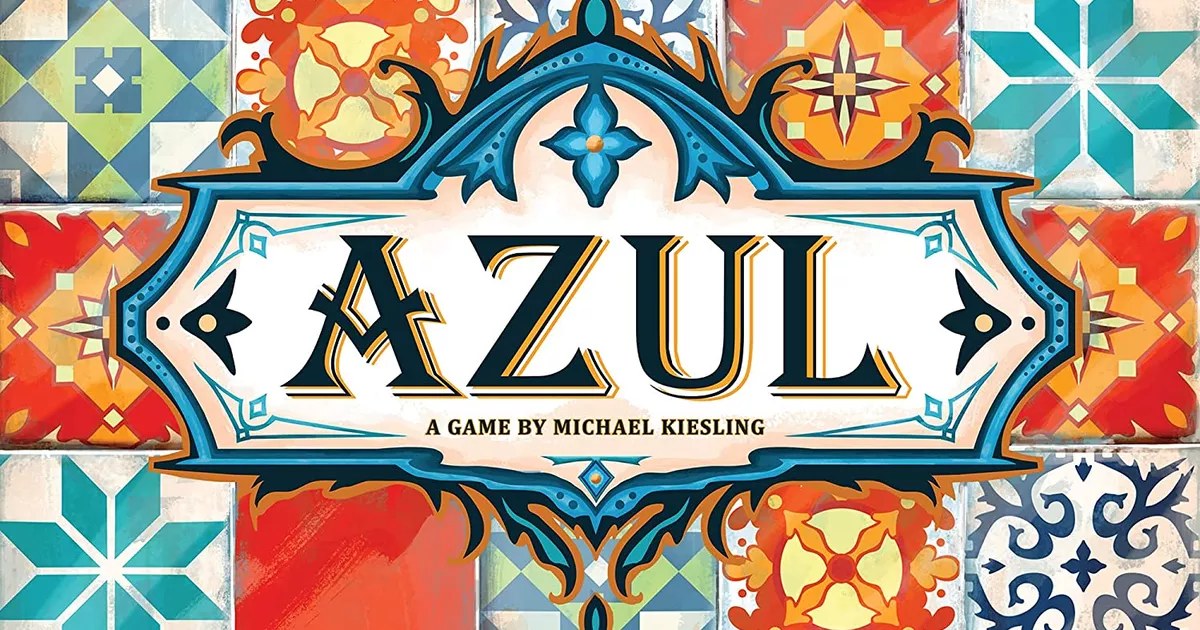
Pattern-laying tile game. Looks beautiful on the table. Teaches in five minutes.…
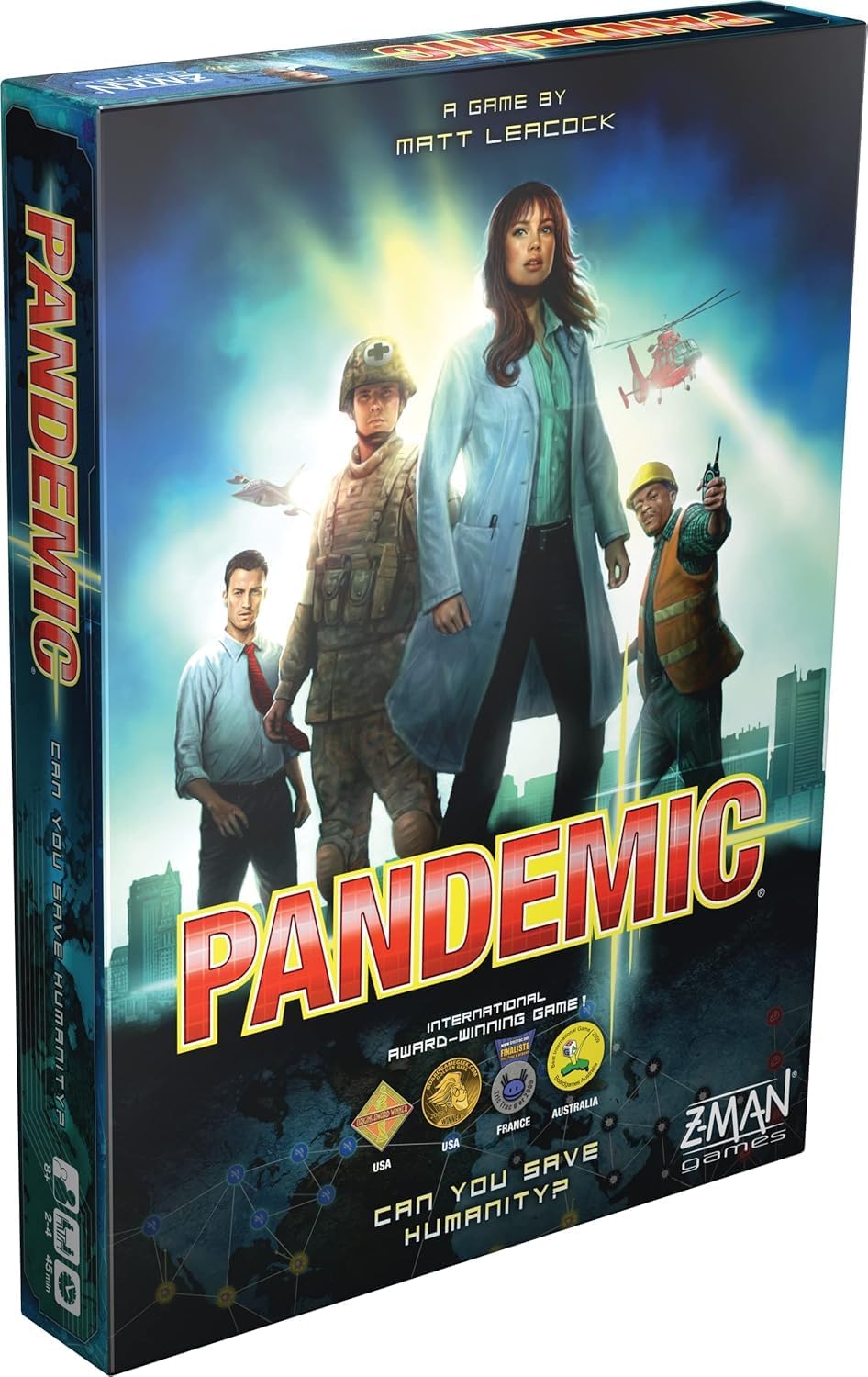
Cooperative classic. Save the world together. The game that converts non-gamers.…
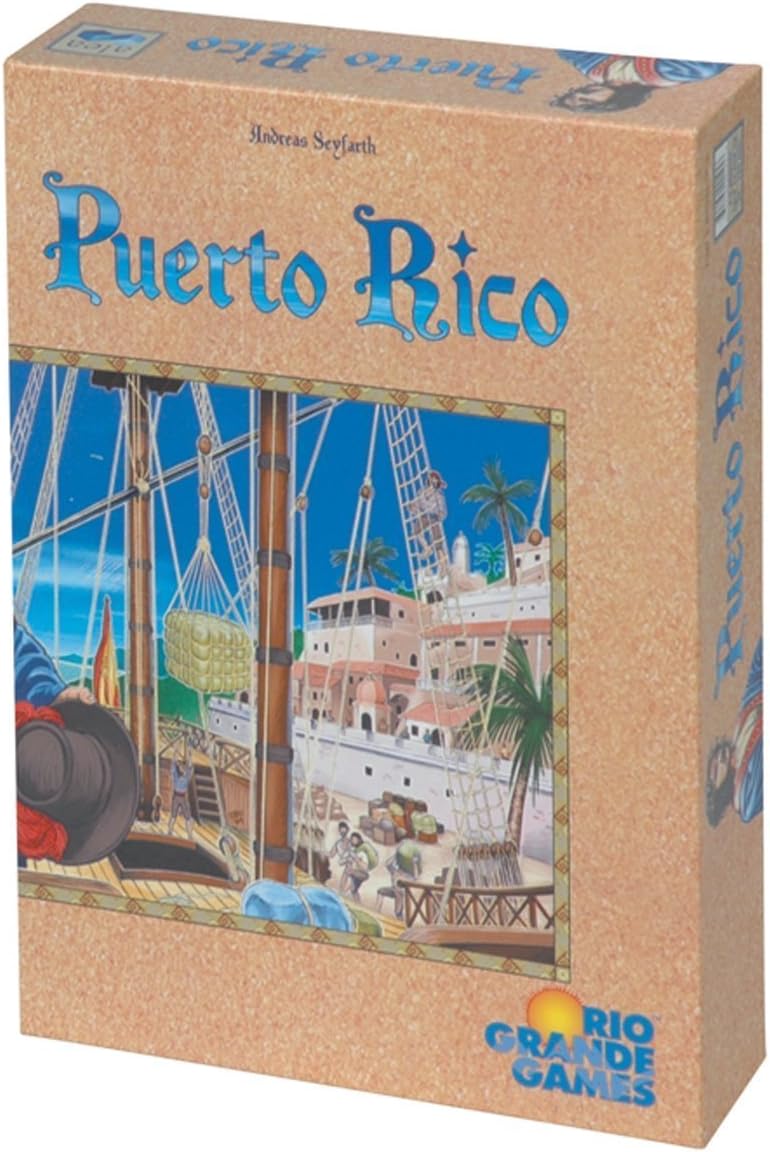
Train routes across America. Five minutes to learn, plays for years.…