Head-to-head comparison
Dixit vs Just One
Both are creative party games. Dixit is longer with more table presence; Just One is quicker and simpler.
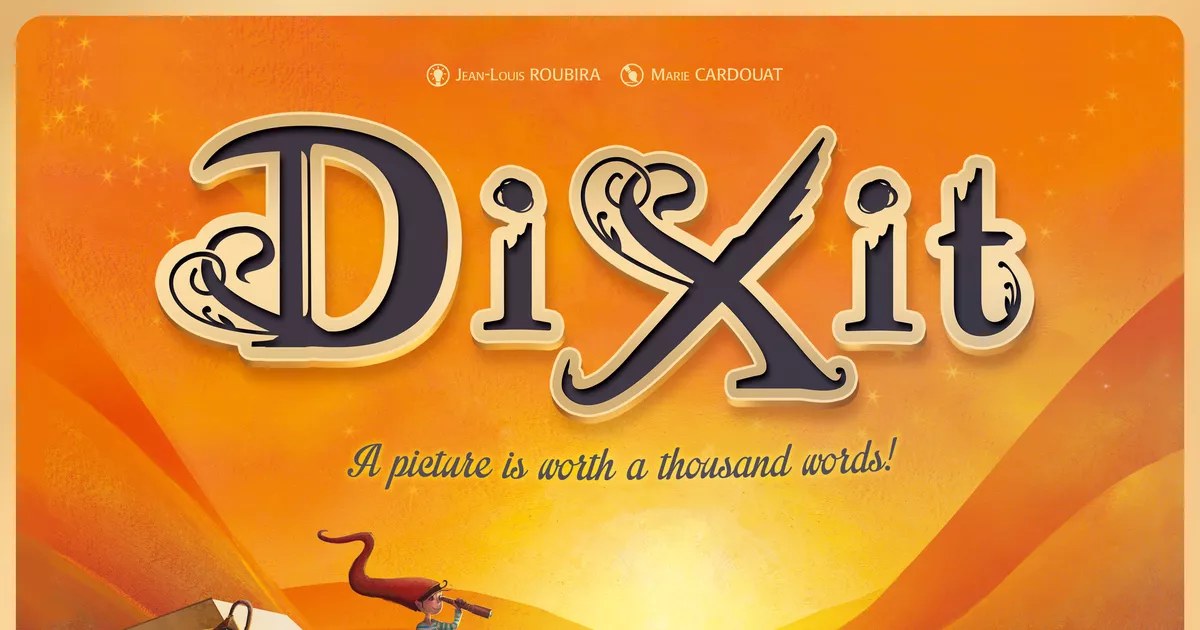 Light weight
Dixit
Light weight
Dixit
$35
Surreal-art storytelling game. Cross-generational. Hits in mixed groups.
Buy Dixit · $35 → Light weight
Just One
Light weight
Just One
$25
Cooperative party game. Give one-word clues. Sets up in 30 seconds.
Buy Just One · $25 →Pick Dixit if
You want artistic, imagination-based gameplay with gorgeous illustrated cards, Dixit rewards people who think in metaphors.
Pick Just One if
You want a faster, simpler cooperative word game with no artwork required, Just One works with any group instantly.
The tradeoff.
Dixit
Dixit is a deduction game built around beautifully illustrated cards depicting surreal, dreamlike artwork. One player, the storyteller, selects a card from their hand and gives it a clue, a word, phrase, song title, or sound. Everyone else plays a card from their hand that they think matches that clue, then all cards are shuffled and revealed. Players vote on which card was the storyteller's original, earning points if they guess correctly. The storyteller scores based on how many people they fooled, but only if not everyone or no one voted correctly. It's a simple loop that repeats for several rounds until someone reaches the winning threshold.
What distinguishes Dixit is how it creates genuine moments of laughter and connection across age groups and skill levels. A seven-year-old can play alongside their grandparent without feeling outmatched, because the game rewards creativity and lateral thinking rather than strategy or memorization. The artwork itself is captivating enough to draw players in, and watching someone's face when their deliberately vague clue lands perfectly, or hilariously backfires, creates memories that outlast the game night. It occupies a sweet spot where no one feels foolish, and everyone gets to be clever.
Best for: 5+ Players, Family with Kids, Holiday Gathering
Just One
Just One is a cooperative word-guessing party game where one player tries to identify a mystery word while the others provide one-word clues. Each round, the guesser leaves the table while everyone else sees the target word and writes down a single clue. The guesser returns, reads all clues aloud, and attempts to name the word before time expires. The catch is elegant: any clue word that matches another player's clue gets erased before the guesser sees it, rewarding originality and punishing obvious or duplicate thinking. This mechanic transforms what could be a straightforward guessing game into a surprisingly thoughtful exercise in perspective-taking and lateral thinking.
What sets Just One apart from similar party games is how it generates genuinely interesting moments at the table. Rather than rewarding quick reflexes or trivia knowledge, it creates situations where players debate whether a clue is too obvious or distinctive enough to survive potential duplication. The tension isn't frantic, it's contemplative, almost meditative. Players watch the guesser's face as clues appear, hoping their specific word choice will trigger recognition without collision. Families and casual game groups will appreciate that it doesn't require any special knowledge or artistic skill, yet it respects players' intelligence by requiring real strategic thinking about how others will perceive language.
Best for: 5+ Players, Cooperative, Family with Kids
These are editorial picks; publishers cannot pay to appear here. Amazon links fund the site, and if you'd rather buy local, find a store via BoardGameGeek.
Also worth considering.
Games that share contexts with both Dixit and Just One.
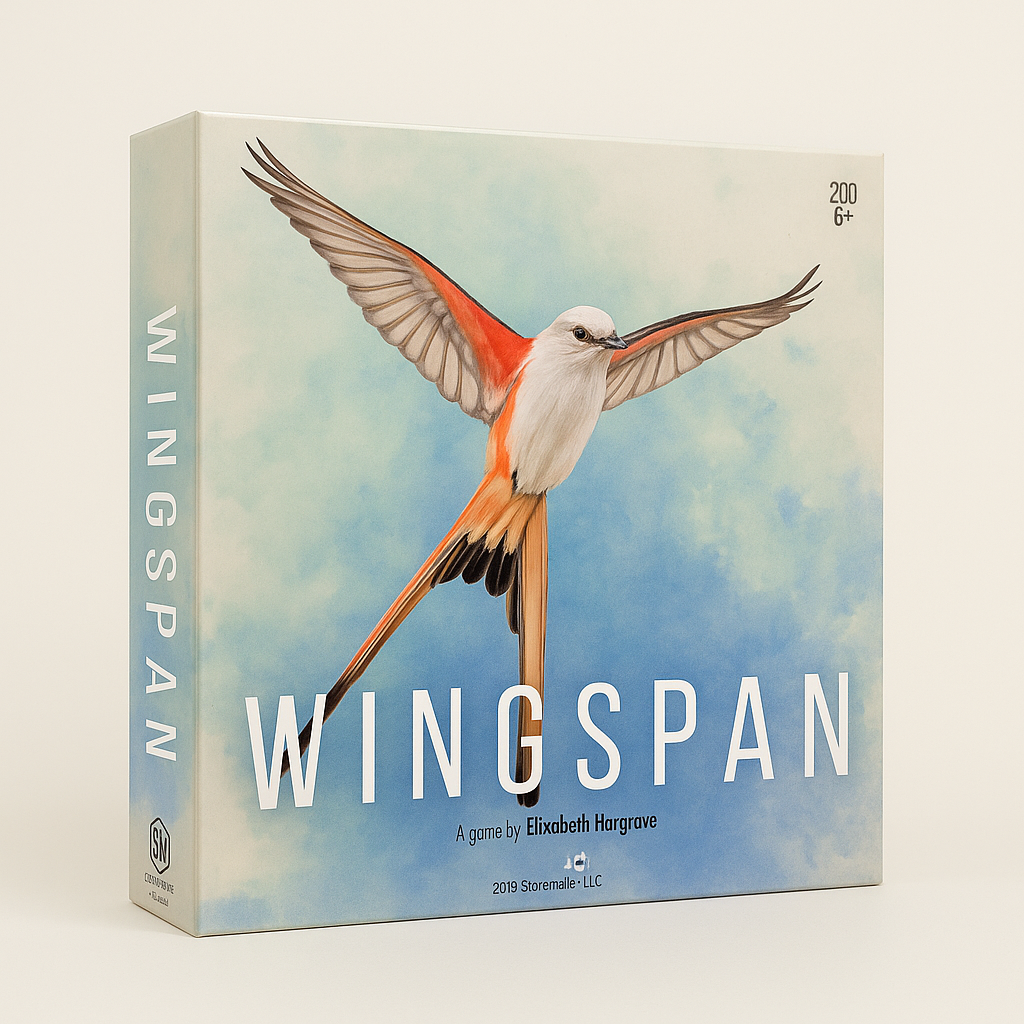
Birds, engine-building, exquisite art. Plays light enough for casual nights, deep enough for repeat play.…
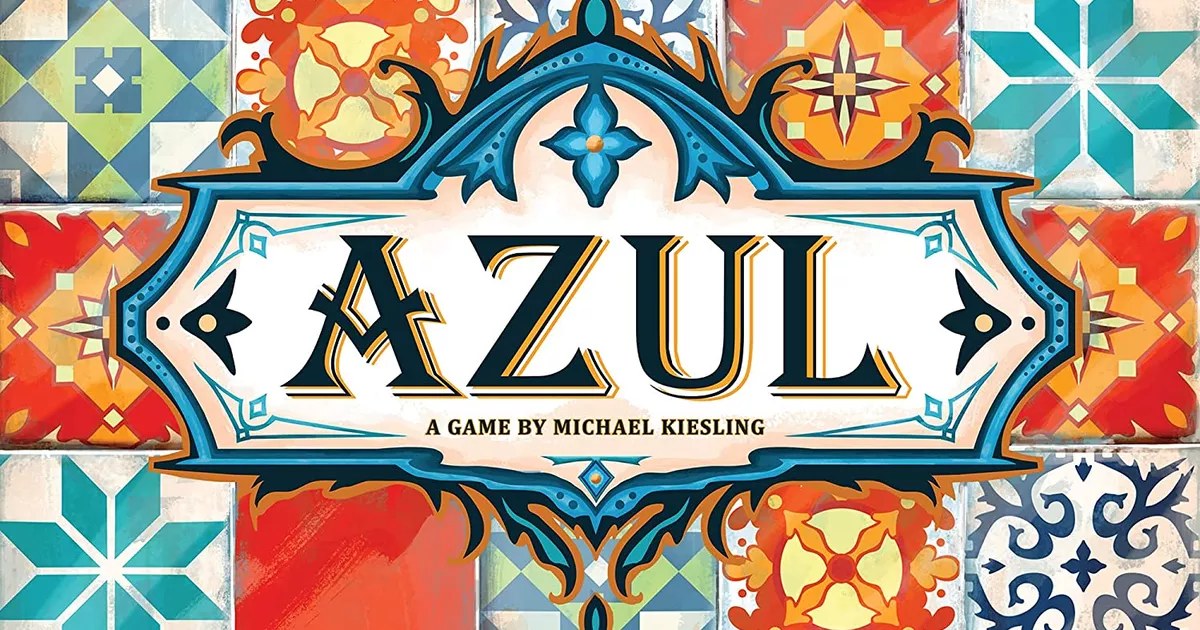
Pattern-laying tile game. Looks beautiful on the table. Teaches in five minutes.…
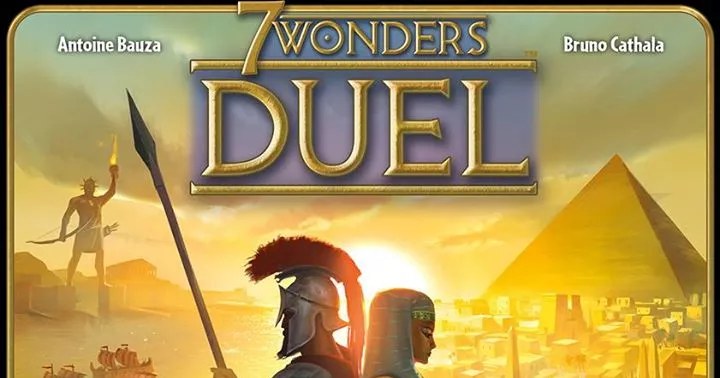
The two-player version that's actually better than the original. Tense, every choice matters.…
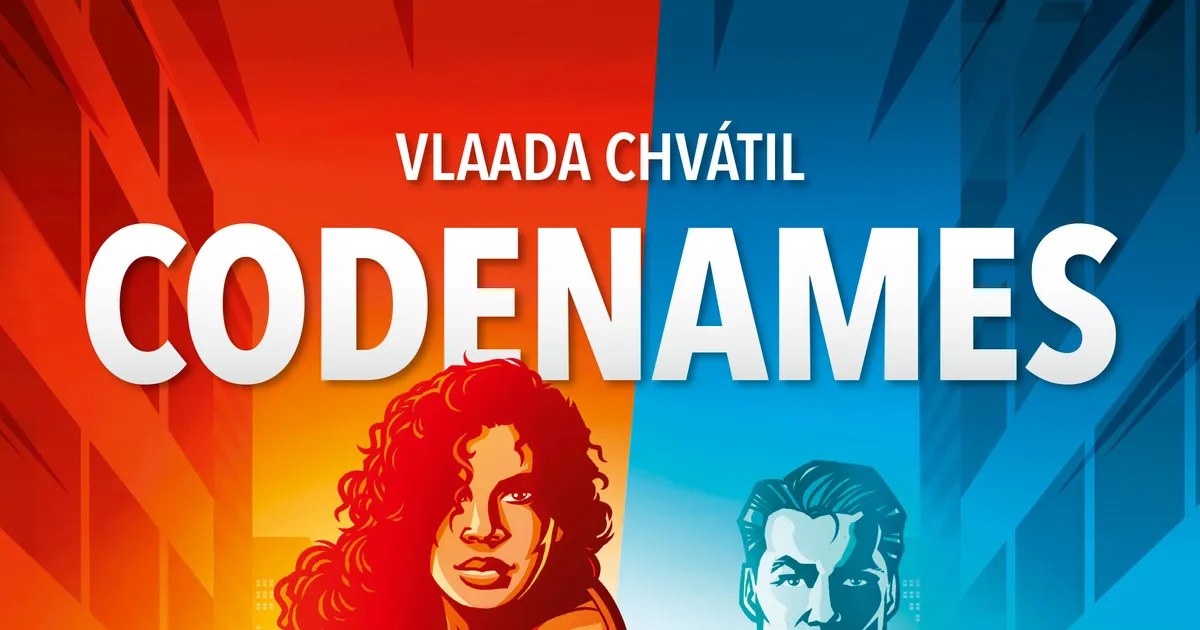
Word-association party game. Plays with grandparents, college kids, anyone in between.…