Head-to-head comparison
Flip 7 vs Skull
Flip 7 is luck and nerve for a big crowd; Skull is nerve alone for a small one. Both are the kind of cheap, quick game that comes out every night of a holiday week.
 Light weight
Flip 7
Light weight
Flip 7
$15
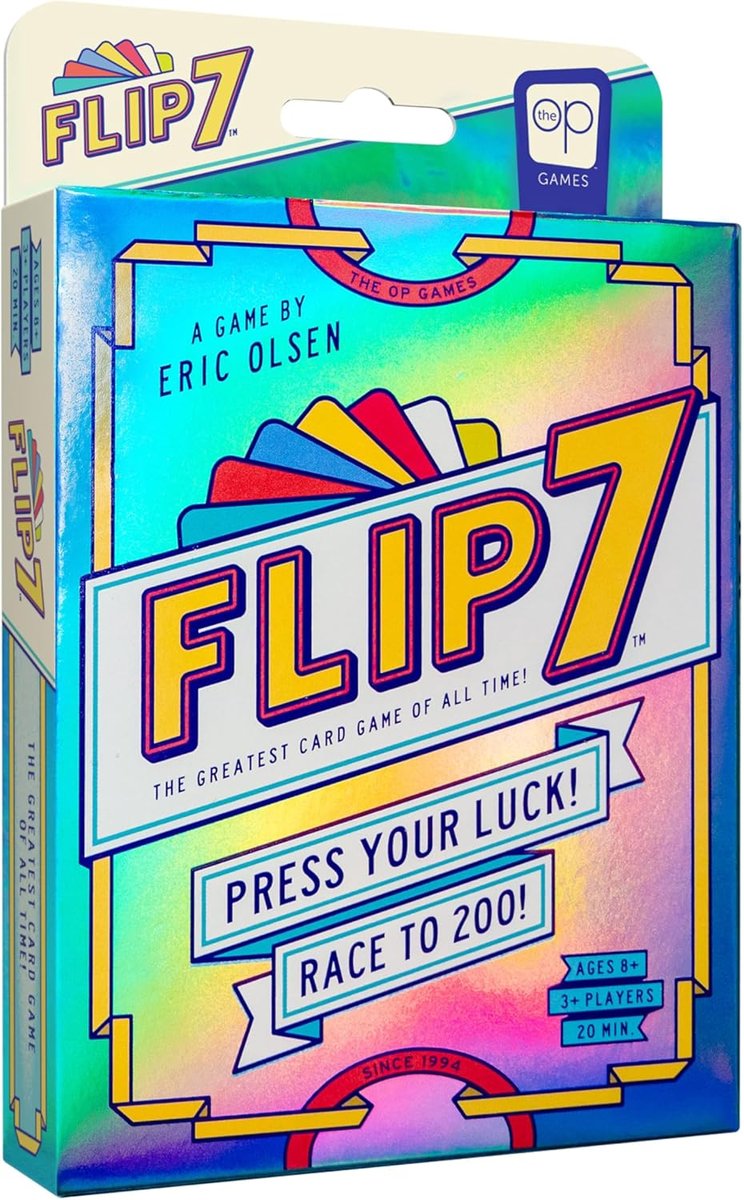
Pure push-your-luck: flip cards, dodge duplicates, chase the seven-card jackpot. Seats 3 to 18.
Buy Flip 7 · $15 →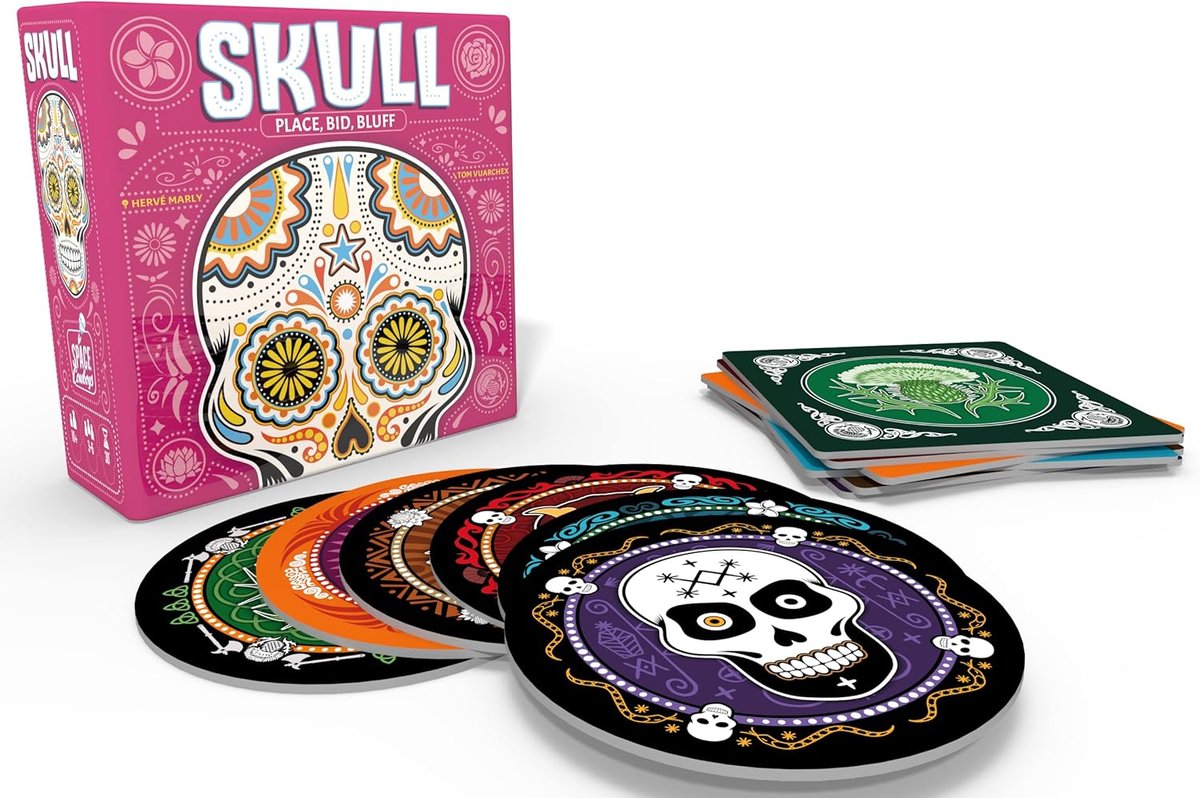 Light weight
Skull
Light weight
Skull
$16.79
Four discs, one skull each, pure nerve. The cheapest way to find out who at your table lies best.
Buy Skull · $16.79 →Pick Flip 7 if
You want a game that seats almost any number. Flip 7 goes from three to eighteen players, each round is push-your-luck card flipping, and it costs $15.
Pick Skull if
You want bluffing. Skull is four discs per player, one of them a skull, and the whole game is reading who at the table is lying. Three to six players, $20.
The tradeoff.
Flip 7
Flip 7 is push-your-luck with everything else sanded off. The dealer flips you cards one at a time from a shared deck of numbers, and the deck's structure is the whole game: there are twelve 12s, eleven 11s, and so on down the line. Your flipped cards score their face value, but flip a number you already have in front of you and you bust, scoring nothing for the round. Before each flip you can stay and bank your total instead. Land seven unique number cards and you hit the jackpot: a 15-point bonus and the round ends on the spot, which is where the game gets its name. Action cards spice the math: Freeze forces a player to bank immediately, Flip Three forces three straight flips, and Second Chance forgives one duplicate. Score modifier cards pad big rounds, and the first player to 200 points wins.
That is the entire rulebook, and it is enough. The genius is that the deck composition makes every decision legible: holding an 11 and a 12 means the two most common cards in the deck are now poison, and everyone at the table knows it, so the groans and cheers arrive right on schedule. It was the top seller at game stores in 2025 for a reason: it seats 3 to 18 players, teaches in one minute, and plays in about 20. It is also, to be clear, almost pure luck management. There are no comebacks you engineer, only odds you ride, and strategy-first players will be bored within three rounds. As a party opener, a family filler, or the game that comes out when the group hits double digits, it has no current rival. At around 15 dollars, every shelf should hold a copy.
Best for: 5+ Players, Family with Kids, Holiday Gathering
Skull
Skull gives each player four discs: three flowers and one skull. Everyone secretly stacks one disc in front of them, and on your turn you either add another disc to your stack or start a challenge by naming a number: how many discs you claim you can flip without revealing a skull. Other players can raise the bid or pass. The high bidder flips discs, starting with their own entire stack, then choosing whose piles to reveal from the top down. Flip only flowers and you win the challenge; win two challenges and you win the game. Flip a skull and you lose one of your own discs, shrinking both your hand and your credibility. That is essentially the whole rulebook, teachable in two minutes flat.
What makes Skull remarkable is how much game lives in so little material. There is no luck to blame: no dice, no hidden draw, just psychology and nerve. Every disc placement is a statement, every raised bid is a dare, and because the challenger must flip their own stack first, you cannot bluff aggressively without eventually eating your own lies. It works loudly at parties, where bids become theater, and quietly on an airplane tray table, where it becomes a staring contest. Games fit comfortably inside thirty minutes, and the rematch is automatic because the loser always believes they were one read away.
Best for: College Dorm, Long Flight, 5+ Players
These are editorial picks; publishers cannot pay to appear here. Amazon links fund the site, and if you'd rather buy local, find a store via BoardGameGeek.
Also worth considering.
Games that share contexts with both Flip 7 and Skull.
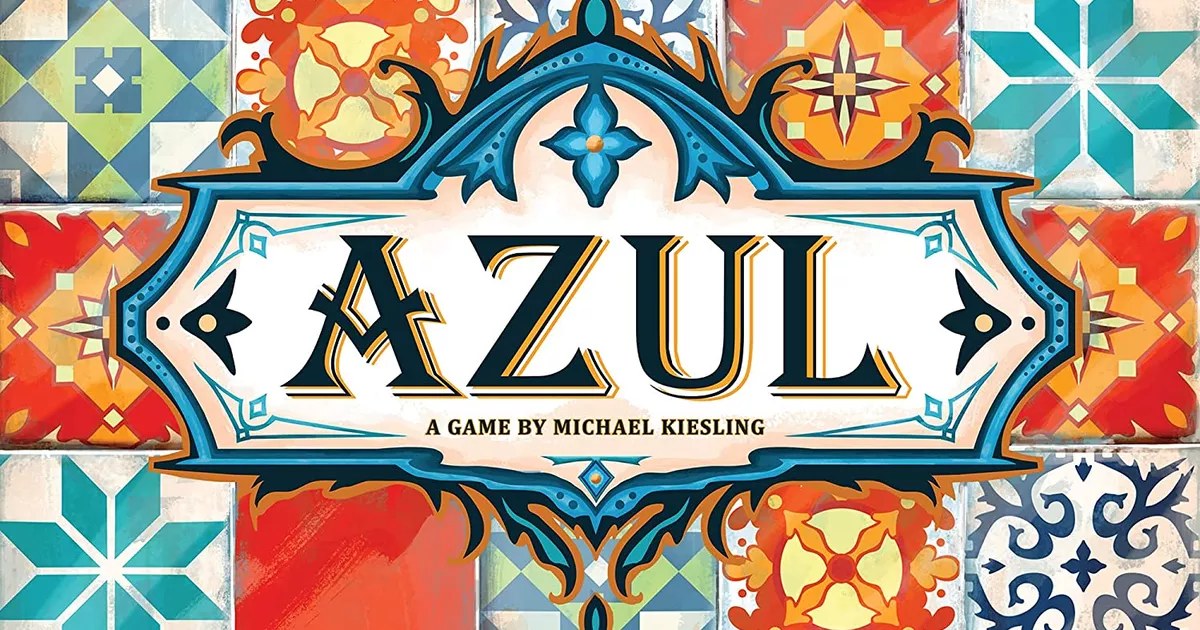
Pattern-laying tile game. Looks beautiful on the table. Teaches in five minutes.…
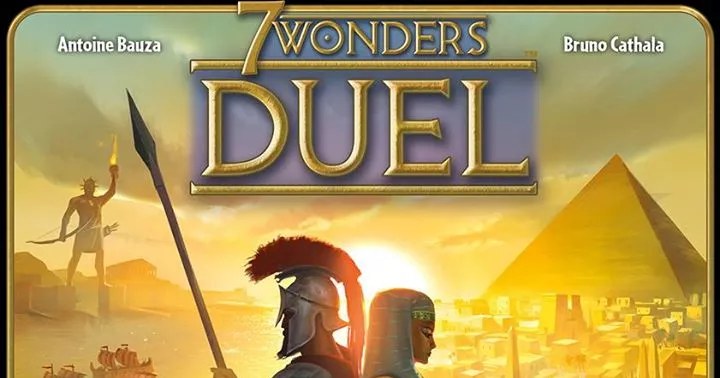
The two-player version that's actually better than the original. Tense, every choice matters.…
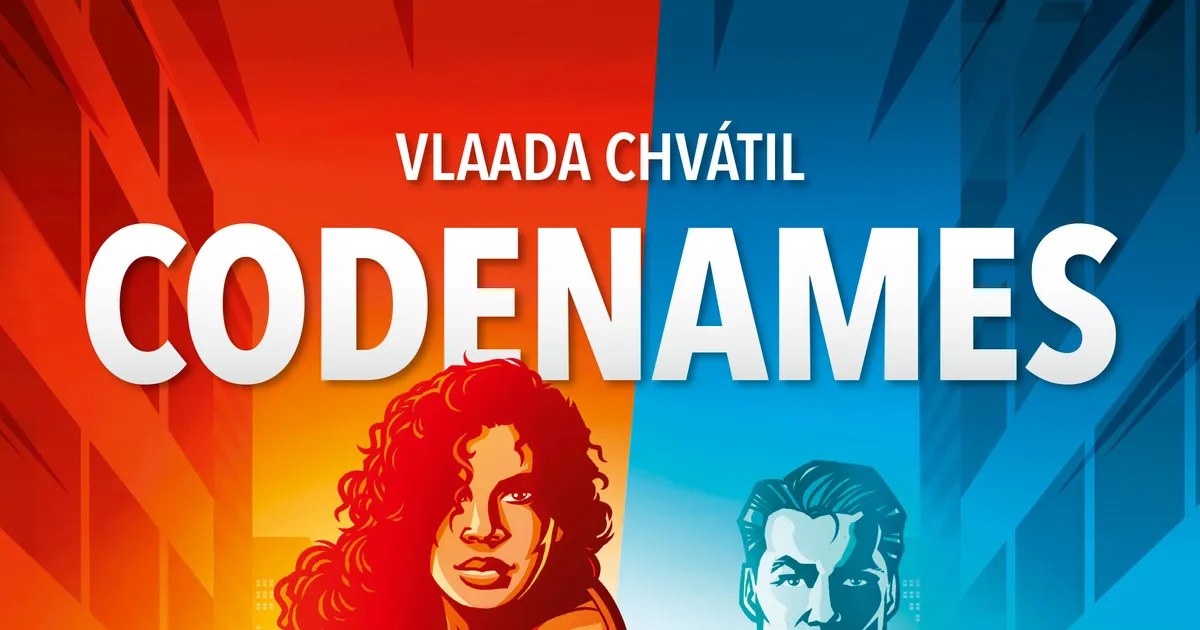
Word-association party game. Plays with grandparents, college kids, anyone in between.…
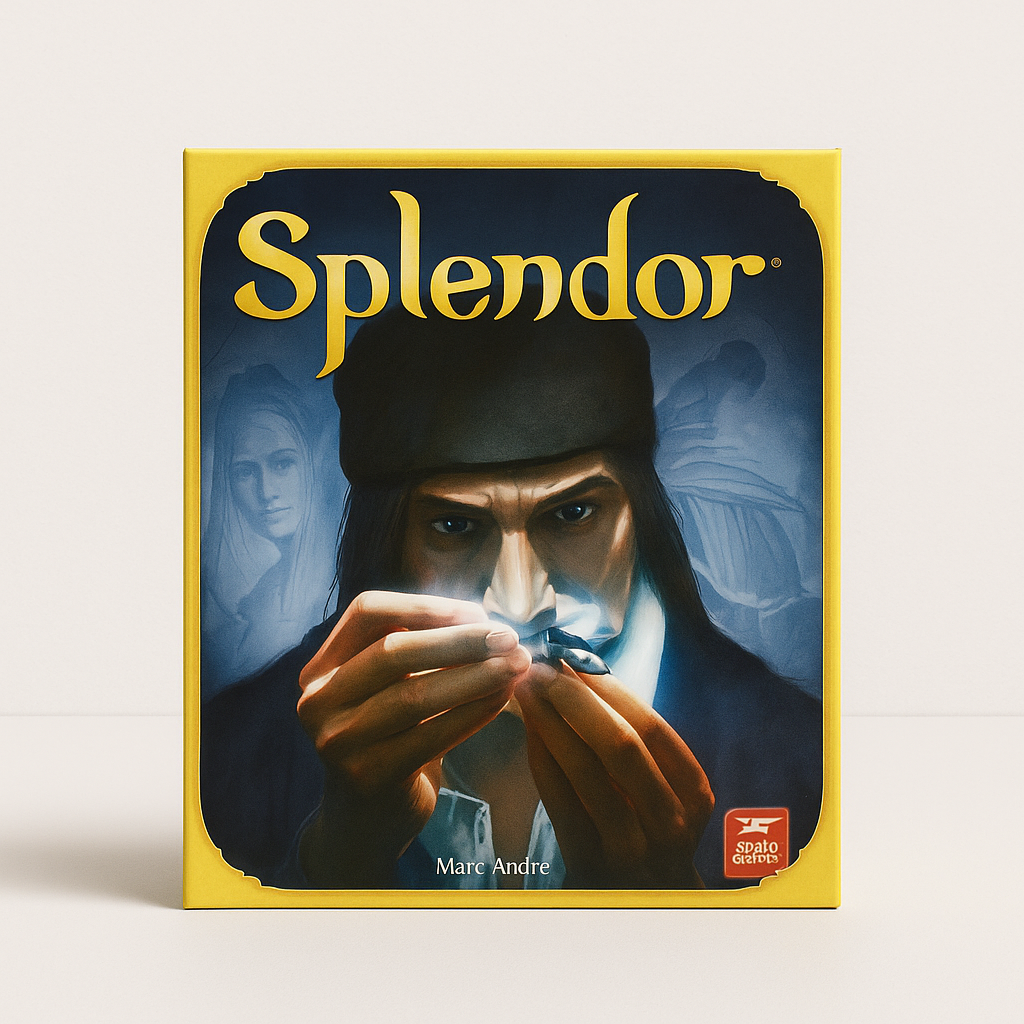
Gem-trading engine builder. Plays in 30 minutes, scales clean from 2 to 4.…