Head-to-head comparison
Jaipur vs Lost Cities
The two standard two-player card games. Jaipur is faster and more interactive; Lost Cities is calmer and more about nerve. Jaipur first for most couples.
 Light weight
Jaipur
Light weight
Jaipur
$26.58
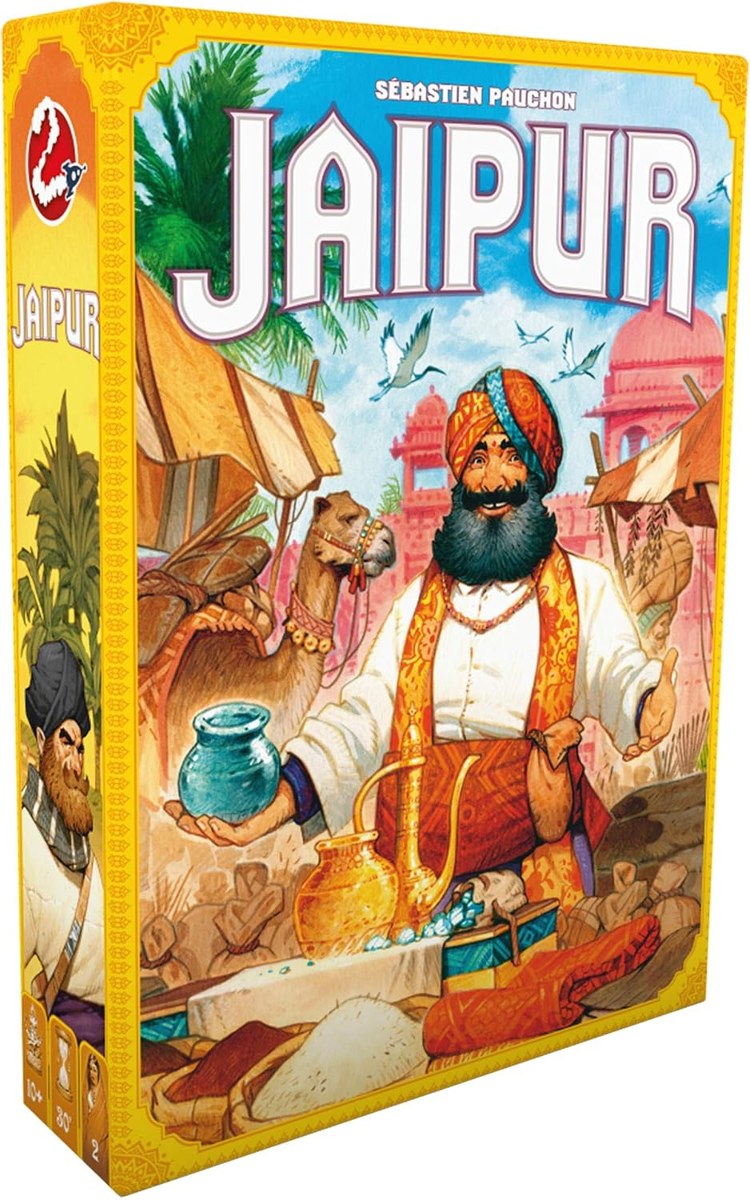
The best two-player trading game. Sell goods, grab camels, and time your sets. Thirty minutes, endless replay.
Buy Jaipur · $26.58 →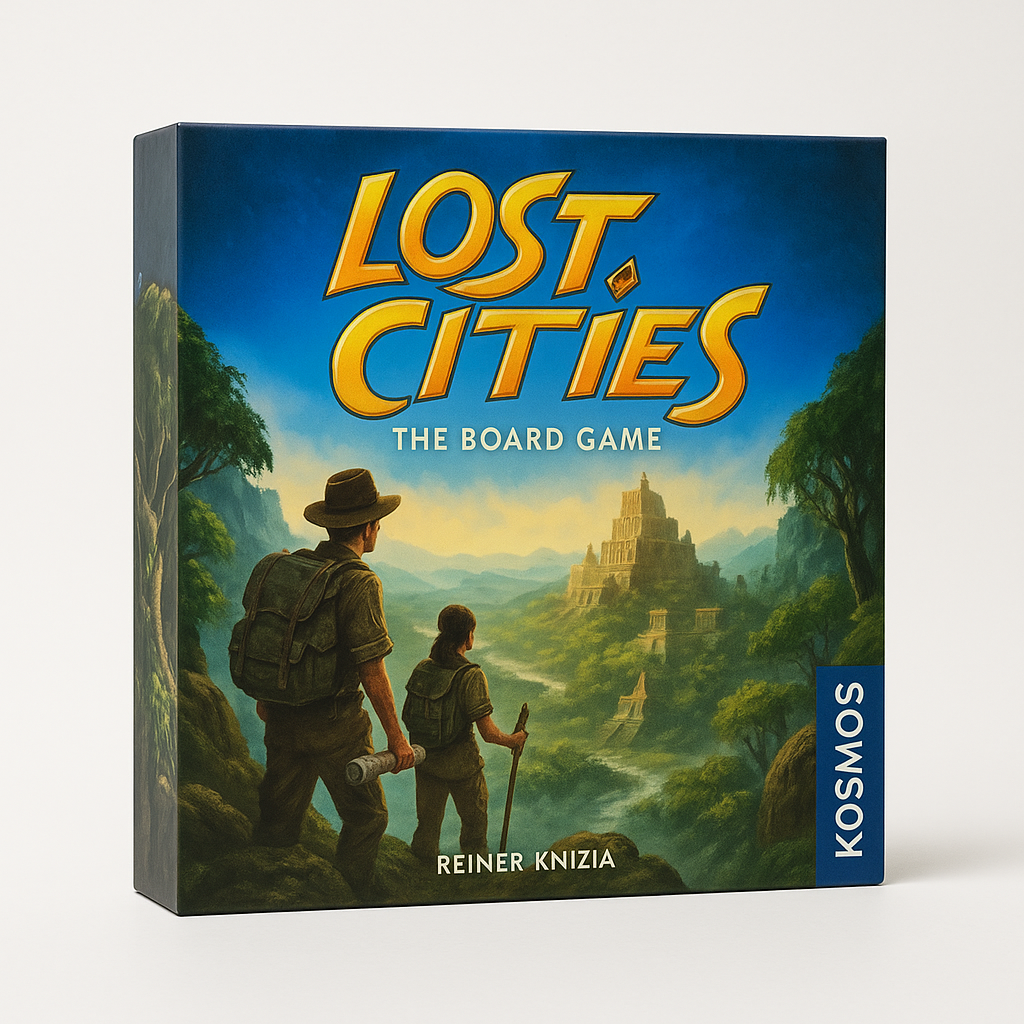 Light weight
Lost Cities
Light weight
Lost Cities
$19.95
Two-player card game by Reiner Knizia. Travels well. Plays clean.
Buy Lost Cities · $19.95 →Pick Jaipur if
You want interaction: reading which goods your opponent collects and racing to the valuable tokens first.
Pick Lost Cities if
You want a quieter push-your-luck duel where you mostly manage your own expeditions and the tension is in when to start one.
The tradeoff.
Jaipur
Jaipur is a two-player card game about trading goods in a market, and it has been the standard recommendation for couples for over a decade. A row of five cards sits between you. On your turn you either take cards into your hand, one goods card, or all the camels, or swap several of your cards for several market cards, or you sell a set of goods for tokens. The tokens for each good decline in value as they are taken, so selling early is worth more, but selling in bigger sets earns bonus tokens, so waiting pays too. Best of three rounds wins.
The camels are the clever part. They do not count toward your hand limit and they are the currency for swapping multiple cards, but taking them all also refreshes the market with new cards your opponent gets first pick of. Every action has a cost in tempo, and the game is entirely about reading which goods your opponent is collecting and getting to the valuable tokens first. There is no direct attack and almost no downtime.
Best for: Two Players, Date Night, Long Flight
Lost Cities
Lost Cities is a streamlined two-player card game where you and your opponent lead competing expeditions across five different ancient locations. Each turn, you either play a card to advance one of your expeditions or discard a card to block your opponent's progress. The tableau builds horizontally as you accumulate numbered cards in ascending order, with investment tokens multiplying your final score. It's elegant in how little needs explaining: draw a card, play or discard, repeat until the deck empties. The tension emerges from deciding whether to push forward on a risky expedition or sabotage your opponent's most promising venture.
What sets Lost Cities apart is how the discard pile becomes a strategic weapon rather than mere cleanup. Playing cautiously guarantees modest points, but the real drama unfolds when both players commit heavily to the same expedition, turning it into a tug-of-war over who invested at the right moment. The game rewards reading your opponent without punishing loss streaks harshly. Unlike some light two-player games that feel like solo puzzles, this one generates genuine back-and-forth friction. The decisions matter without becoming burdensome, and games rarely feel foregone by the midpoint.
Best for: Two Players, Date Night, Long Flight
These are editorial picks; publishers cannot pay to appear here. Amazon links fund the site, and if you'd rather buy local, find a store via BoardGameGeek.
Also worth considering.
Games that share contexts with both Jaipur and Lost Cities.
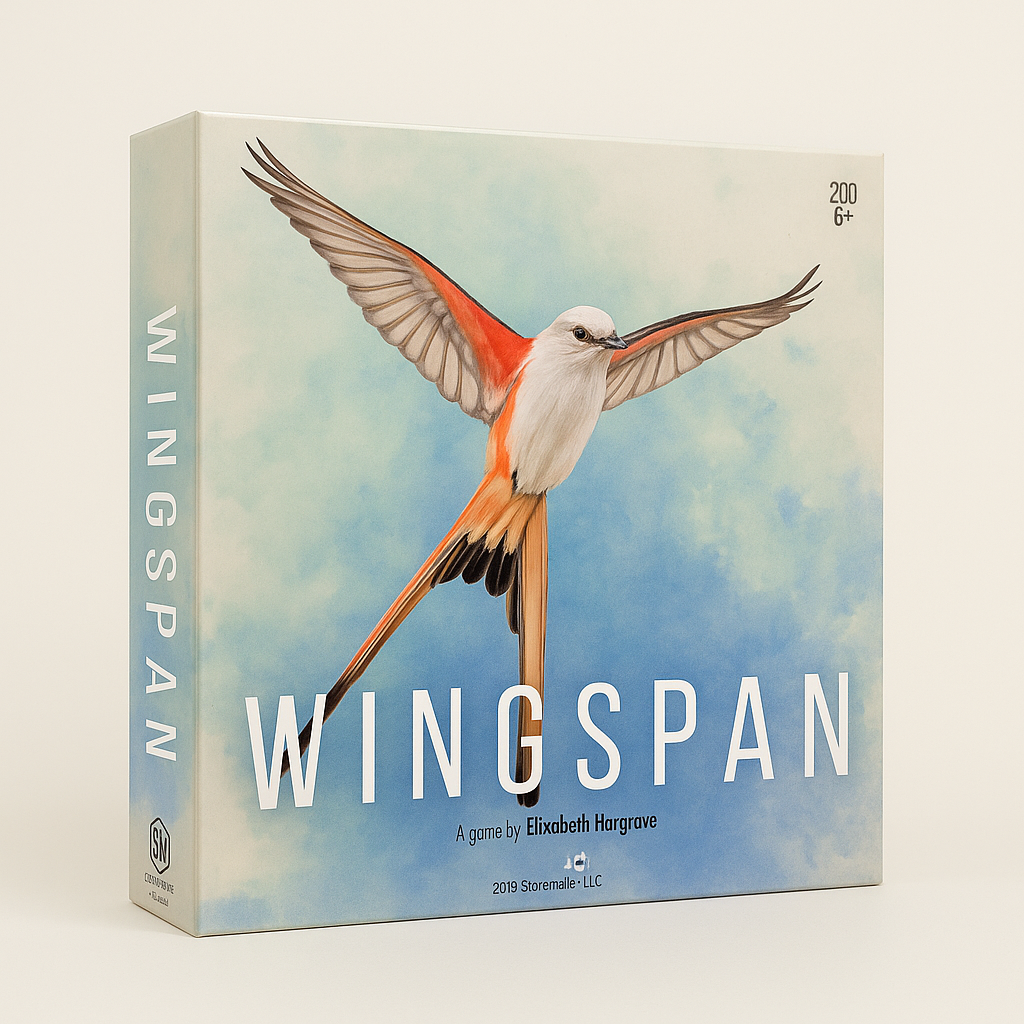
Birds, engine-building, exquisite art. Plays light enough for casual nights, deep enough for repeat play.…
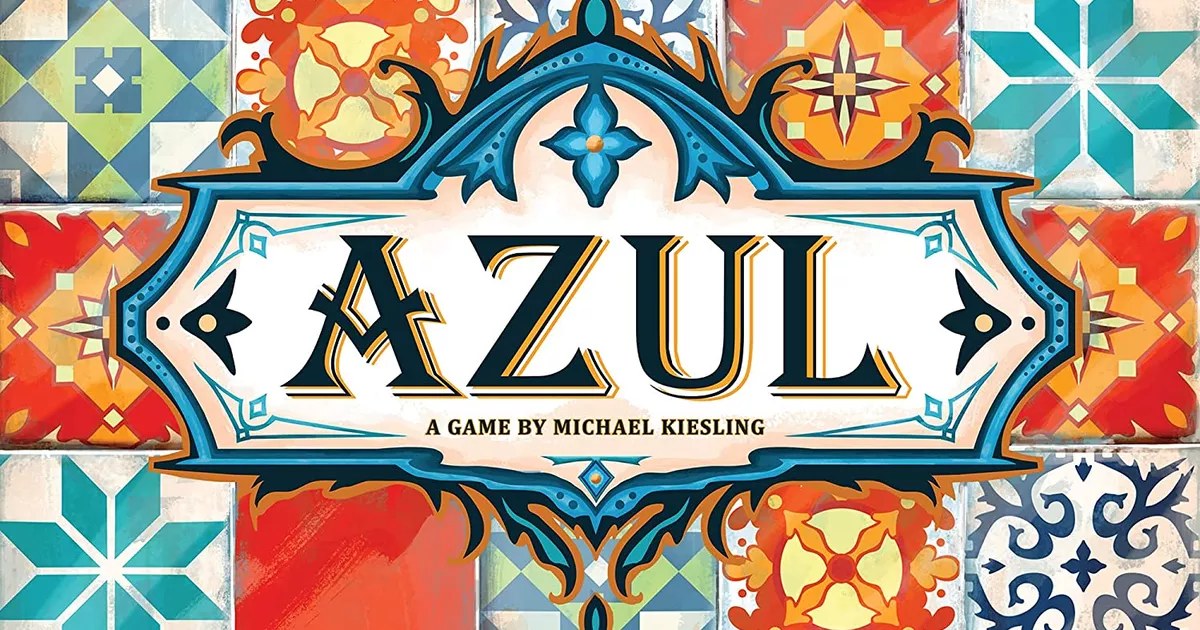
Pattern-laying tile game. Looks beautiful on the table. Teaches in five minutes.…
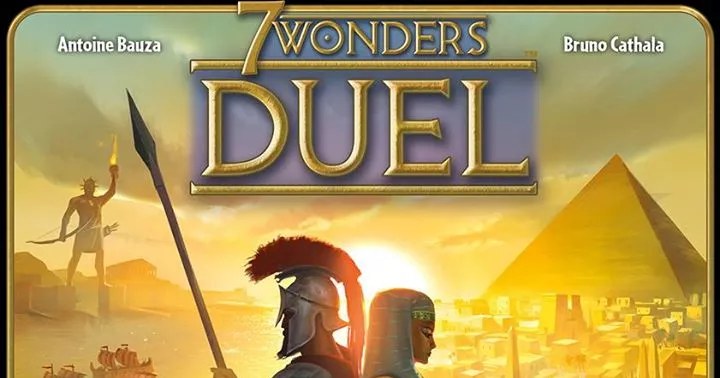
The two-player version that's actually better than the original. Tense, every choice matters.…

Word-association party game. Plays with grandparents, college kids, anyone in between.…