Head-to-head comparison
King of Tokyo vs Camel Up
Both are thirty-minute family dice games. King of Tokyo has elimination and conflict; Camel Up has neither. Pick King of Tokyo for kids who like to fight and Camel Up for tables that would rather cheer.
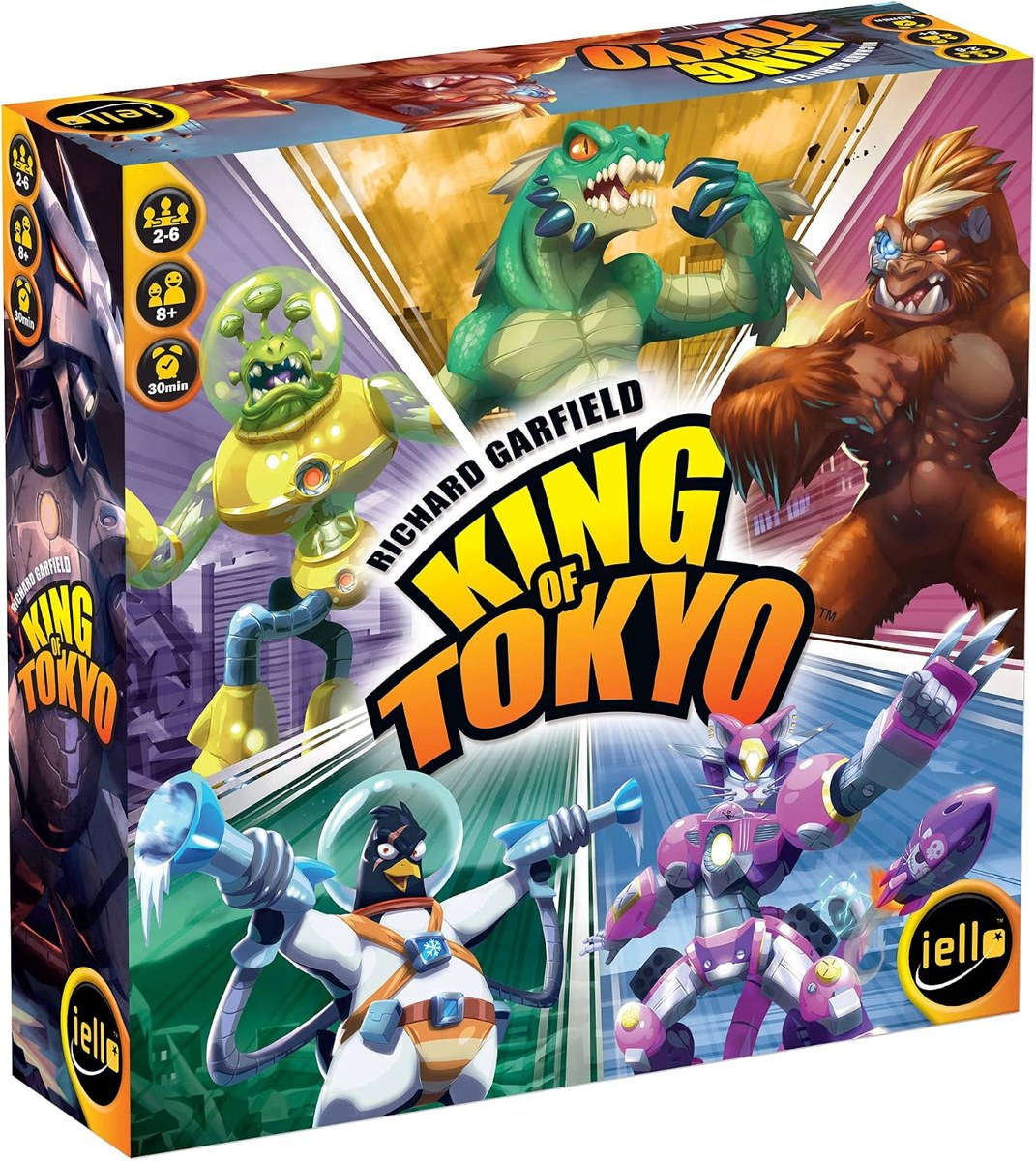 Light weight
King of Tokyo
Light weight
King of Tokyo
$44.99
Giant monsters roll dice and punch each other for a city. Loud, quick, and perfect for kids and parties.
Buy King of Tokyo · $44.99 →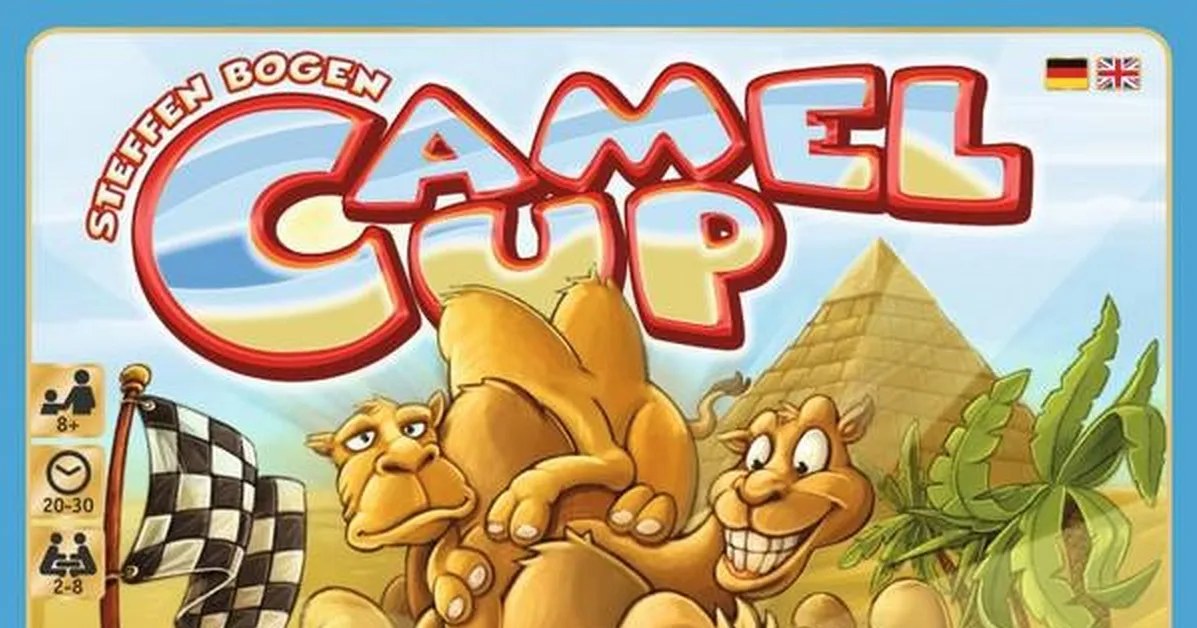 Light weight
Camel Up
Light weight
Camel Up
$41.98
Bet on racing camels. Riotous, light, plays loud. The party-night pick.
Buy Camel Up · $41.98 →Pick King of Tokyo if
You want monsters, dice, and direct conflict: kids love punching each other's creatures and the power cards keep adults involved.
Pick Camel Up if
You want betting rather than fighting: nobody attacks anyone, the pyramid produces cheers, and the whole table is invested in every roll.
The tradeoff.
King of Tokyo
King of Tokyo is a dice game about giant monsters fighting over a city, and it delivers exactly the amount of chaos that description promises. Each turn you roll six chunky dice up to three times, Yahtzee style, keeping what you like: claws deal damage, hearts heal, energy buys power cards, and matching numbers score points. Whoever is standing in Tokyo takes damage from everyone outside and deals damage to everyone inside, but cannot heal, so the central decision each turn is whether to hold the city for points or bail out before you get flattened. First to twenty points or the last monster standing wins.
The power cards are where the personality comes from: extra heads, spiked tails, alien metabolisms, and a few outright unfair abilities that turn the game on its head. They add just enough strategy that adults stay engaged while the dice keep the game accessible to a seven-year-old. Player elimination exists, but games are short enough that being knocked out means waiting five minutes for the next round, not an hour.
Best for: Family with Kids, Holiday Gathering, College Dorm
Camel Up
Camel Up asks players to bet on which colored camel will win a race around a pyramid track. Each turn, you either place a money token on a camel to predict its finishing position, or you pay to roll a die that moves one of the five camels forward. The brilliant twist is that camels can stack on top of each other, and when a lower camel moves, it carries any camels stacked above it along for the ride. This creates a constant flux of fortunes, the camel you thought was winning suddenly gets buried under two others and plummets backward. Players earn money by correctly predicting outcomes, and whoever has the most cash when a camel crosses the finish line wins.
What separates Camel Up from other light betting games is the physical comedy baked into its core mechanic. Watching the camel pyramid shift and collapse generates genuine surprise and laughter, because the game state remains visually legible even as it becomes chaotic. Players can actually see why their prediction failed rather than feeling victimized by invisible probability. The Egyptian aesthetic and the absurdist humor, you're literally betting on stacked camels, gives it personality that more generic roll-and-move games lack. It's the rare light game that creates real table moments rather than just passing time.
Best for: 5+ Players, Family with Kids, Holiday Gathering
These are editorial picks; publishers cannot pay to appear here. Amazon links fund the site, and if you'd rather buy local, find a store via BoardGameGeek.
Also worth considering.
Games that share contexts with both King of Tokyo and Camel Up.
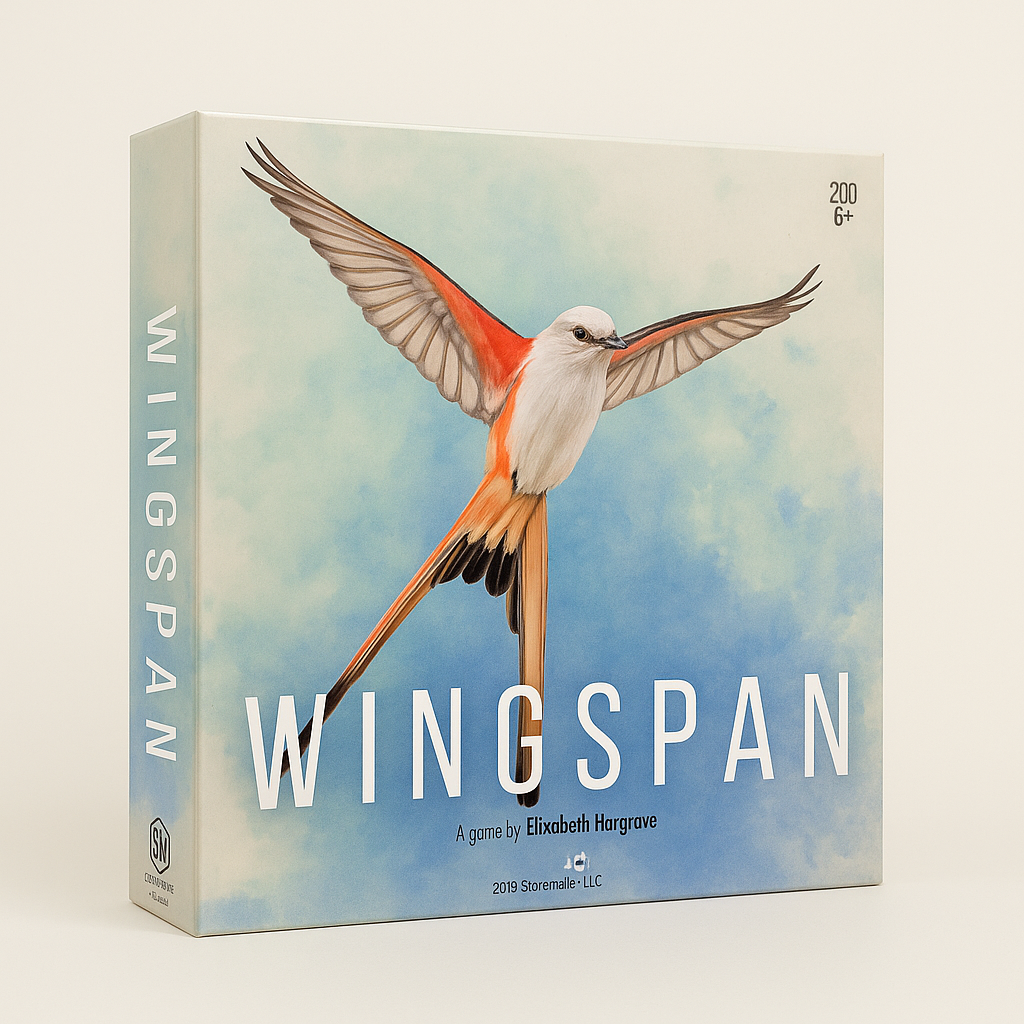
Birds, engine-building, exquisite art. Plays light enough for casual nights, deep enough for repeat play.…
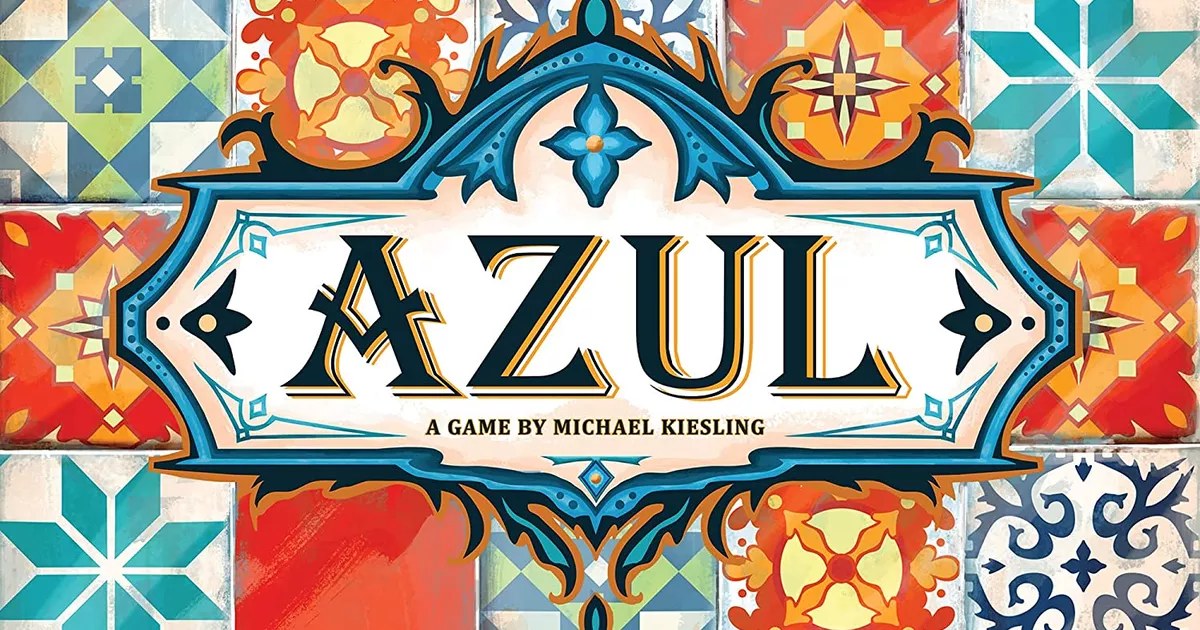
Pattern-laying tile game. Looks beautiful on the table. Teaches in five minutes.…
The two-player version that's actually better than the original. Tense, every choice matters.…
Word-association party game. Plays with grandparents, college kids, anyone in between.…