Head-to-head comparison
Kingdomino vs Carcassonne
Both are tile layers for families. Kingdomino is faster and friendlier; Carcassonne is longer and more competitive. Under-tens and impatient adults, Kingdomino. A table that likes to plot, Carcassonne.
 Light weight
Kingdomino
Light weight
Kingdomino
$19.99
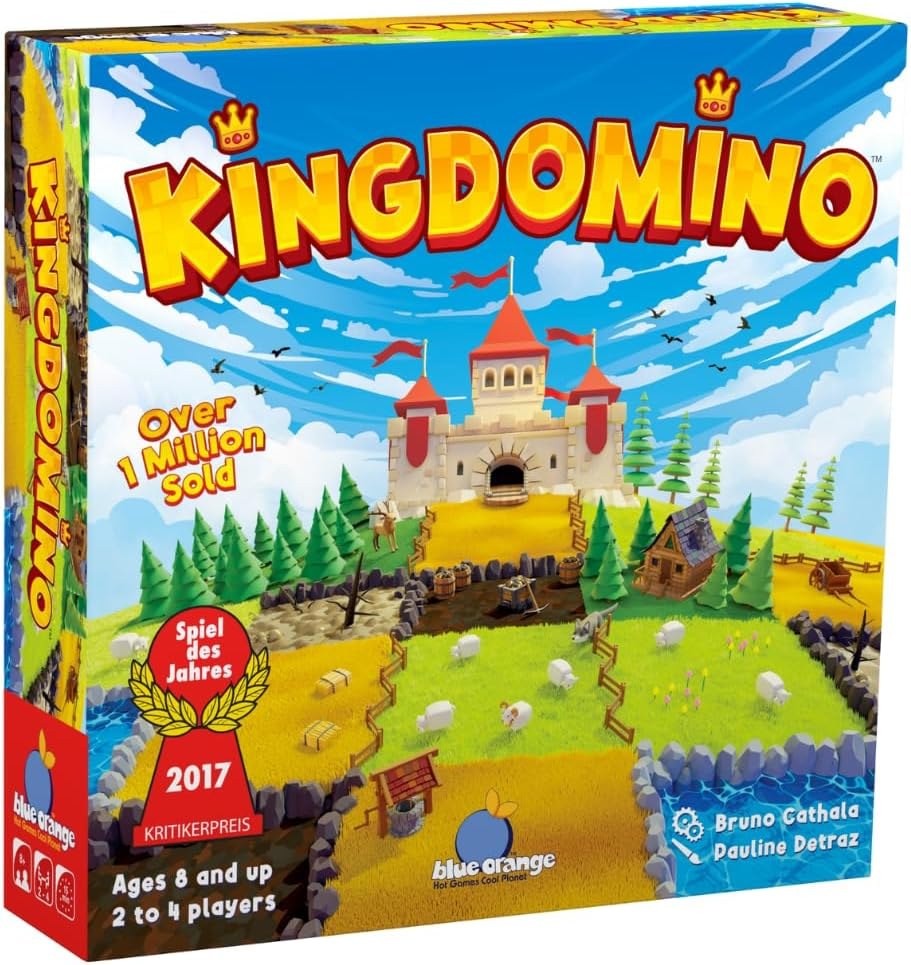
Dominoes as a tiny kingdom-building puzzle. Fifteen minutes, any age, and it won a Spiel des Jahres for a reason.
Buy Kingdomino · $19.99 →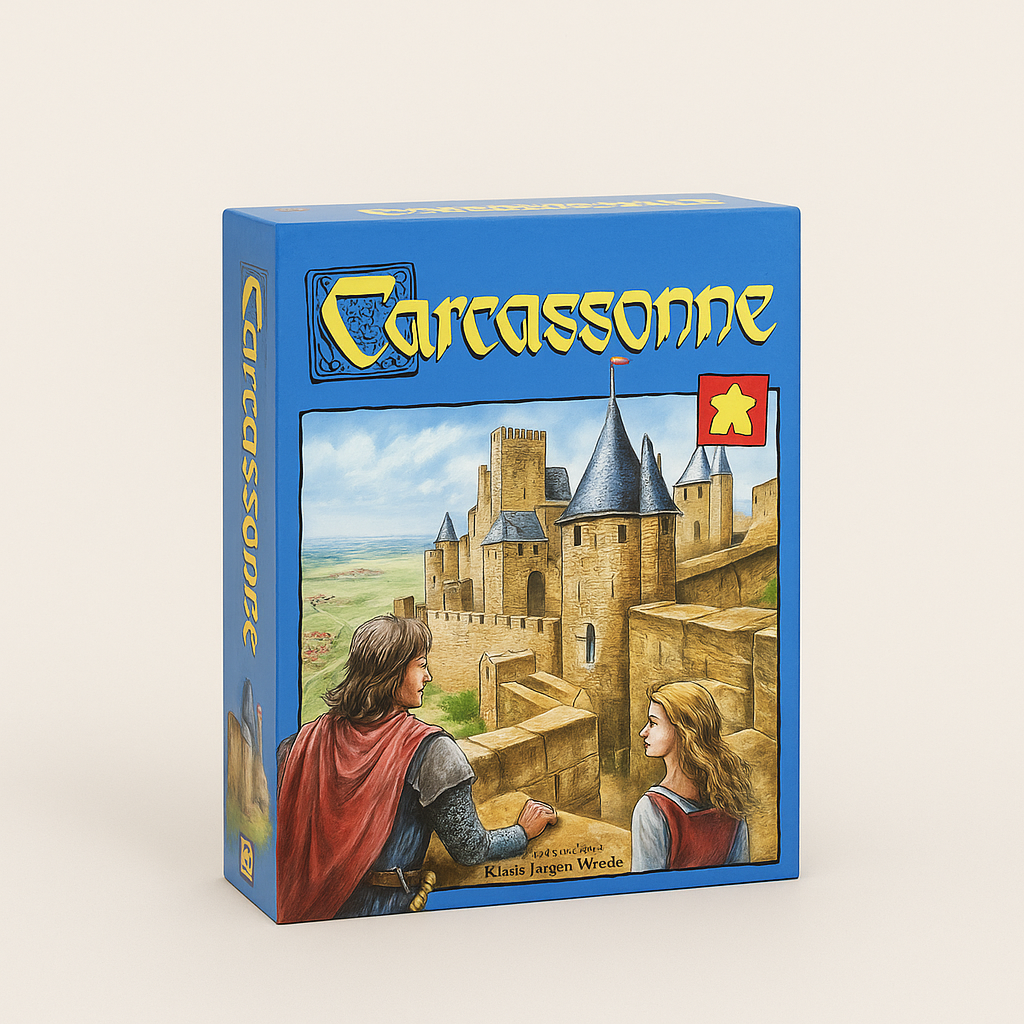 medium weight
Carcassonne
medium weight
Carcassonne
$31.99
Tile-placement game where you build a medieval landscape to score points.
Buy Carcassonne · $31.99 →Pick Kingdomino if
You want the fifteen-minute version: a five-by-five grid, multiplication scoring a child can do, and a box that costs less than lunch.
Pick Carcassonne if
You want the classic: a shared map, more tactical blocking, sixty minutes at four players, and a mountain of expansions if the family falls in love.
The tradeoff.
Kingdomino
Kingdomino takes the dominoes everyone already understands and turns them into a fifteen-minute kingdom builder. Each tile is two squares of terrain (wheat, forest, lake, grassland, swamp, mine), some carrying crowns. Each round a line of four tiles is revealed and players claim them in order of the tile they took last round, so choosing a great tile now means choosing later next time. You add your tile to a five-by-five grid around your castle, matching at least one terrain type to an adjacent square, and at the end each region scores its number of squares multiplied by its crowns.
The cleverness is that the good tiles are usually the ones with crowns, and crowns tend to sit on the tiles everyone wants, so the turn-order mechanism does real work. Do you take the mediocre tile that lets you pick first next round, or the lake with two crowns that sends you to the back of the line? Kids grasp the multiplication scoring by their second game and adults find enough to think about, which is the balance a family game rarely hits.
Best for: Family with Kids, 30 Minutes or Less, Board Games for Beginners
Carcassonne
Carcassonne is a tile-placement game where players take turns drawing and positioning square tiles to collaboratively build a medieval landscape of cities, roads, monasteries, and fields. On each turn, you draw a tile, place it adjacent to existing ones, then optionally deploy a wooden follower onto that tile to claim a feature. Once a city is completed or a road finished, you score points and reclaim your follower. The elegance lies in its simplicity: every turn follows the same pattern, yet tactical decisions about placement and follower deployment create genuine tension between short-term point grabs and long-term positioning.
What distinguishes Carcassonne is how it generates interaction through passive competition rather than direct conflict. You're constantly evaluating whether to extend an opponent's nearly-finished city for points or block their expansion, forcing difficult risk-reward calculations. The landscape itself becomes a shared canvas that tells a story of medieval development, making the experience feel collaborative even though you're competing. Unlike heavier spatial games that demand exhausting calculation, it maintains a relaxed pace while rewarding clever tile interpretation and placement foresight. It simply plays well across its entire player range without feeling diluted.
Best for: Board Games for Beginners
These are editorial picks; publishers cannot pay to appear here. Amazon links fund the site, and if you'd rather buy local, find a store via BoardGameGeek.
Also worth considering.
Games that share contexts with both Kingdomino and Carcassonne.
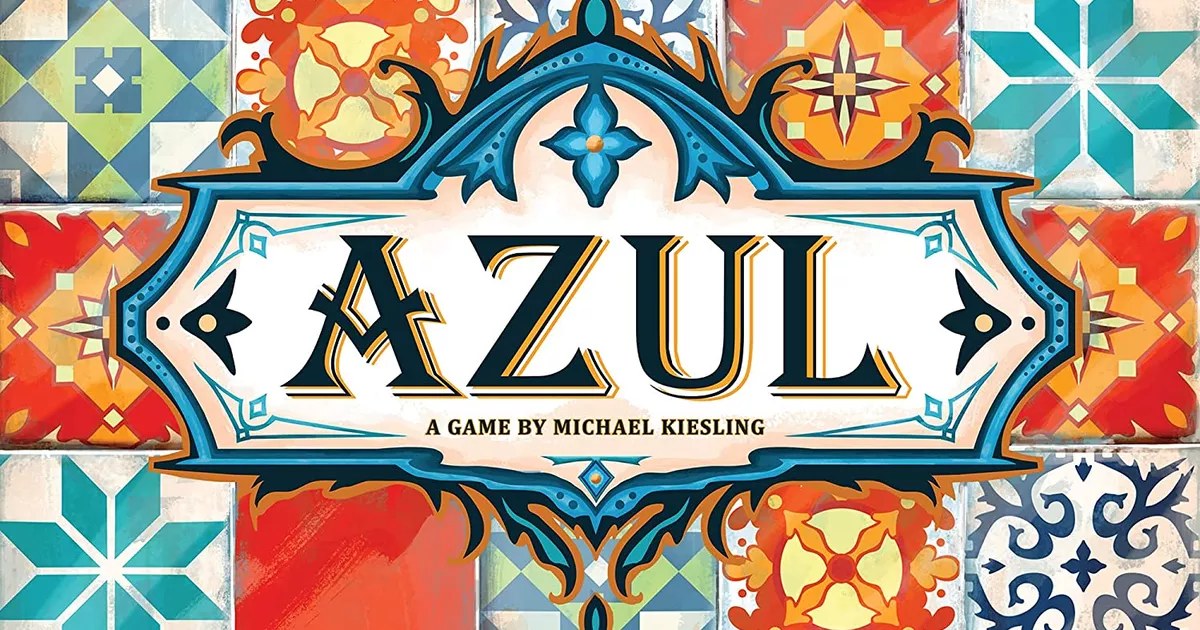
Pattern-laying tile game. Looks beautiful on the table. Teaches in five minutes.…

Word-association party game. Plays with grandparents, college kids, anyone in between.…
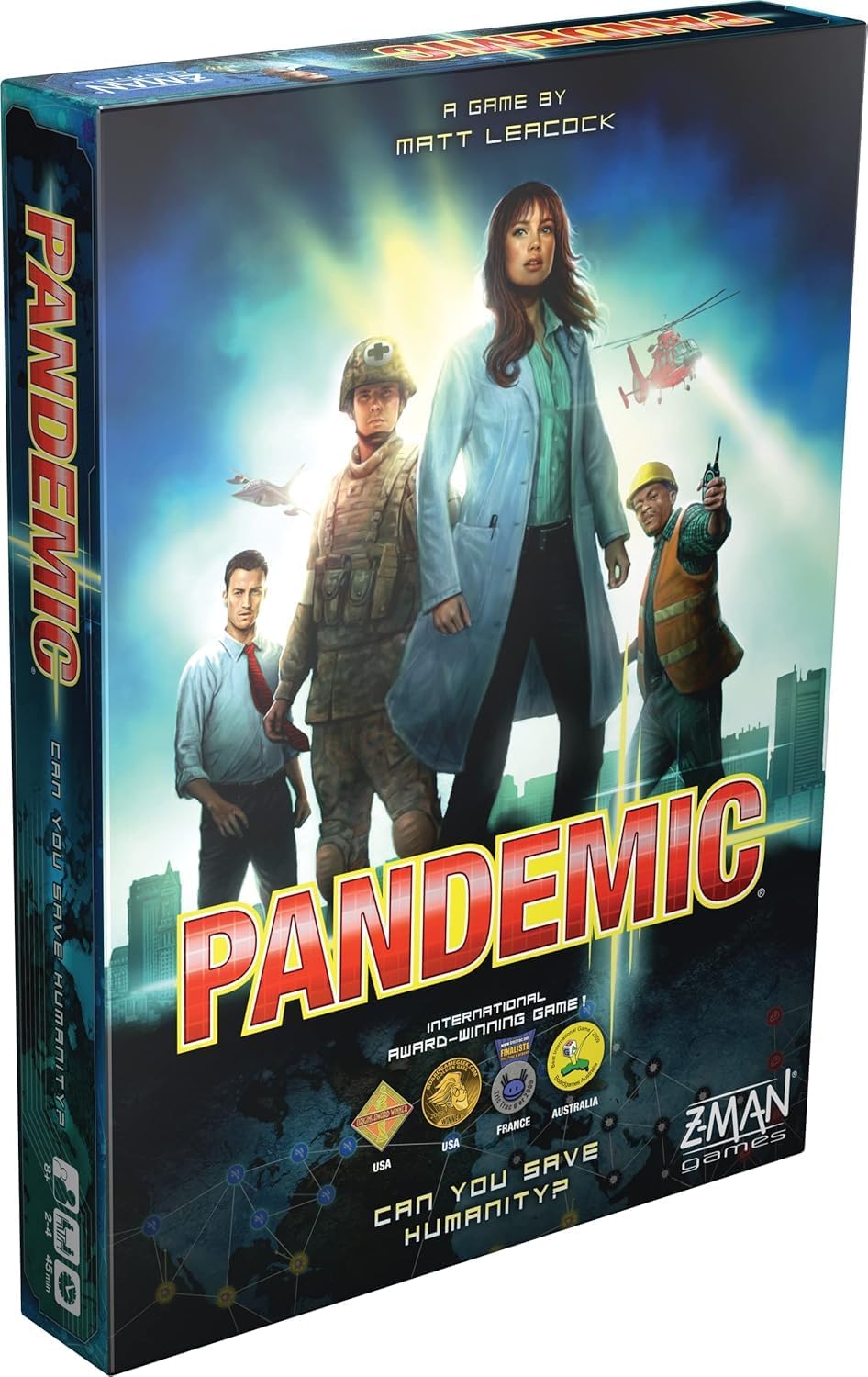
Cooperative classic. Save the world together. The game that converts non-gamers.…
Train routes across America. Five minutes to learn, plays for years.…