Head-to-head comparison
Lost Cities vs Patchwork
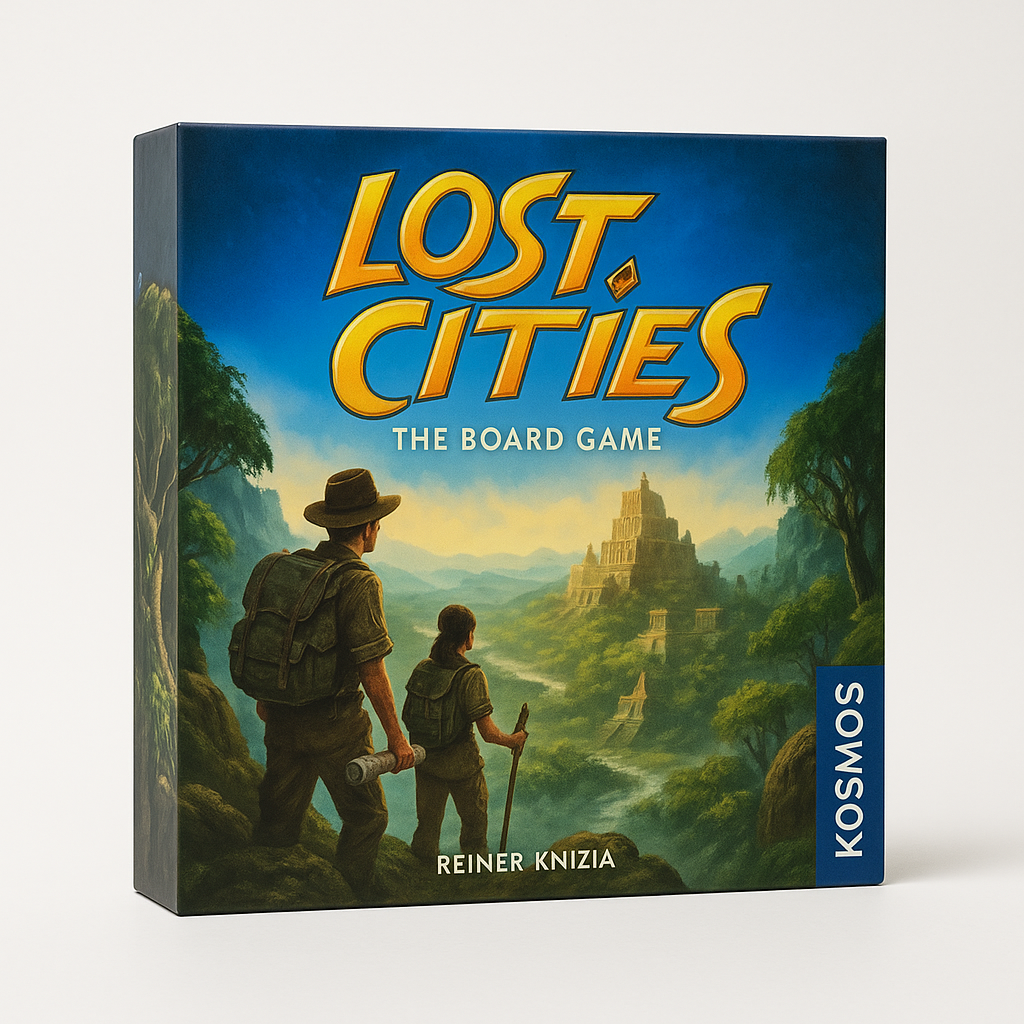
Both are 2-player-only and under 30 minutes. Lost Cities is a pure card game; Patchwork has a physical board component.
 Light weight
Lost Cities
Light weight
Lost Cities
$25
Two-player card game by the designer of Catan. Travels well. Plays clean.
Buy Lost Cities · $25 →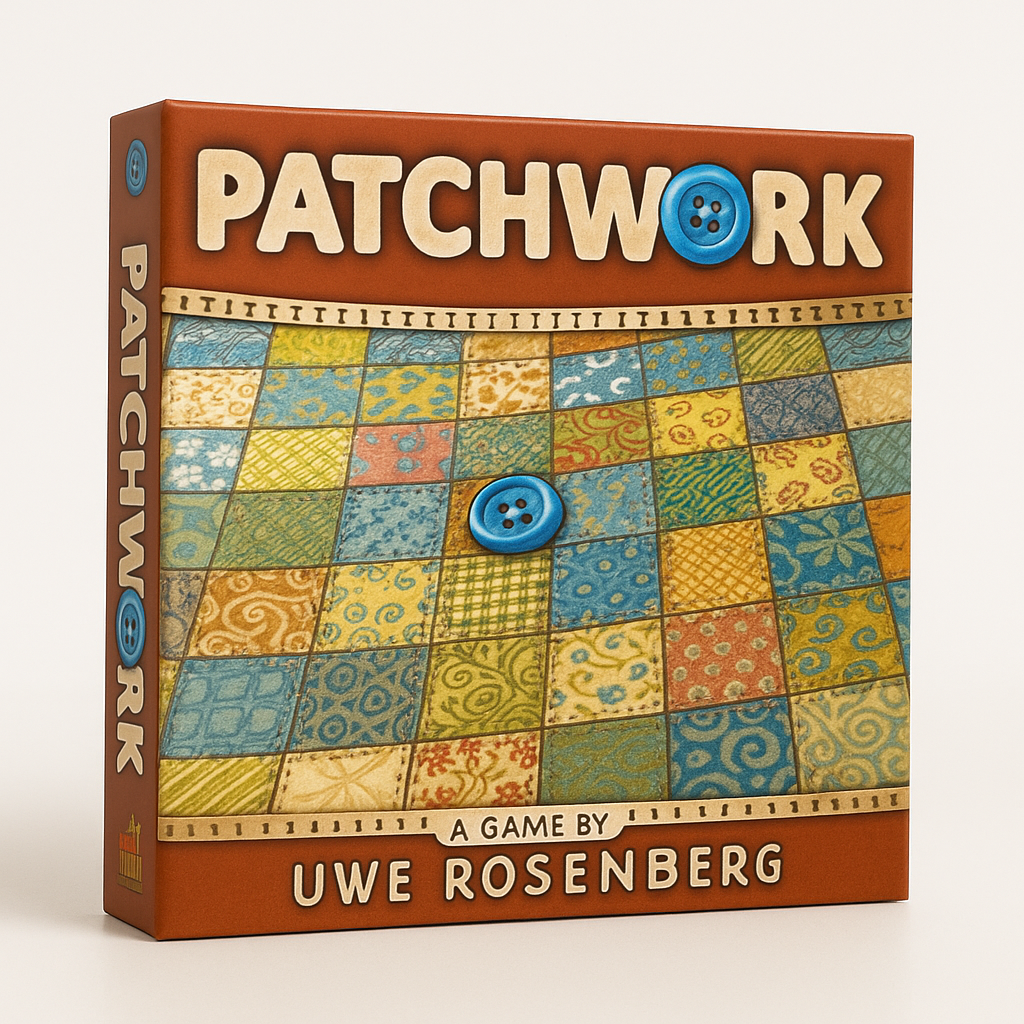 Light weight
Patchwork
Light weight
Patchwork
$30
Two-player tetris-quilt. Tense, quick, looks great on a coffee table.
Buy Patchwork · $30 →Pick Lost Cities if
You want a card game that plays in 20-30 minutes with almost no setup, Lost Cities goes anywhere.
Pick Patchwork if
You want a spatial puzzle, Patchwork's quilt board adds a tactile, visual dimension that cards alone can't match.
The tradeoff.
Lost Cities
Lost Cities is a streamlined two-player card game where you and your opponent lead competing expeditions across five different ancient locations. Each turn, you either play a card to advance one of your expeditions or discard a card to block your opponent's progress. The tableau builds horizontally as you accumulate numbered cards in ascending order, with investment tokens multiplying your final score. It's elegant in how little needs explaining: draw a card, play or discard, repeat until the deck empties. The tension emerges from deciding whether to push forward on a risky expedition or sabotage your opponent's most promising venture.
What sets Lost Cities apart is how the discard pile becomes a strategic weapon rather than mere cleanup. Playing cautiously guarantees modest points, but the real drama unfolds when both players commit heavily to the same expedition, turning it into a tug-of-war over who invested at the right moment. The game rewards reading your opponent without punishing loss streaks harshly. Unlike some light two-player games that feel like solo puzzles, this one generates genuine back-and-forth friction. The decisions matter without becoming burdensome, and games rarely feel foregone by the midpoint.
Best for: Two Players, Date Night, Long Flight
Patchwork
Patchwork is a two-player drafting game where you're building quilts by claiming fabric patches from a circular market. On your turn, you either spend time (your primary resource) to advance your token around a dial, or you pay buttons (a secondary currency) to purchase one of three available patches and sew it onto your personal quilt board. The tension emerges immediately: moving forward in time is often necessary, but it means your opponent gets first pick of the next patches. The turn structure creates a elegant push-pull dynamic that resolves every round, making the game feel perpetually tense despite its lightweight rules.
What distinguishes Patchwork from other light two-player games is how perfectly it balances spatial puzzle satisfaction with economic pressure. Placing patches to cover gaps in your quilt feels immediately rewarding, like solving a tiny tetris puzzle, while the button economy creates genuine difficult choices about when to save and when to spend. The game's aesthetic appeal shouldn't be understated either, a finished quilt is genuinely attractive, making it one of the few games that functions as living room décor. It fills a specific niche that party games and heavier abstracts leave empty: quick, mentally engaging, visually rewarding.
Best for: Two Players, Date Night, 30 Minutes or Less
These are editorial picks; publishers cannot pay to appear here. Amazon links fund the site, and if you'd rather buy local, find a store via BoardGameGeek.
Also worth considering.
Games that share contexts with both Lost Cities and Patchwork.
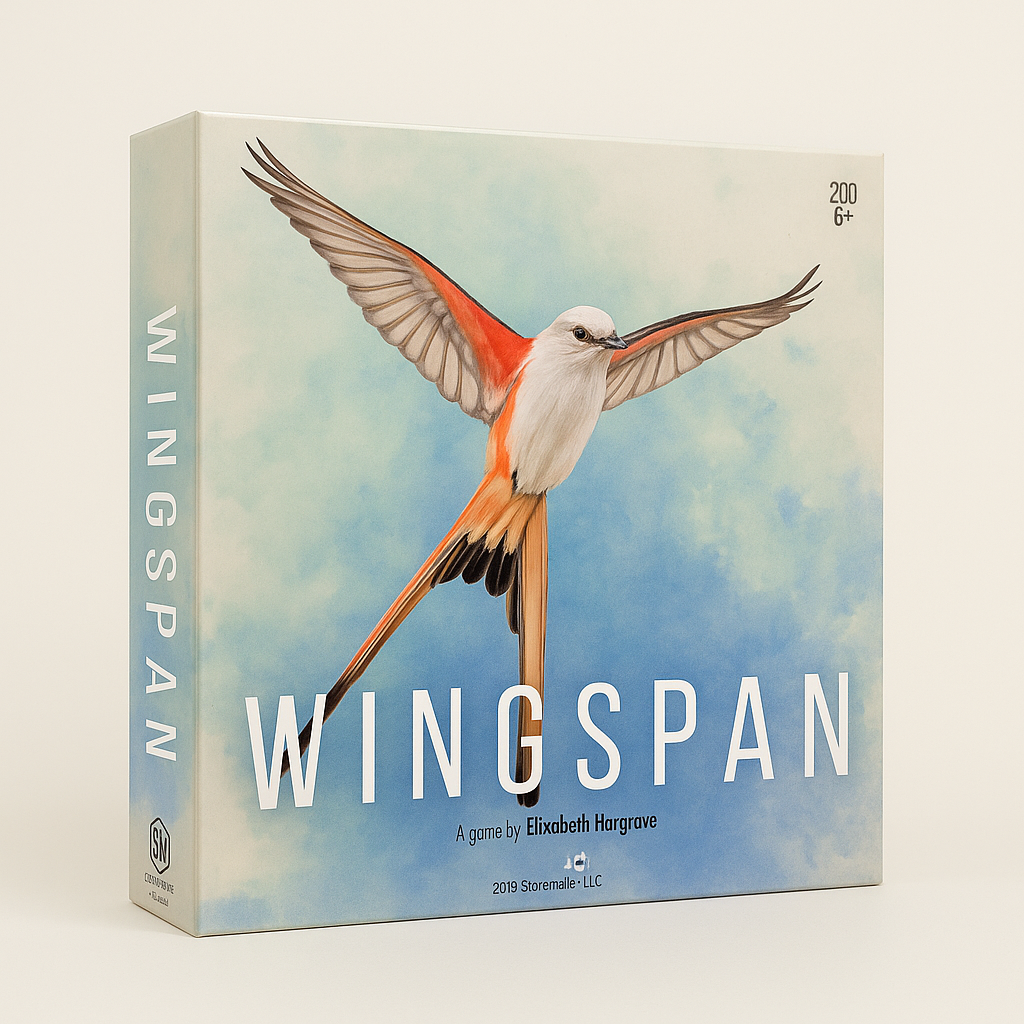
Birds, engine-building, exquisite art. Plays light enough for casual nights, deep enough for repeat play.…
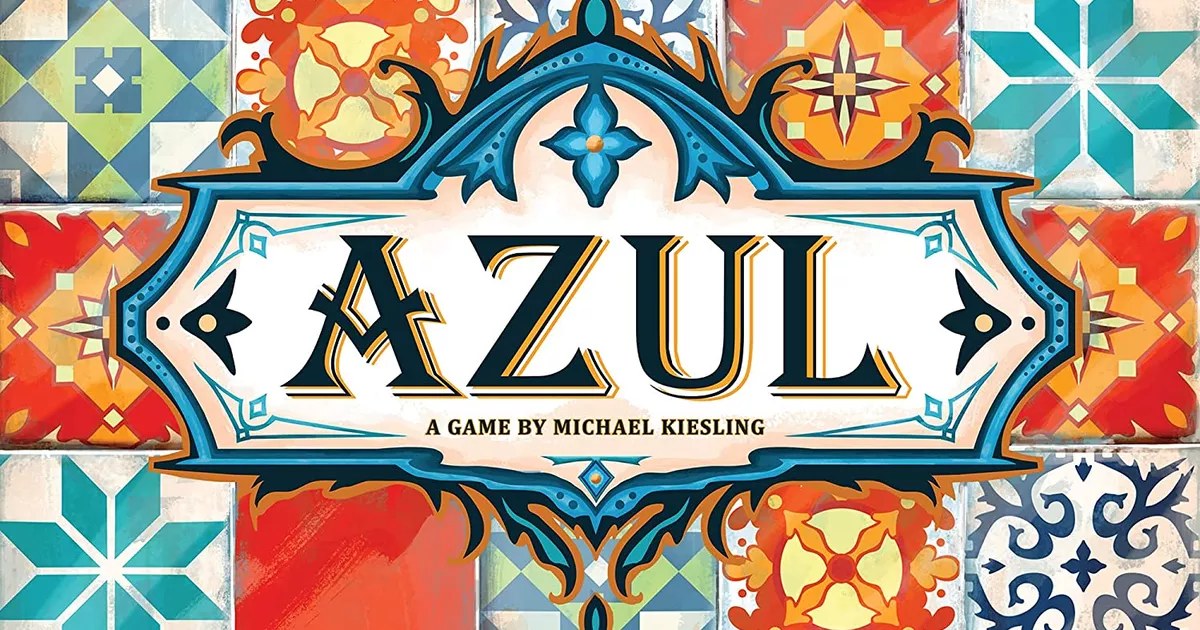
Pattern-laying tile game. Looks beautiful on the table. Teaches in five minutes.…
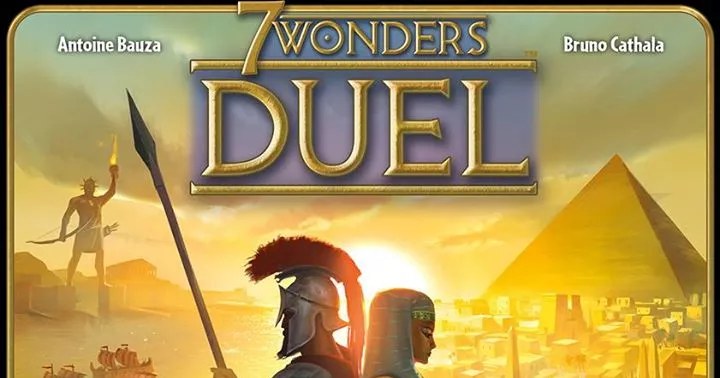
The two-player version that's actually better than the original. Tense, every choice matters.…
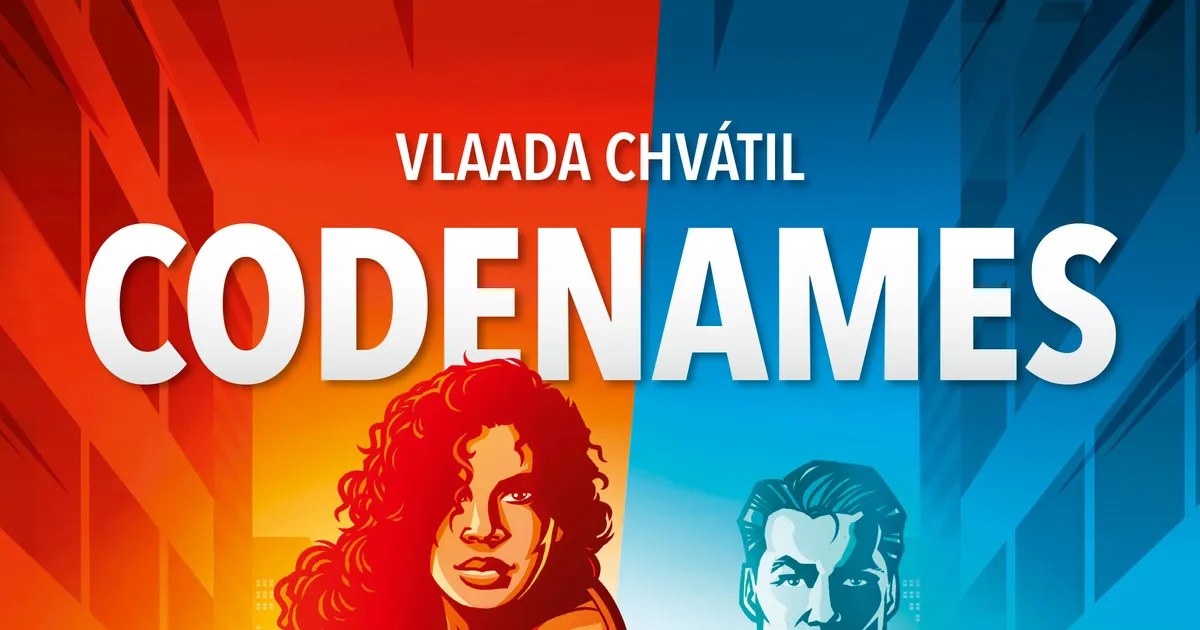
Word-association party game. Plays with grandparents, college kids, anyone in between.…