Head-to-head comparison
Arboretum vs Calico
Both are beautiful, nature-themed games. Arboretum is more competitive; Calico is more peaceful.
 Light weight
Arboretum
Light weight
Arboretum
$25
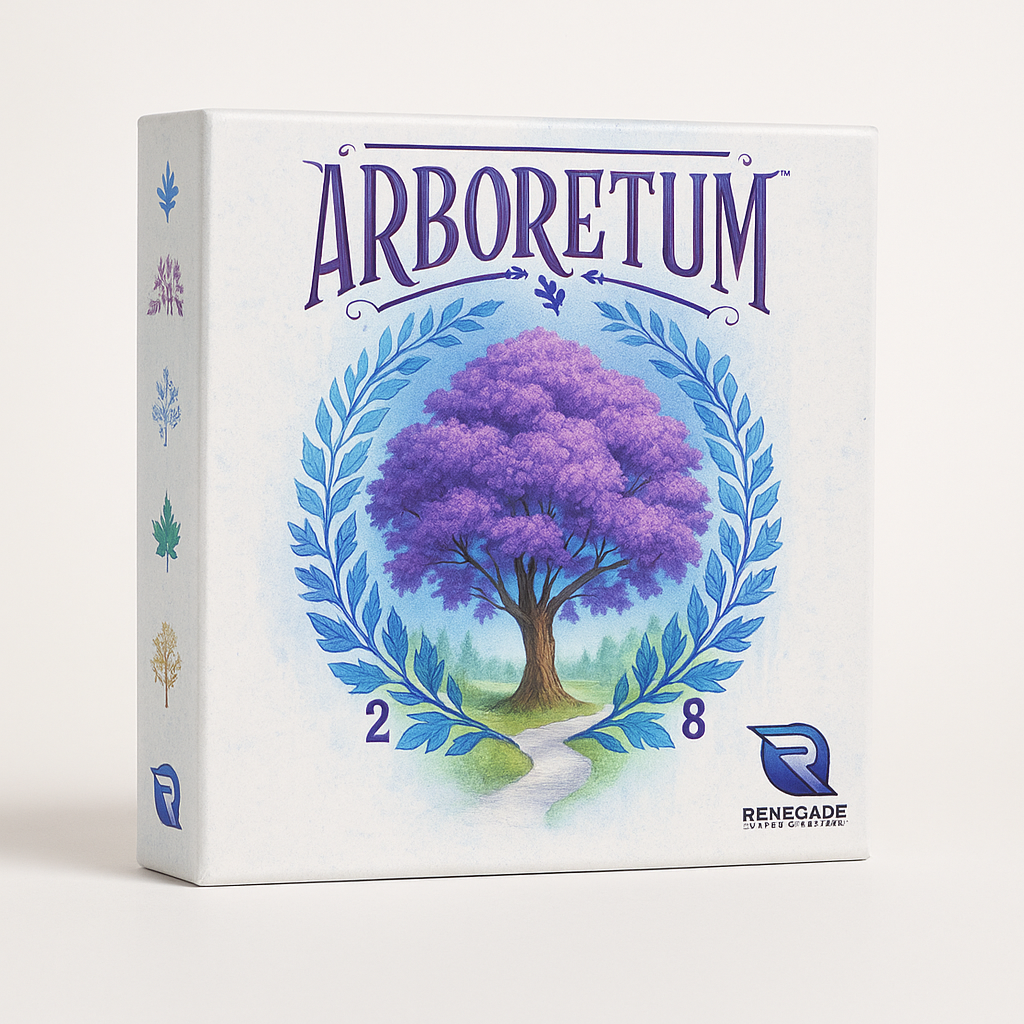
Arrange tree-card paths. Tense hand-management for two, lighter at four.
Buy Arboretum · $25 →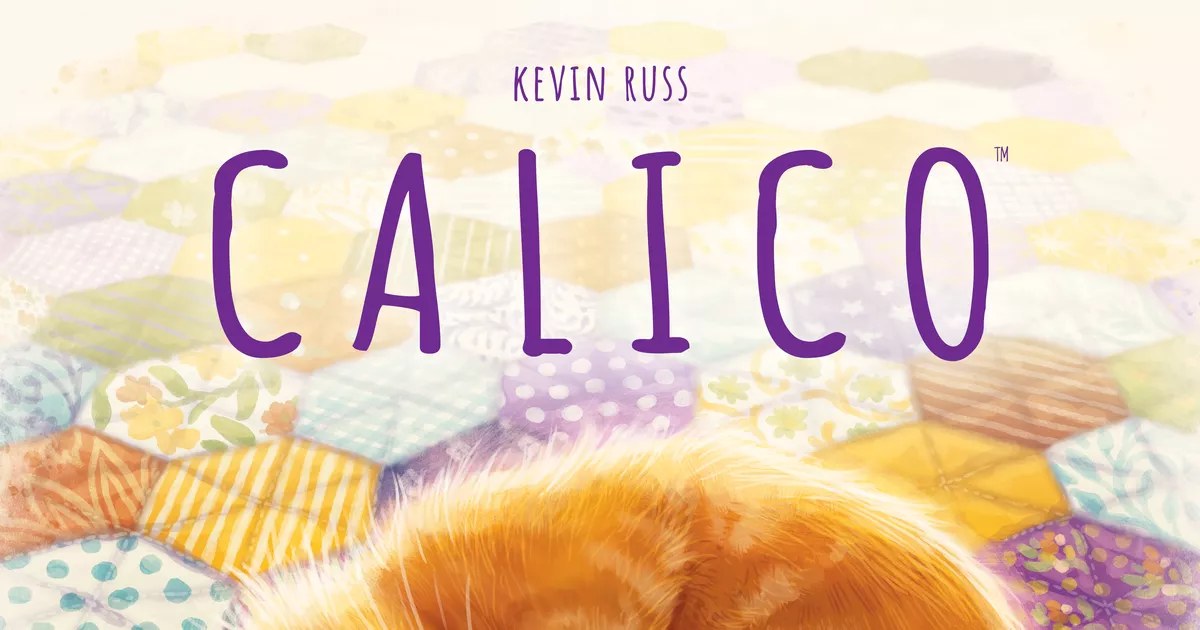 Medium weight
Calico
Medium weight
Calico
$40
Quilt-pattern puzzle. Solo plays beautifully. Adorable, harder than it looks.
Buy Calico · $40 →Pick Arboretum if
You want a competitive card game where hand management and sequencing create a deeply tense two-player experience.
Pick Calico if
You want a tile-placement puzzle that's more relaxing, Calico's quilt-building is satisfying and less cutthroat.
The tradeoff.
Arboretum
Arboretum distills tree-planting into elegant card management. Players draw and play cards from a central deck, arranging them into personal tree-lined paths on the table. Each turn, you add a card to your arboretum, then discard one to a shared row. The twist arrives during scoring: you can only claim a path if you hold the highest cards of that tree's suit in your hand. This creates constant tension between what you need to play and what you must reveal to your opponents. With only sixteen cards in hand throughout the game, every decision carries weight, and the thirty-minute runtime respects that economy perfectly.
The game's magic lies in its psychological knife's edge, especially with two players. Hand management becomes mind-reading, where you're simultaneously trying to build your own paths while denying opponents their scoring opportunities. Unlike lighter games that feel merely whimsical, Arboretum generates genuine decision weight without rulebook complexity. The punchy card play and beautiful tree illustrations create a relaxing aesthetic that masks the strategic undercurrent. With more players, this tension softens into a friendlier experience, but loses some of its compelling bite.
Best for: Two Players, Date Night, 30 Minutes or Less
Calico
Calico is a tile-laying puzzle where players draft patches of fabric to build a quilt pattern on their personal board. Each turn, you draw a tile from a central display and place it on your quilt, trying to match colors and patterns to complete patterns and attract cats. The core tension comes from limited choice: you're selecting from what's available, not always what you want. Simple as that sounds, the spatial constraints create genuine puzzles. You're solving a solitaire-like challenge while interacting minimally with opponents, which gives the game its peaceful, meditative quality.
What makes Calico stand out is how beautifully it captures the satisfaction of making something. The adorable aesthetic, the cat tokens, the pastel quilts, the folksy art, never overshadows the real puzzle underneath. This isn't a game where the theme is painted on; the quilt-building actually *is* the game you're playing. Compared to other medium-weight puzzlers, Calico feels less fiddly and more forgiving than it initially appears, yet it remains challenging enough to stay interesting across multiple plays. The solo mode is genuinely excellent, with no artificial difficulty scaling that makes it feel like a lesser experience.
Best for: Solo, Two Players, 3-4 Players
These are editorial picks; publishers cannot pay to appear here. Amazon links fund the site, and if you'd rather buy local, find a store via BoardGameGeek.
Also worth considering.
Games that share contexts with both Arboretum and Calico.

Birds, engine-building, exquisite art. Plays light enough for casual nights, deep enough for repeat play.…

Pattern-laying tile game. Looks beautiful on the table. Teaches in five minutes.…

The two-player version that's actually better than the original. Tense, every choice matters.…

Cooperative classic. Save the world together. The game that converts non-gamers.…