Head-to-head comparison
Azul vs Azul: Summer Pavilion
Original Azul is tighter and more cutthroat; Summer Pavilion is looser and friendlier with more scoring decisions. Competitive couples, original. Family tables that hated getting stuck, Summer Pavilion.
 Light weight
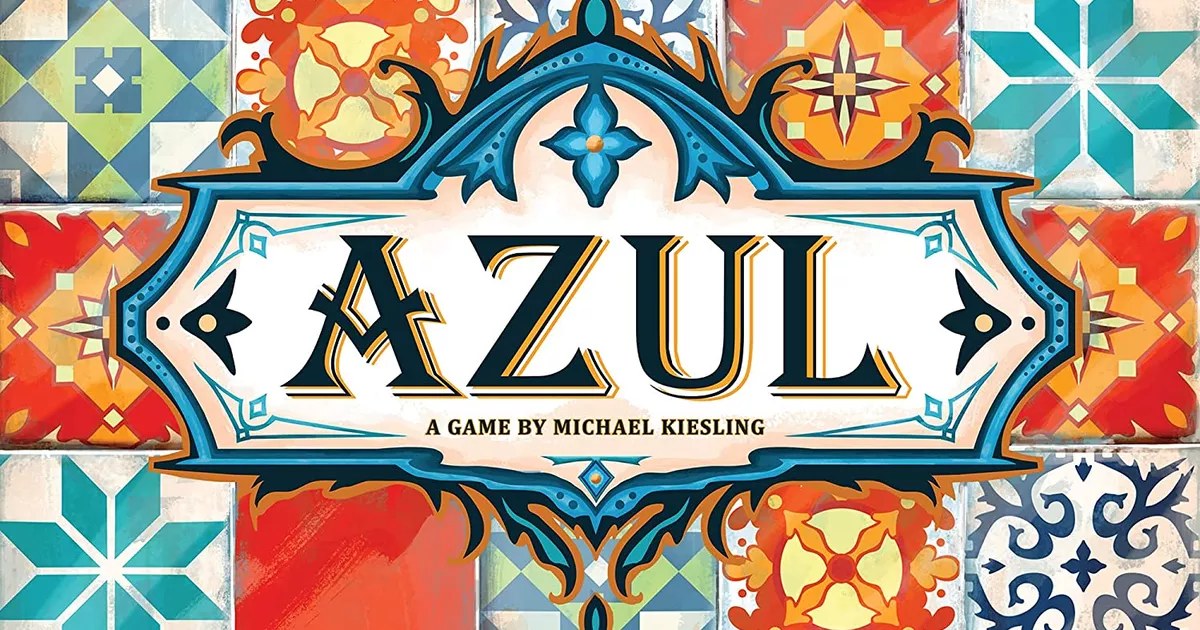
Azul
Light weight
Azul
$31.99
Pattern-laying tile game. Looks beautiful on the table. Teaches in five minutes.
Buy Azul · $31.99 →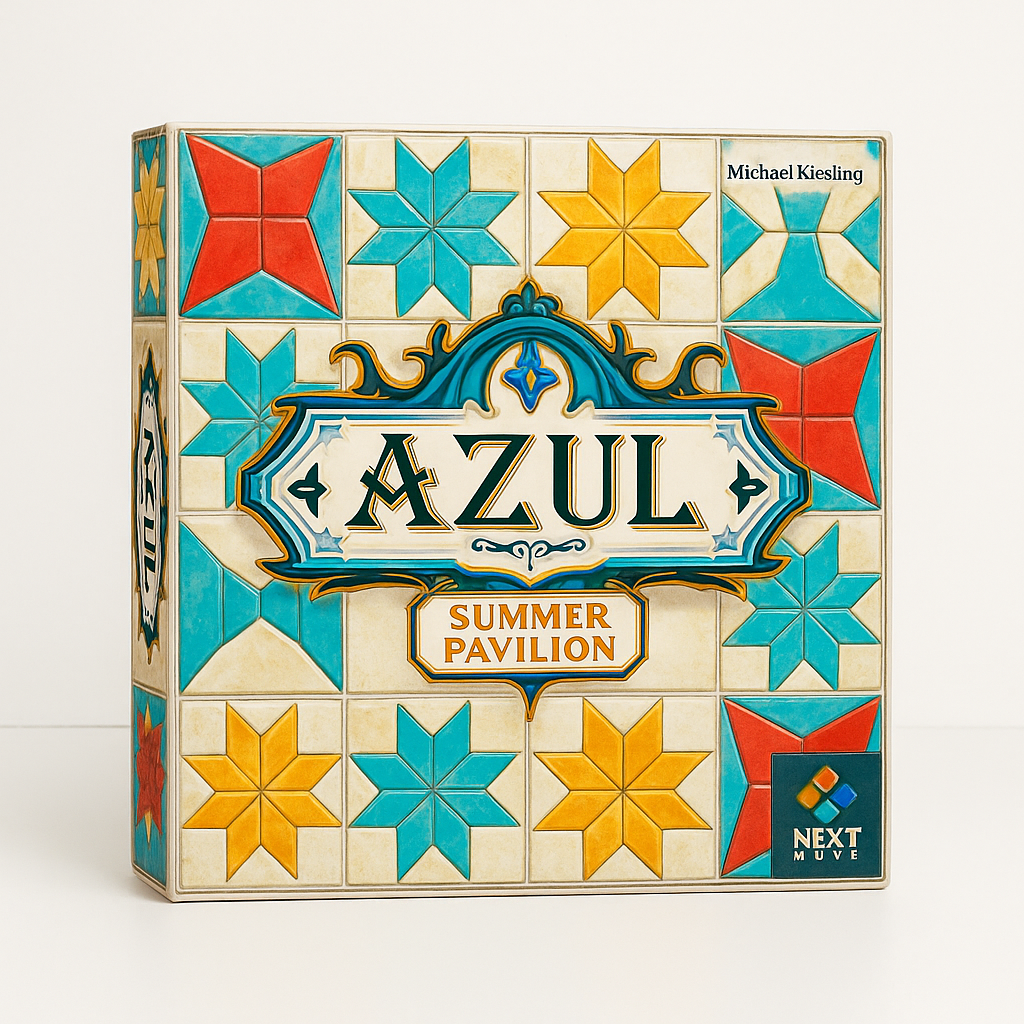 medium weight
Azul: Summer Pavilion
medium weight
Azul: Summer Pavilion
$36.09
Draft tiles to create beautiful patterns and score points strategically.
Buy Azul: Summer Pavilion · $36.09 →Pick Azul if
You want the first, cleanest version: the one everyone knows, the easiest to teach, and the meanest when you leave a rival stuck with tiles.
Pick Azul: Summer Pavilion if
You want more freedom and less punishment. Summer Pavilion lets you place tiles anywhere on a star-shaped board with wild colors, so the game is about planning rather than denial.
The tradeoff.
Azul
Azul is a tile-drafting game where players compete to build the most elegant mosaic patterns. On your turn, you select all tiles of one color from a central display and add them to your personal player board, which features rows of increasing length. Once a row fills completely, those tiles slide over to a permanent scoring grid where they form patterns. The game rewards both completing rows and creating specific configurations, but there's a genuine penalty for taking more tiles than you can place, which means every selection carries weight and consequence.
What sets Azul apart in the light strategy category is its stunning visual presentation combined with genuinely tense decision-making. The ceramic-quality tiles feel satisfying to handle, and the board state evolves into something genuinely beautiful as patterns emerge. The tension comes from a clever blocking mechanism: when you take tiles, you're not just building your own mosaic, you're forcing opponents to deal with leftovers they don't want. Players who enjoy games where elegance and competition intertwine will find plenty to love here. Unlike many light games that feel purely lucky or purely mechanical, Azul hits that sweet spot where planning matters but luck doesn't dominate.
Best for: Two Players, 3-4 Players, Family with Kids
Azul: Summer Pavilion
Azul: Summer Pavilion is a tile-drafting game where players select tiles from a central display and place them onto personal boards to create patterns that score points. On your turn, you pick all tiles of one color from the available sets, then place them strategically on your player board according to specific placement rules. The core loop is delightfully simple: grab tiles, place tiles, score completed patterns, repeat. The board itself features a grid where tiles must form connected paths, and completing certain arrangements grants bonus points. The elegance lies in how placement restrictions create meaningful decisions without overwhelming players, making each turn quick yet thoughtful.
What distinguishes Summer Pavilion is the meditative satisfaction of watching abstract patterns emerge from tile placement. There's genuine aesthetic pleasure in the game's visual design, and the strategy layer runs deeper than it first appears, blocking opponents' desired tile colors becomes crucial as the game progresses. Unlike some medium-weight games that rely on luck or table talk, this one rewards spatial planning and forward thinking. The tension between pursuing your own pattern and disrupting others' plans creates engaging social moments without becoming cutthroat, making it exceptionally welcoming to newer players who might otherwise feel lost in more complex titles.
These are editorial picks; publishers cannot pay to appear here. Amazon links fund the site, and if you'd rather buy local, find a store via BoardGameGeek.