Head-to-head comparison
Azul vs Harmonies
Azul is competitive and a touch mean; Harmonies is peaceful and a touch deeper in its spatial puzzle. Both play in 30 to 45 minutes. Pick by whether your table enjoys denial.
 Light weight
Azul
Light weight
Azul
$31.99
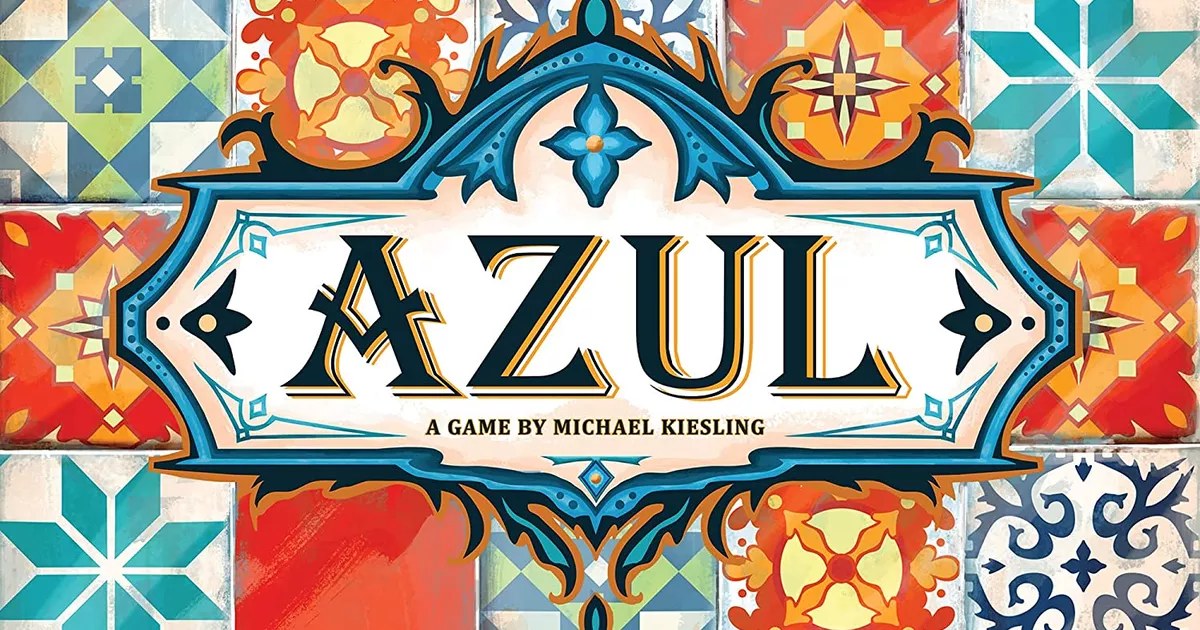
Pattern-laying tile game. Looks beautiful on the table. Teaches in five minutes.
Buy Azul · $31.99 →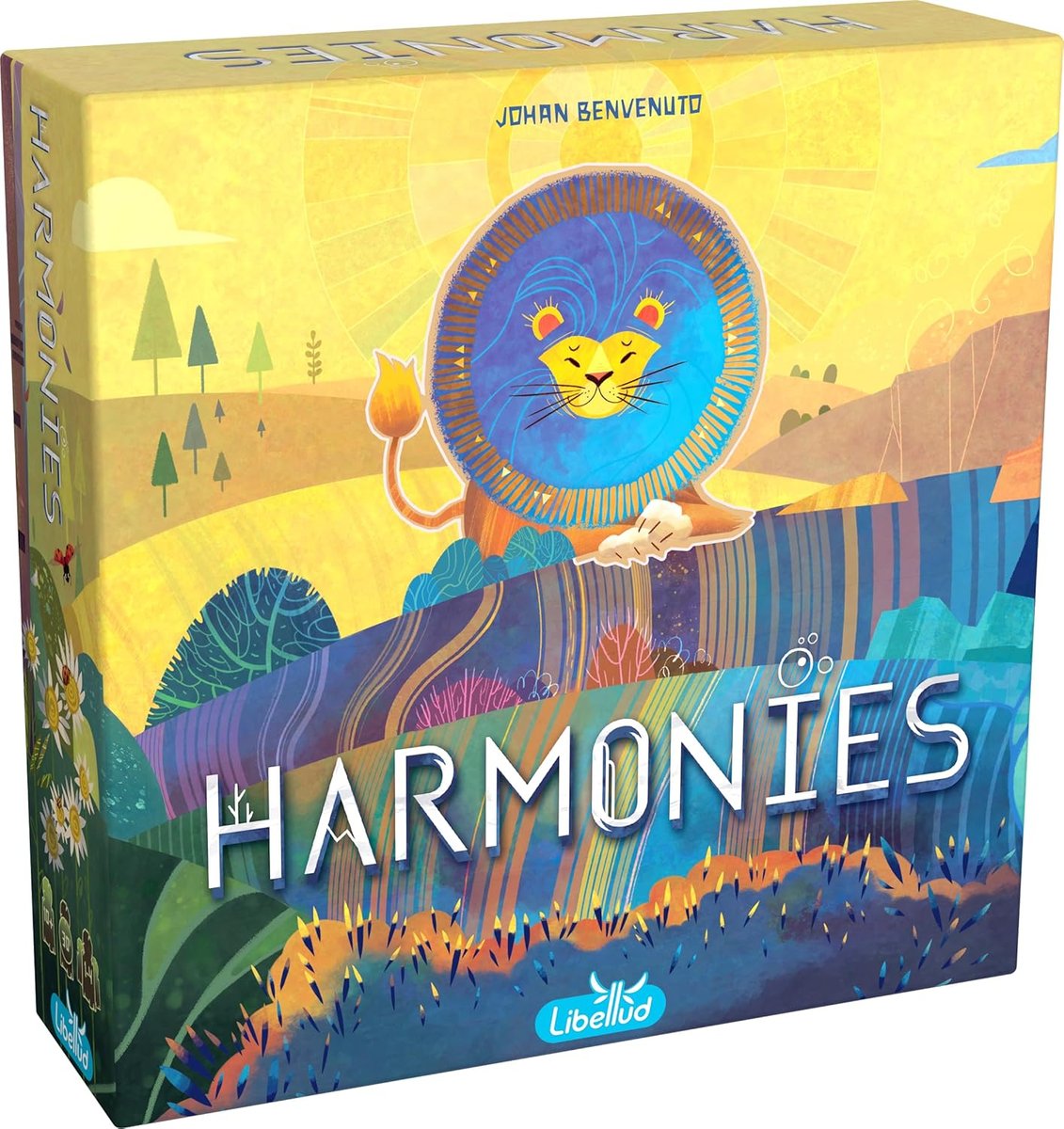 Light weight
Harmonies
Light weight
Harmonies
$31.99
Draft three tokens, grow a tiny landscape, lure animals home. Thirty minutes of calm with more bite than it lets on.
Buy Harmonies · $31.99 →Pick Azul if
You want the sharper abstract with a shared tile market where taking the right tiles at the right time can leave a rival stuck; it is the classic for a reason.
Pick Harmonies if
You want a gentler, prettier landscape builder where colored tokens stack into little hills and forests and nobody can hurt you.
The tradeoff.
Azul
Azul is a tile-drafting game where players compete to build the most elegant mosaic patterns. On your turn, you select all tiles of one color from a central display and add them to your personal player board, which features rows of increasing length. Once a row fills completely, those tiles slide over to a permanent scoring grid where they form patterns. The game rewards both completing rows and creating specific configurations, but there's a genuine penalty for taking more tiles than you can place, which means every selection carries weight and consequence.
What sets Azul apart in the light strategy category is its stunning visual presentation combined with genuinely tense decision-making. The ceramic-quality tiles feel satisfying to handle, and the board state evolves into something genuinely beautiful as patterns emerge. The tension comes from a clever blocking mechanism: when you take tiles, you're not just building your own mosaic, you're forcing opponents to deal with leftovers they don't want. Players who enjoy games where elegance and competition intertwine will find plenty to love here. Unlike many light games that feel purely lucky or purely mechanical, Azul hits that sweet spot where planning matters but luck doesn't dominate.
Best for: Two Players, 3-4 Players, Family with Kids
Harmonies
Harmonies has one mandatory action and two optional ones, which tells you most of what you need about its weight. On your turn you take all three colored tokens from one depot on the central board and place them on your personal board, building terrain: water, fields, buildings, trees, and mountains, each with its own scoring logic. Optionally, you may claim an animal card from the market, holding up to four at a time. Each animal card shows a terrain pattern, and whenever your landscape matches it you move a cube off that card onto the habitat you just completed. Cubes placed and terrain built both score, the game ends when the token bag or board space runs out, and the whole thing lands in about 30 minutes.
The genius is in the forced bundle. You never take the three tokens you actually want; you take the least-bad depot, and turning those leftovers into points is the puzzle. It scratches the same spatial itch as the best tile-layers while looking like a storybook, because Libellud's production is genuinely lovely: chunky circular tokens, illustrated animal cards, a table presence far above its price. It also includes a solo mode, and it earned its spot on best-of-2025 lists by being the rare filler that satisfies both the family and the strategist in the same play.
Best for: 30 Minutes or Less, Family with Kids, Date Night
These are editorial picks; publishers cannot pay to appear here. Amazon links fund the site, and if you'd rather buy local, find a store via BoardGameGeek.
Also worth considering.
Games that share contexts with both Azul and Harmonies.
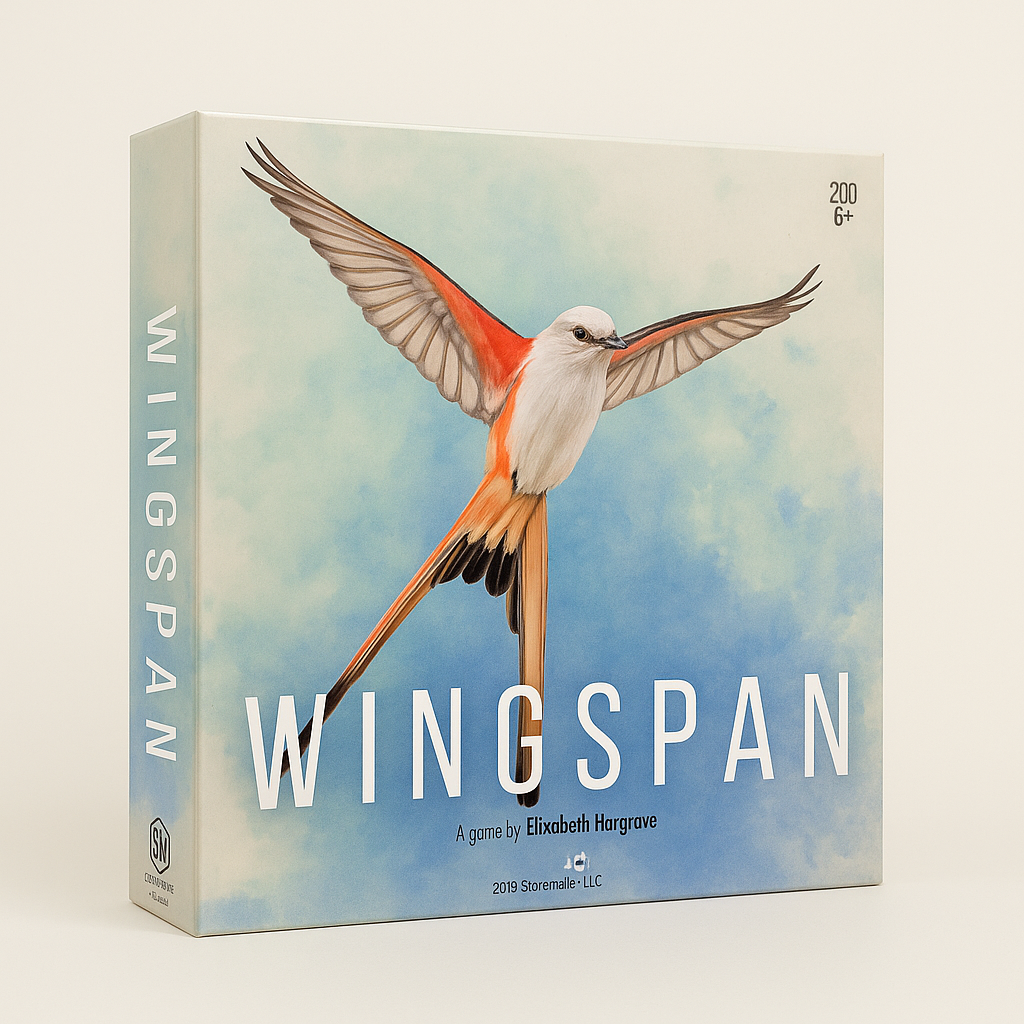
Birds, engine-building, exquisite art. Plays light enough for casual nights, deep enough for repeat play.…
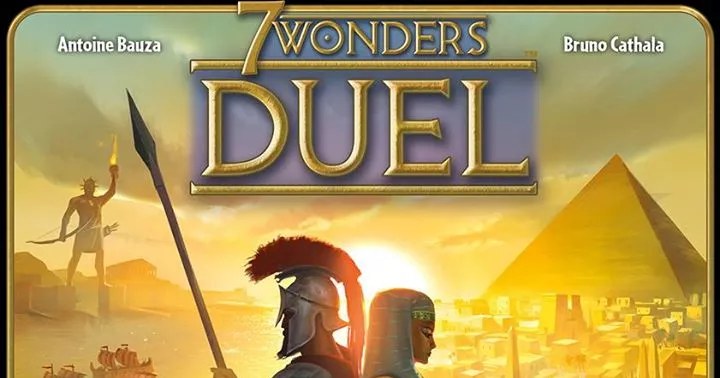
The two-player version that's actually better than the original. Tense, every choice matters.…
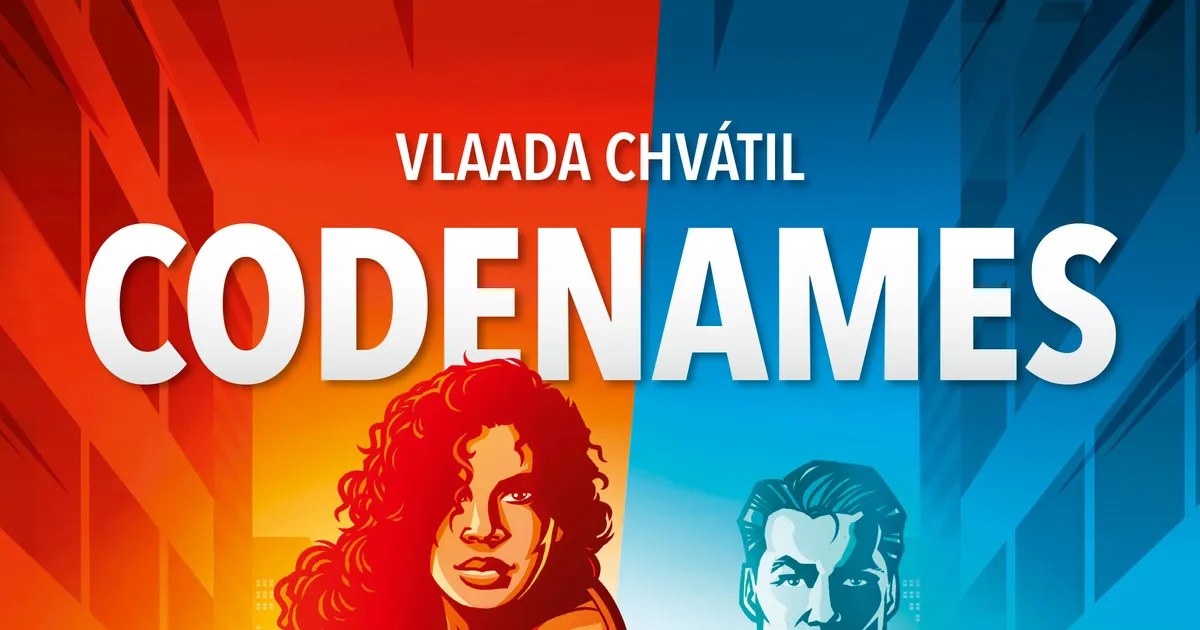
Word-association party game. Plays with grandparents, college kids, anyone in between.…
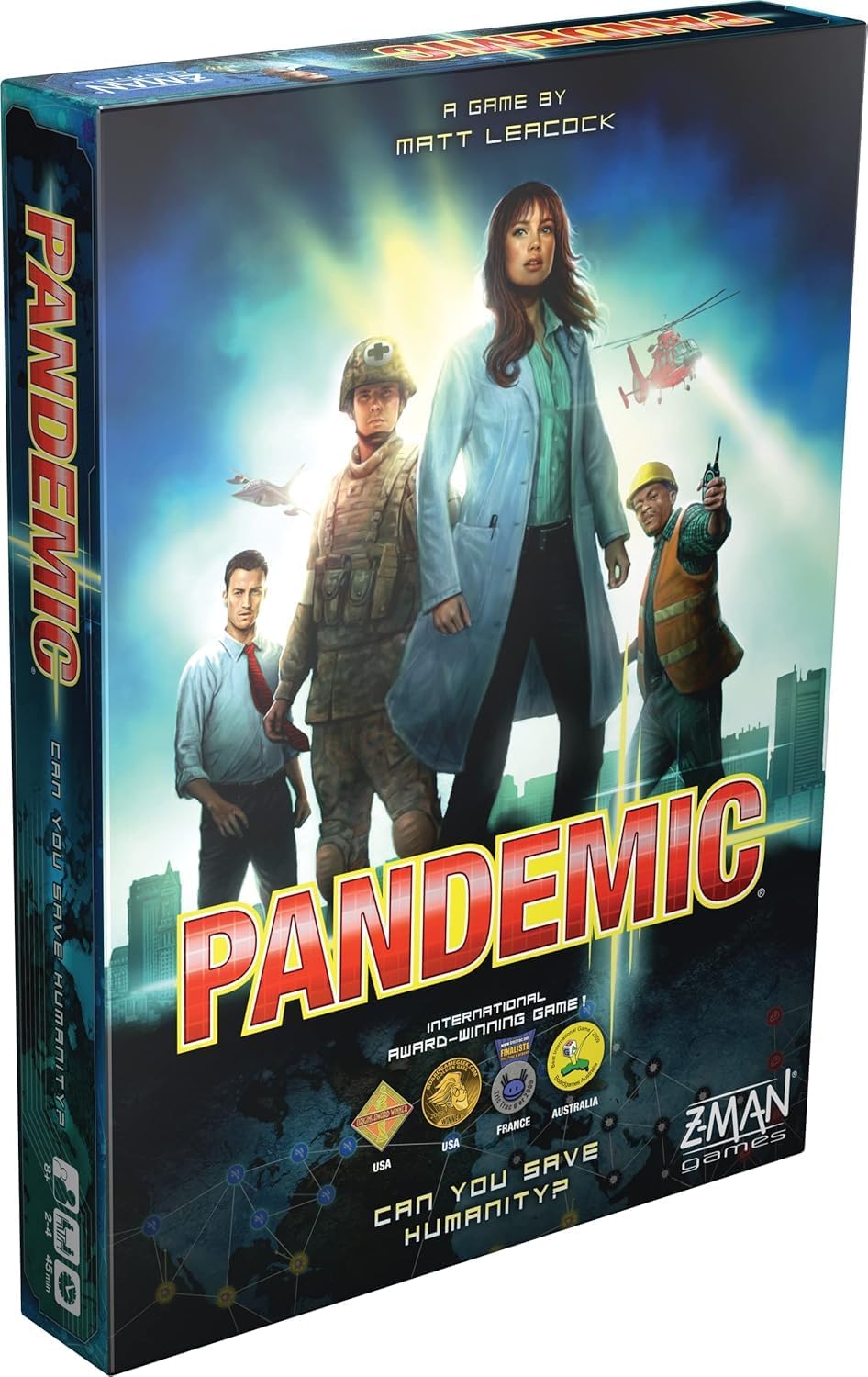
Cooperative classic. Save the world together. The game that converts non-gamers.…