Head-to-head comparison
Azul vs Patchwork
Both are tile-placement games at a similar complexity. Azul supports 2-4; Patchwork is designed exclusively for 2.
 Light weight
Azul
Light weight
Azul
$40
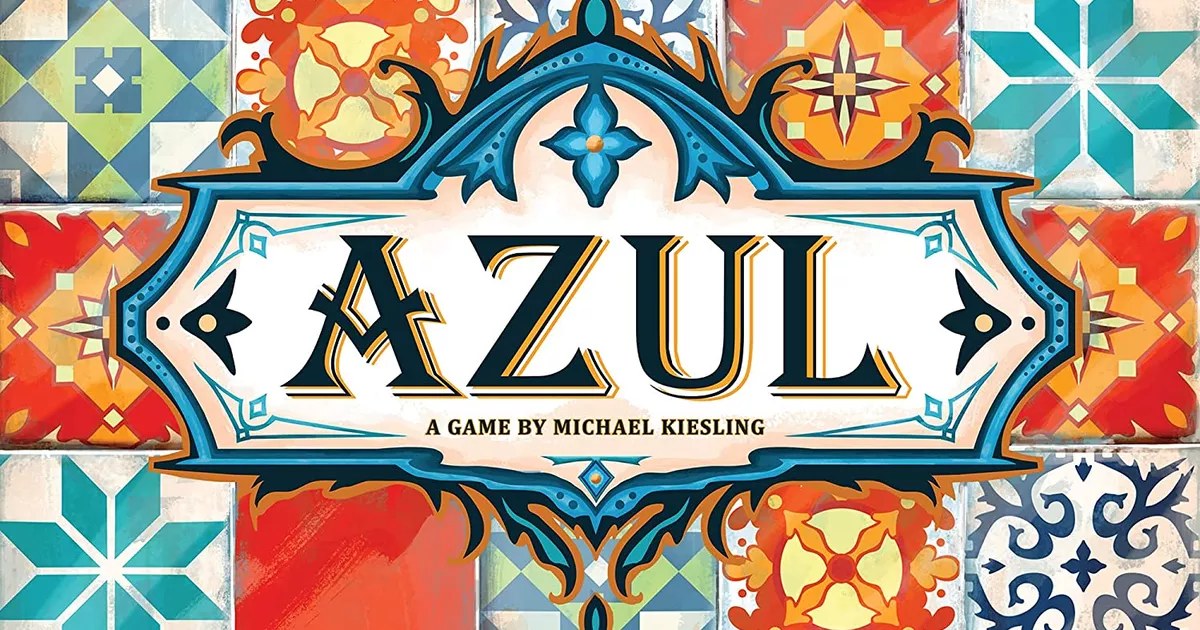
Pattern-laying tile game. Looks beautiful on the table. Teaches in five minutes.
Buy Azul · $40 →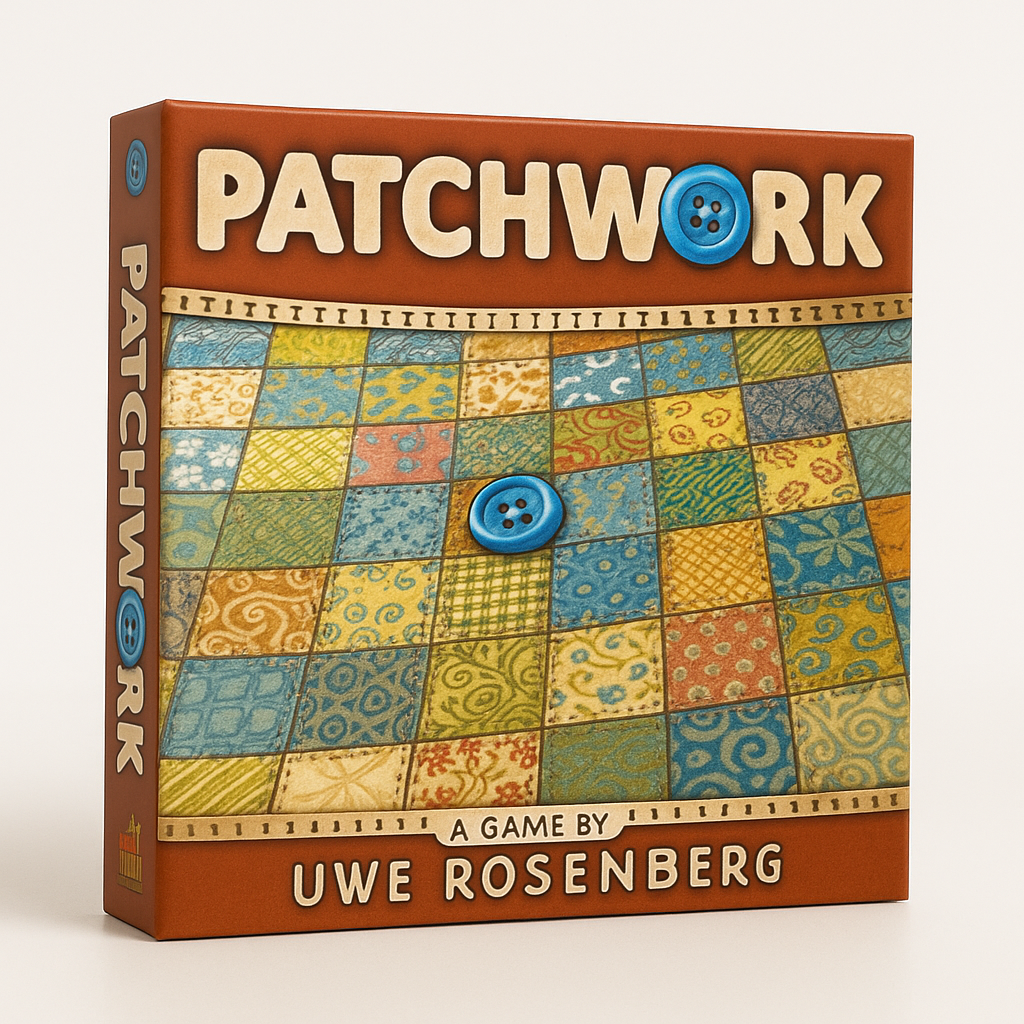 Light weight
Patchwork
Light weight
Patchwork
$30
Two-player tetris-quilt. Tense, quick, looks great on a coffee table.
Buy Patchwork · $30 →Pick Azul if
You prefer group competition (2-4 players drafting from a shared pool) over head-to-head.
Pick Patchwork if
You want a pure 2-player experience, Patchwork's Tetris-like quilt building is perfectly tuned for exactly two people.
The tradeoff.
Azul
Azul is a tile-drafting game where players compete to build the most elegant mosaic patterns. On your turn, you select all tiles of one color from a central display and add them to your personal player board, which features rows of increasing length. Once a row fills completely, those tiles slide over to a permanent scoring grid where they form patterns. The game rewards both completing rows and creating specific configurations, but there's a genuine penalty for taking more tiles than you can place, which means every selection carries weight and consequence.
What sets Azul apart in the light strategy category is its stunning visual presentation combined with genuinely tense decision-making. The ceramic-quality tiles feel satisfying to handle, and the board state evolves into something genuinely beautiful as patterns emerge. The tension comes from a clever blocking mechanism: when you take tiles, you're not just building your own mosaic, you're forcing opponents to deal with leftovers they don't want. Players who enjoy games where elegance and competition intertwine will find plenty to love here. Unlike many light games that feel purely lucky or purely mechanical, Azul hits that sweet spot where planning matters but luck doesn't dominate.
Best for: Two Players, 3-4 Players, Family with Kids
Patchwork
Patchwork is a two-player drafting game where you're building quilts by claiming fabric patches from a circular market. On your turn, you either spend time (your primary resource) to advance your token around a dial, or you pay buttons (a secondary currency) to purchase one of three available patches and sew it onto your personal quilt board. The tension emerges immediately: moving forward in time is often necessary, but it means your opponent gets first pick of the next patches. The turn structure creates a elegant push-pull dynamic that resolves every round, making the game feel perpetually tense despite its lightweight rules.
What distinguishes Patchwork from other light two-player games is how perfectly it balances spatial puzzle satisfaction with economic pressure. Placing patches to cover gaps in your quilt feels immediately rewarding, like solving a tiny tetris puzzle, while the button economy creates genuine difficult choices about when to save and when to spend. The game's aesthetic appeal shouldn't be understated either, a finished quilt is genuinely attractive, making it one of the few games that functions as living room décor. It fills a specific niche that party games and heavier abstracts leave empty: quick, mentally engaging, visually rewarding.
Best for: Two Players, Date Night, 30 Minutes or Less
These are editorial picks; publishers cannot pay to appear here. Amazon links fund the site, and if you'd rather buy local, find a store via BoardGameGeek.
Also worth considering.
Games that share contexts with both Azul and Patchwork.
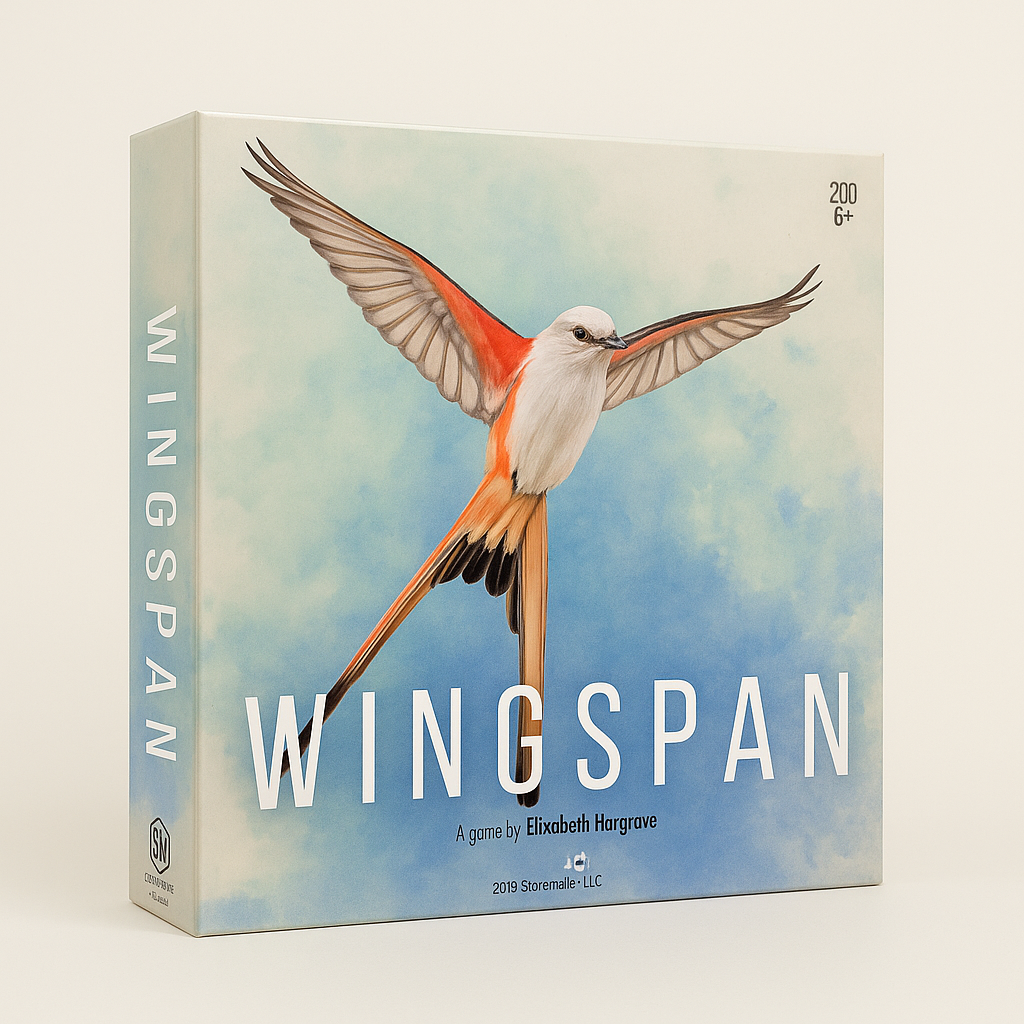
Birds, engine-building, exquisite art. Plays light enough for casual nights, deep enough for repeat play.…

The two-player version that's actually better than the original. Tense, every choice matters.…

Word-association party game. Plays with grandparents, college kids, anyone in between.…
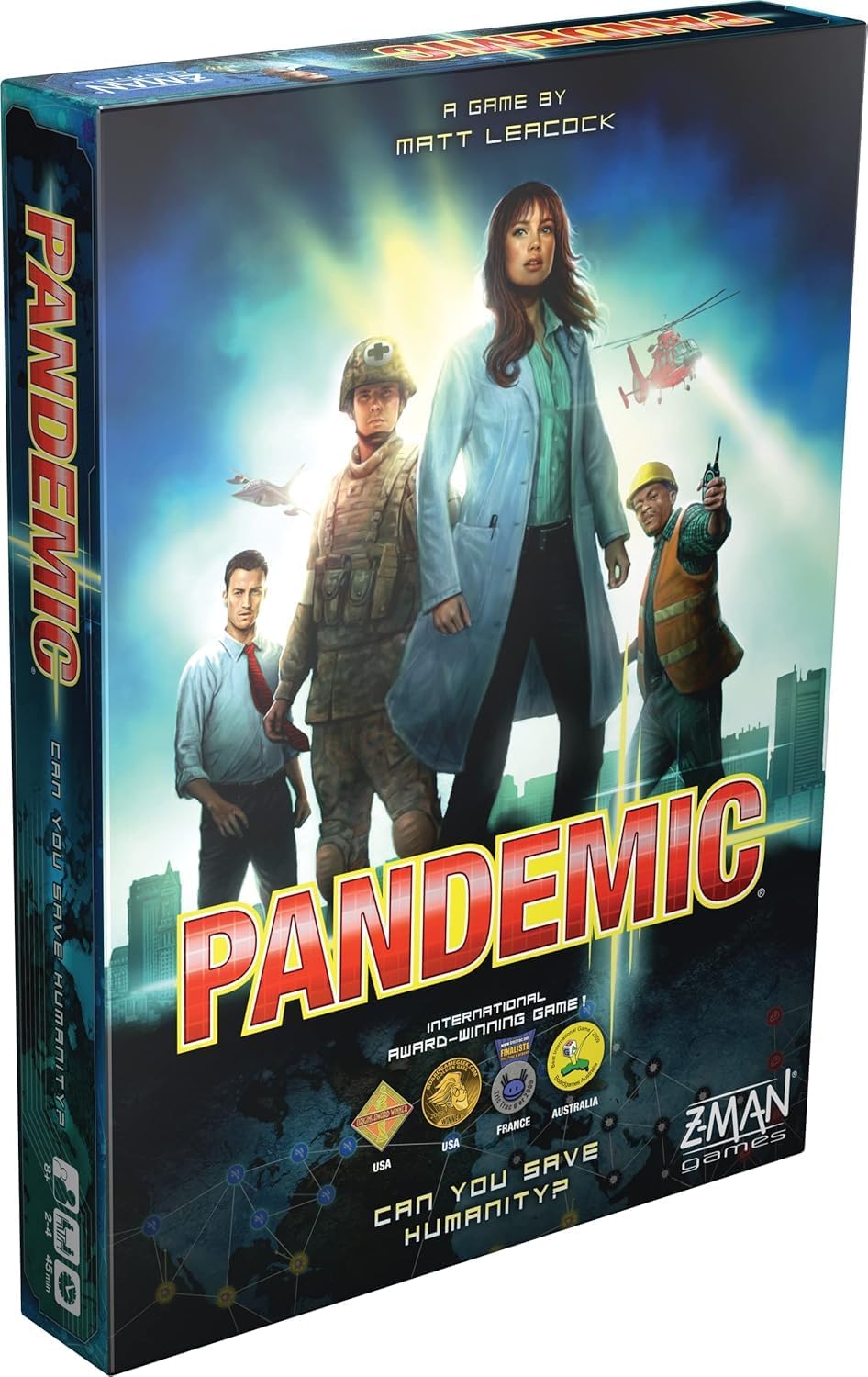
Cooperative classic. Save the world together. The game that converts non-gamers.…