Head-to-head comparison
Catan vs Carcassonne
Catan is louder and more social; Carcassonne is quieter and more tactical. Catan plays 3-4, Carcassonne plays 2-5.
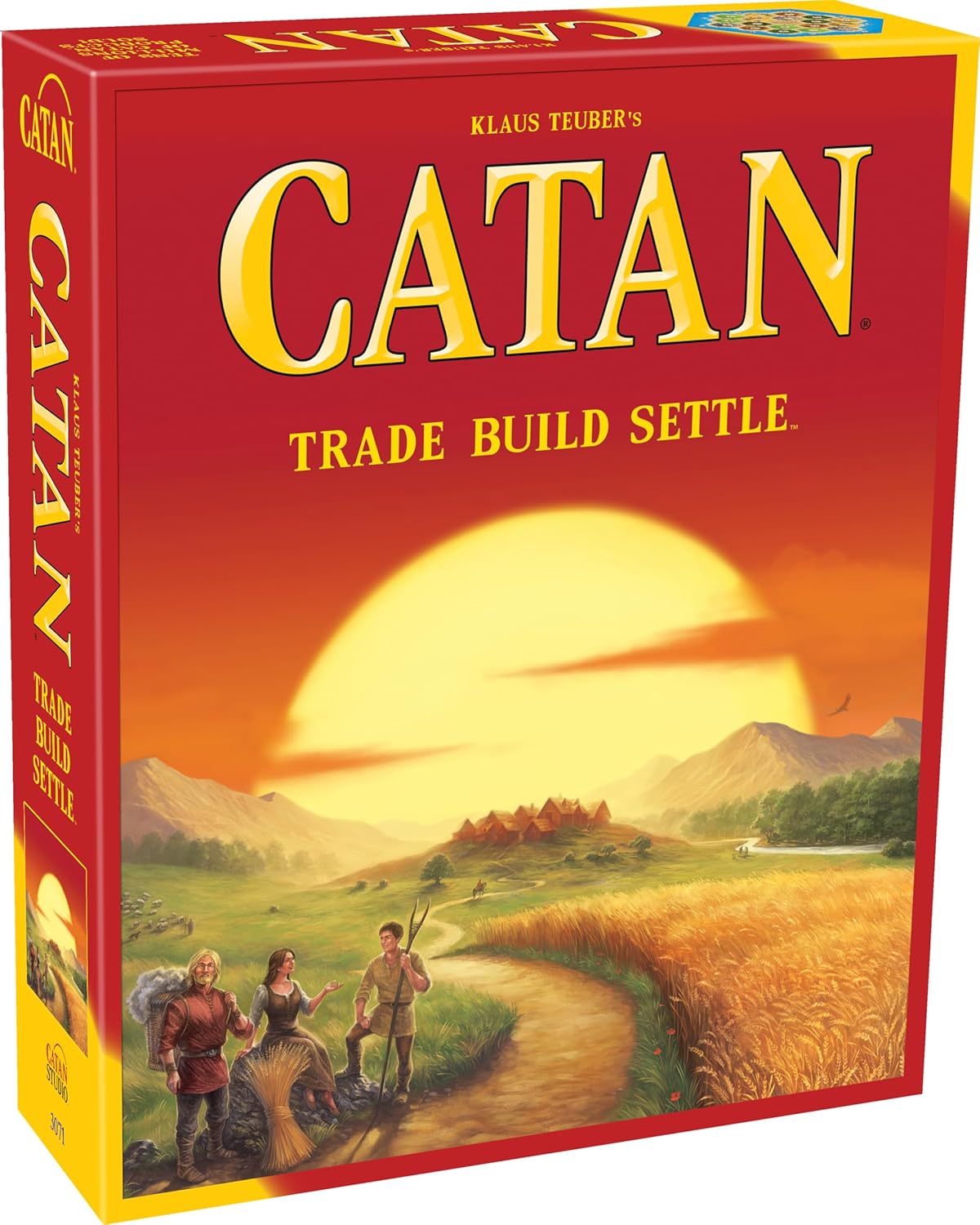 Medium weight
Catan
Medium weight
Catan
$55
The trade-and-build classic. Five expansions deep if anyone catches the bug.
Buy Catan · $55 →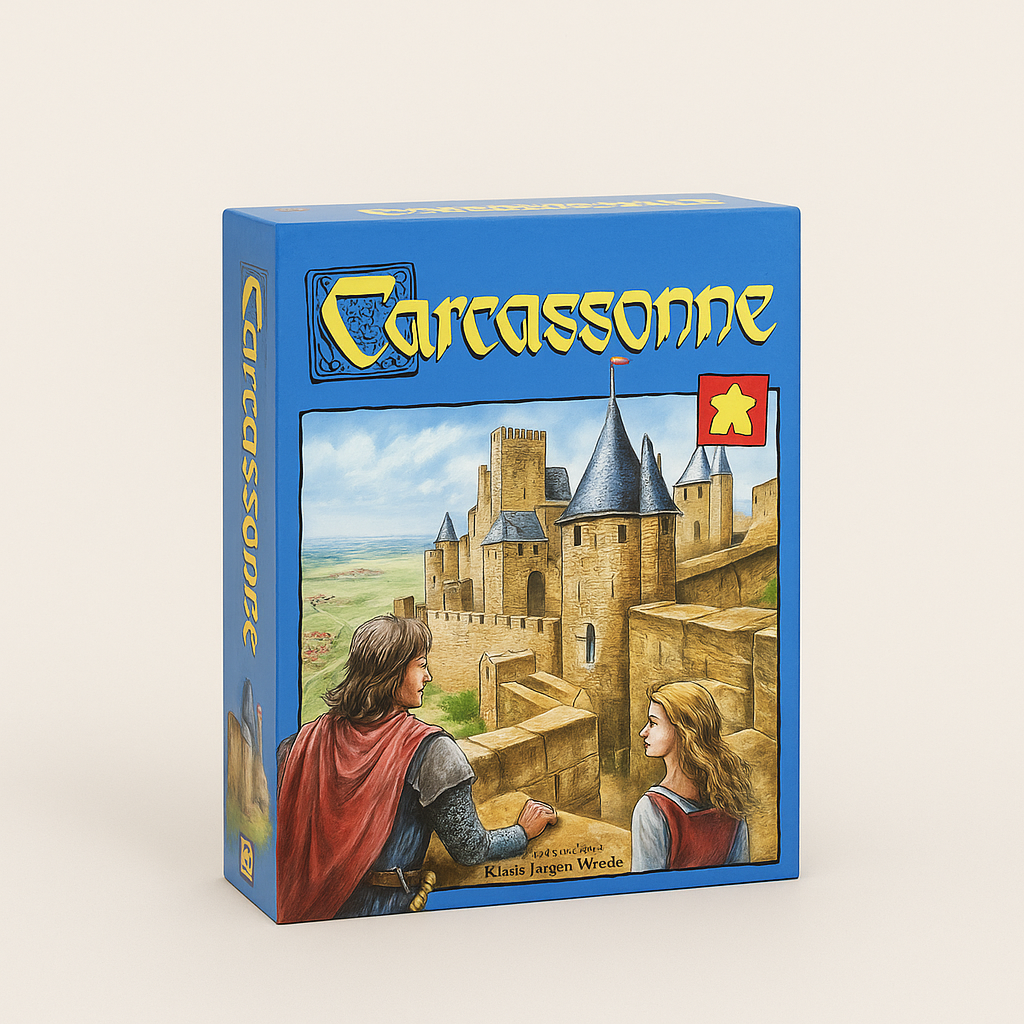 medium weight
Carcassonne
medium weight
Carcassonne
$35
Tile-placement game where you build a medieval landscape to score points.
Buy Carcassonne · $35 →Pick Catan if
Your group thrives on trading and negotiation with other players, Catan's social layer is its engine.
Pick Carcassonne if
You want a calmer, more focused game without trading, Carcassonne is competitive but quiet, each player focused on their own build.
The tradeoff.
Catan
Catan puts you on a newly settled island where you're building settlements, cities, and roads to accumulate victory points. On your turn, you roll dice to determine which hexagonal terrain tiles produce resources, wheat, sheep, brick, ore, and lumber. You then trade with other players or the bank to get the specific resources you need, then spend them to build. The core tension is elegant: you want to settle on productive hexes, but so do your opponents, and the dice determine everything. A single roll can make your carefully positioned settlements flourish or leave you resource-starved for a round.
What makes Catan special is how it creates genuine negotiation at the table. Unlike games where trading is mechanical, here you're cutting real deals: "I'll give you two sheep for that ore," with all the posturing and camaraderie that entails. The game generates memorable moments and table banter because your success depends partly on convincing others to trade with you rather than against you. The randomness keeps it from feeling like a puzzle with a solution, and the moderate length means even when someone pulls ahead, the game stays tense and winnable for everyone.
Best for: 3-4 Players, Family with Kids, Cabin Trip
Carcassonne
Carcassonne is a tile-placement game where players take turns drawing and positioning square tiles to collaboratively build a medieval landscape of cities, roads, monasteries, and fields. On each turn, you draw a tile, place it adjacent to existing ones, then optionally deploy a wooden follower onto that tile to claim a feature. Once a city is completed or a road finished, you score points and reclaim your follower. The elegance lies in its simplicity: every turn follows the same pattern, yet tactical decisions about placement and follower deployment create genuine tension between short-term point grabs and long-term positioning.
What distinguishes Carcassonne is how it generates interaction through passive competition rather than direct conflict. You're constantly evaluating whether to extend an opponent's nearly-finished city for points or block their expansion, forcing difficult risk-reward calculations. The landscape itself becomes a shared canvas that tells a story of medieval development, making the experience feel collaborative even though you're competing. Unlike heavier spatial games that demand exhausting calculation, it maintains a relaxed pace while rewarding clever tile interpretation and placement foresight. It simply plays well across its entire player range without feeling diluted.
Best for: Board Games for Beginners
These are editorial picks; publishers cannot pay to appear here. Amazon links fund the site, and if you'd rather buy local, find a store via BoardGameGeek.
Also worth considering.
Games that share contexts with both Catan and Carcassonne.
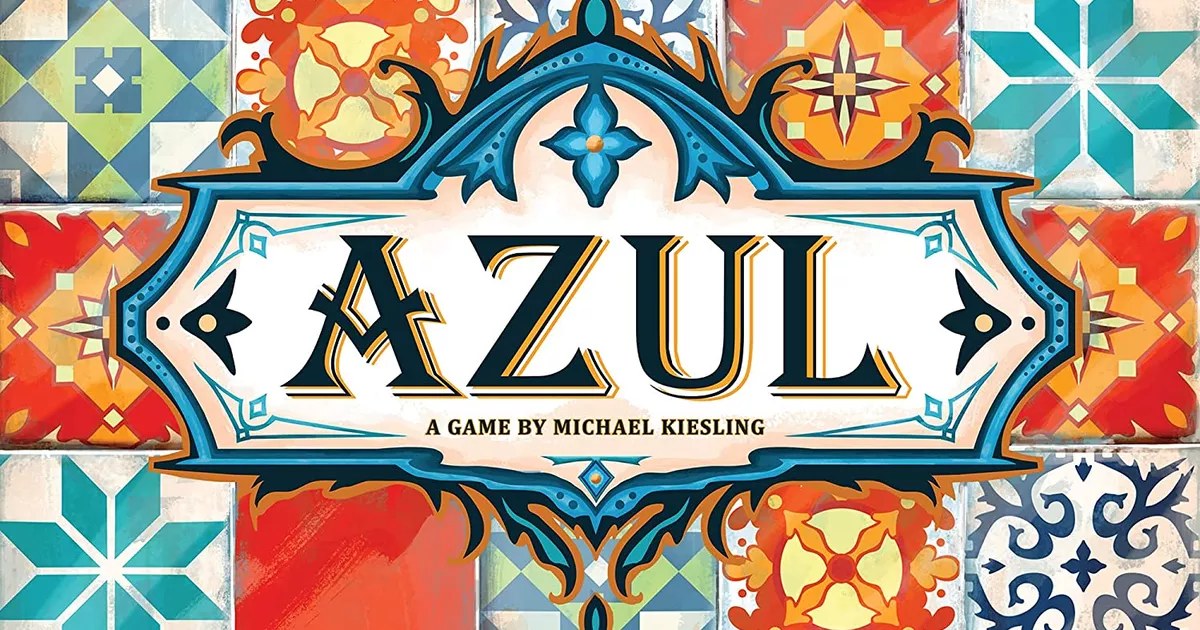
Pattern-laying tile game. Looks beautiful on the table. Teaches in five minutes.…
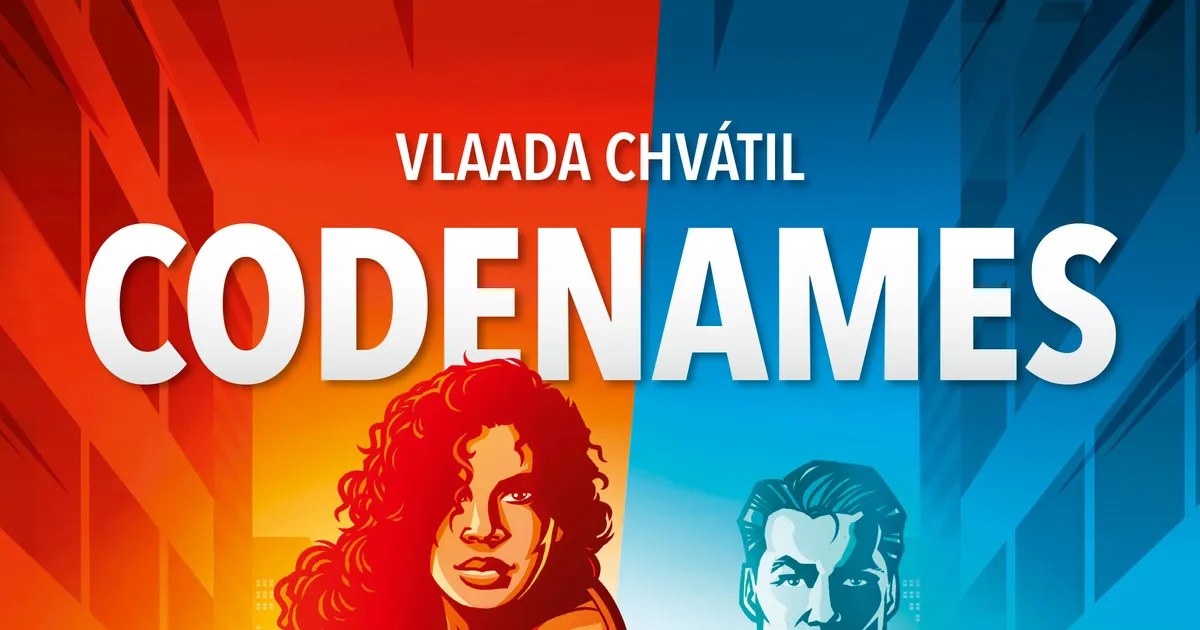
Word-association party game. Plays with grandparents, college kids, anyone in between.…
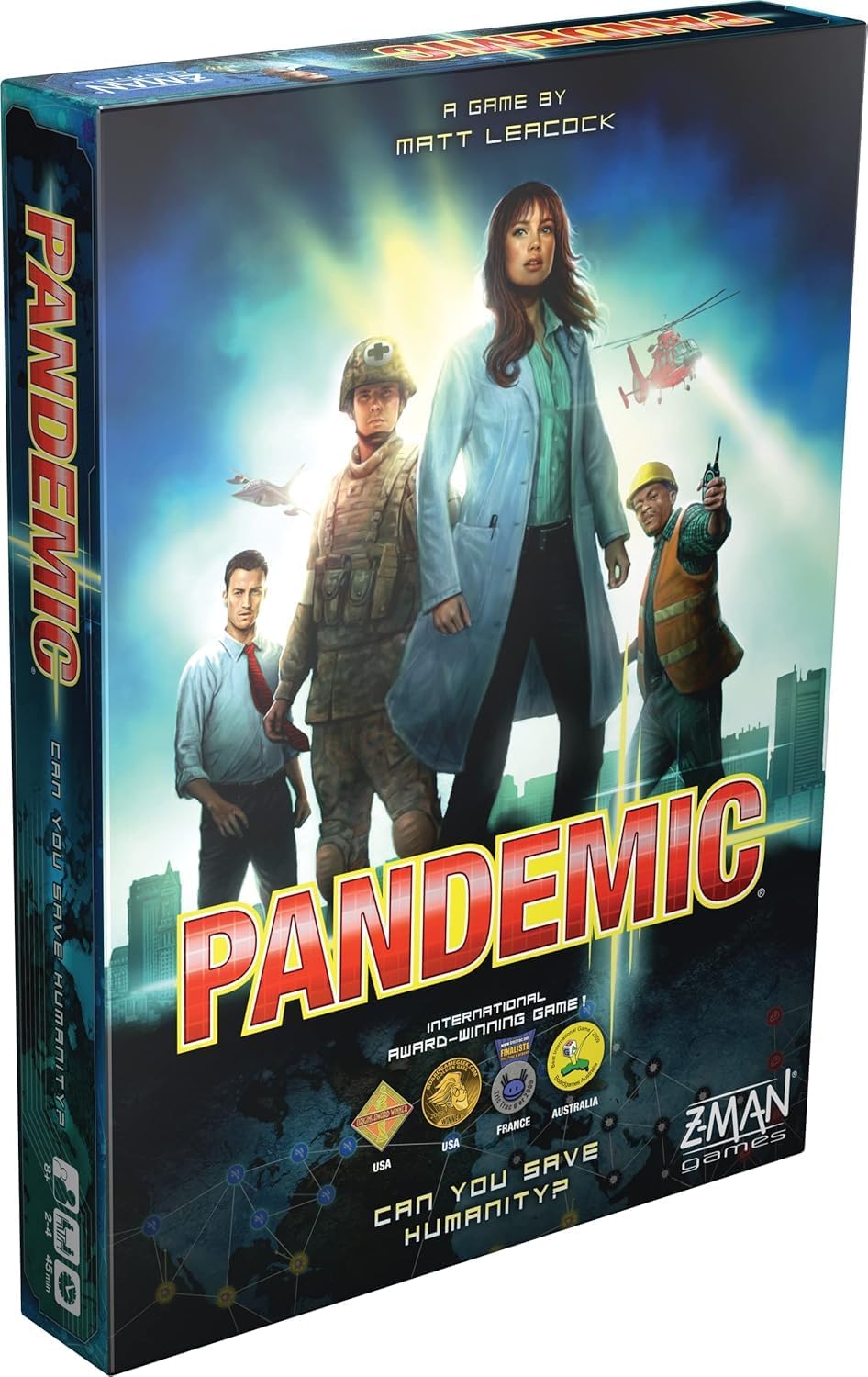
Cooperative classic. Save the world together. The game that converts non-gamers.…
Train routes across America. Five minutes to learn, plays for years.…