Head-to-head comparison
Dune: Imperium - Uprising vs Scythe
Dune: Imperium plays quicker, fights harder, and scales bigger. Scythe is calmer and more about long-term positioning. If your table likes conflict, Dune; if it likes planning, Scythe.
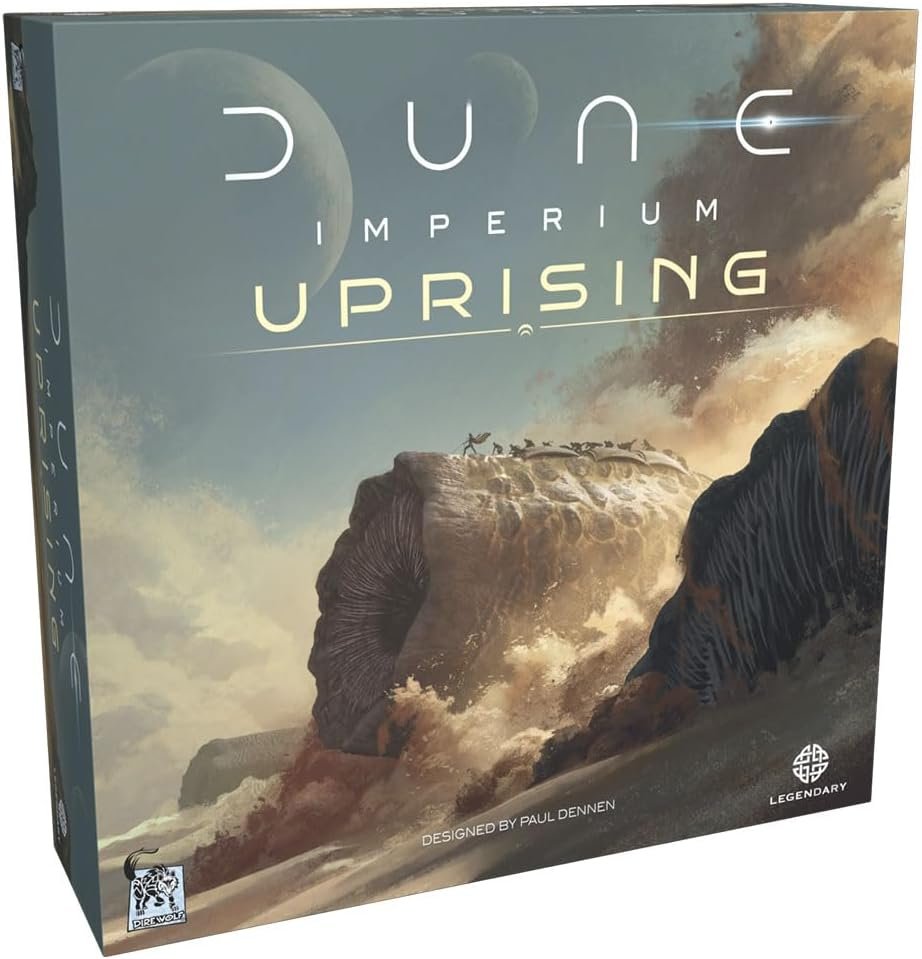 Medium weight
Dune: Imperium - Uprising
Medium weight
Dune: Imperium - Uprising
$60
Deck-building meets worker placement on Arrakis, now with spies, sandworms, and a real six-player team mode.
Buy Dune: Imperium - Uprising · $60 →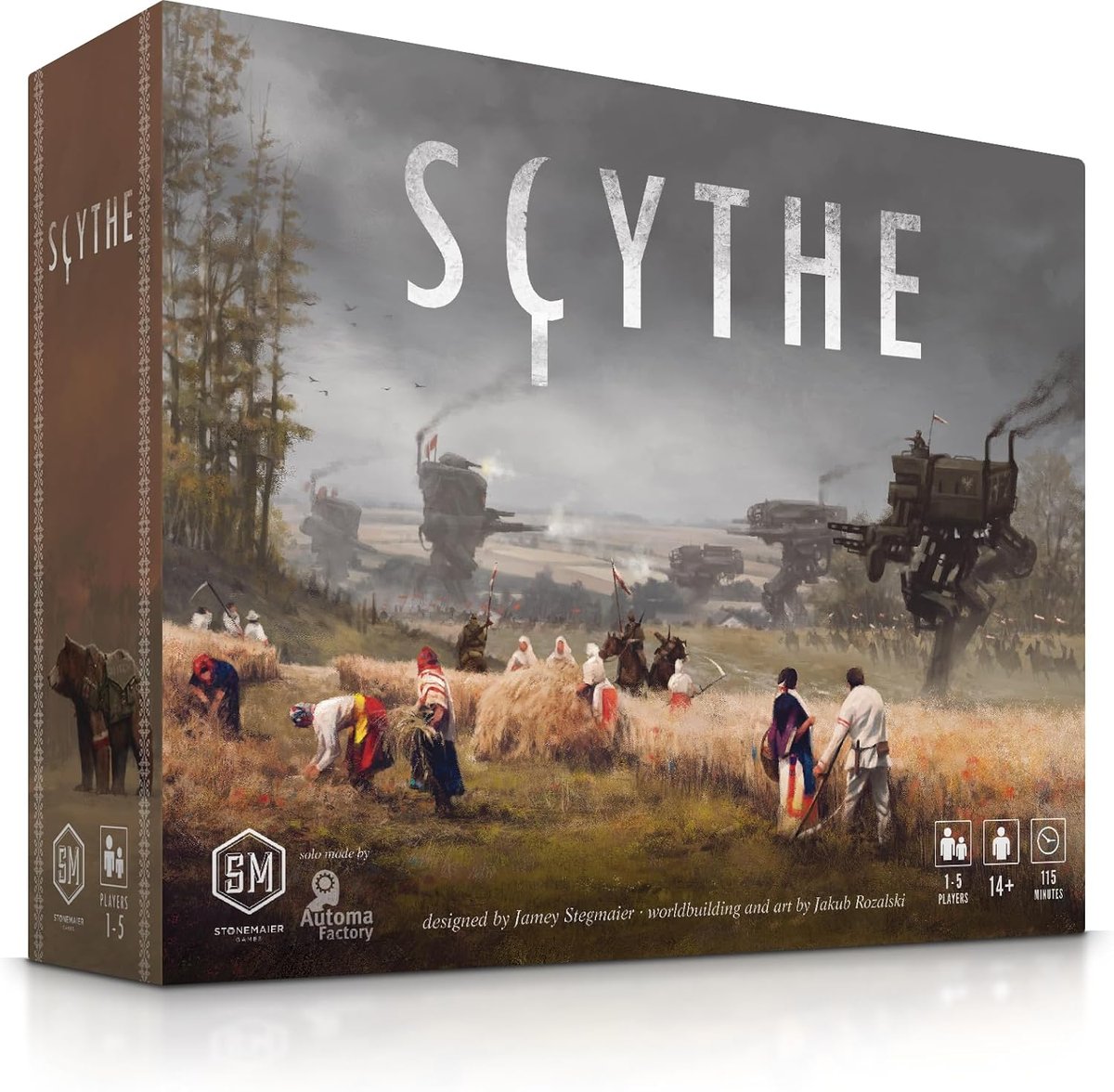 Heavy weight
Scythe
Heavy weight
Scythe
$90
Mechs, farms, and quiet menace across an alternate 1920s Europe. An engine builder wearing a war game's armor.
Buy Scythe · $90 →Pick Dune: Imperium - Uprising if
You want a faster, more interactive game: deck-building plus worker placement, real conflict every round, and 60 to 120 minutes for up to six players.
Pick Scythe if
You want a longer strategic build with less randomness, where the deck is not the engine and the map matters more; Scythe also plays solo with its Automa.
The tradeoff.
Dune: Imperium - Uprising
Dune: Imperium - Uprising is a deck-builder bolted to a worker-placement game, and the joint is seamless. Each turn you play one card from your hand to send an agent to a matching board space: gather spice, court one of the great factions, or draft new cards from a shared row. When your agents are spent, you take a reveal turn, flipping your remaining hand for buying power and military strength. Every round funnels into a conflict where committed troops fight over rewards, so economic development and open warfare pull on the same small hand of cards, and that tension never lets up. Uprising is the standalone sequel to Dune: Imperium, and it adds spies, who infiltrate board spaces and enable sharp tempo plays, plus sandworm riding for players bold enough to pay the cost. Both additions sharpen the knife rather than complicating it.
The headline feature is range. It plays one to six: a real solo mode against automated rivals, a tight and cutthroat game at three or four, and a genuine six-player mode played as two teams of three, which almost nothing at this weight offers. Sessions run 60 to 120 minutes and the decisions stay tense the whole way through. The flaws are real but modest. Conflict rewards can swing hard, the six-player game adds noise and length, and if you already own the original Dune: Imperium this replaces it rather than complementing it, which stings a little at 60 dollars. It sits at the heavy end of medium weight, asking for full attention without demanding a rules seminar. For a strategy night crew that wants drama with its efficiency, this is one of the safest buys of the last few years, and its BoardGameGeek rating backs that up.
Best for: Epic Evening, 5+ Players, Solo
Scythe
Scythe is an engine building and area control game set in an alternate 1920s Europe of mechs and farmland. Each player gets an asymmetric faction and a separate player mat, and the combination defines your whole game. On your turn you move your action token to one of four sections of your mat and take its top action, such as moving units, producing resources, trading, or bolstering power, then optionally pay for the bottom action printed beneath it, like deploying a mech, building a structure, enlisting a recruit, or upgrading. You cannot pick the same section two turns in a row, so the game becomes a rhythm exercise: sequencing top actions so your bottom row engine fires as often as possible while upgrades steadily drop its costs. Stars mark achievements, the sixth star placed by anyone ends the game on the spot, and final scoring counts stars, territory, and resources, scaled by your popularity standing.
Understand what Scythe is before buying: the mechs and the brooding military art promise a war game, and it is not one. Combat exists, it is expensive, and most sessions contain only a handful of fights. This is a logistics and timing game wearing armor, closer in spirit to an efficiency focused euro than to a battle map brawl, and players who buy it for constant conflict routinely bounce off. Players who want to quietly assemble a terrifying economy, then end the game before the table realizes it is ending, adore it, which is why it has held a place near the top of the BoardGameGeek rankings for a decade.
Best for: Epic Evening, Solo, Strategy Night
These are editorial picks; publishers cannot pay to appear here. Amazon links fund the site, and if you'd rather buy local, find a store via BoardGameGeek.
Also worth considering.
Games that share contexts with both Dune: Imperium - Uprising and Scythe.

Birds, engine-building, exquisite art. Plays light enough for casual nights, deep enough for repeat play.…
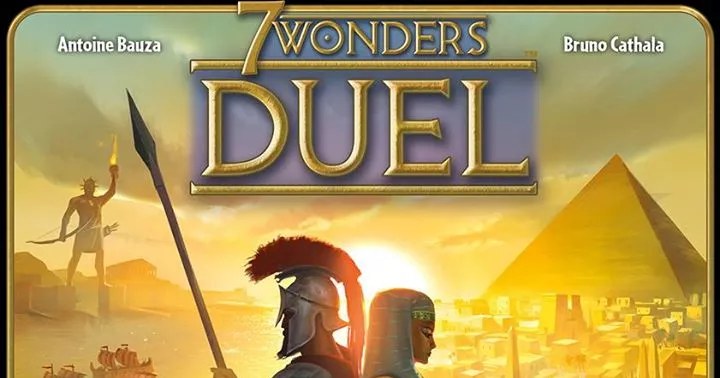
The two-player version that's actually better than the original. Tense, every choice matters.…

Reverse-colonialism cooperative. The thinky version of Pandemic. Endless replayability.…
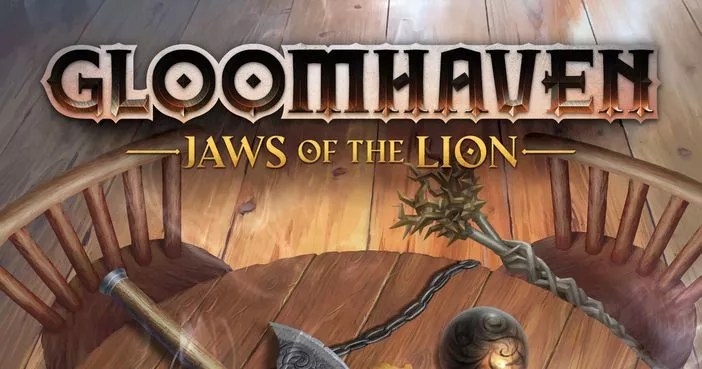
The best campaign-game starter. Self-contained Gloomhaven with built-in tutorial.…