Head-to-head comparison
Point Salad vs Splendor
Point Salad is looser and faster; Splendor has a tighter engine-building arc.
 Light weight
Point Salad
Light weight
Point Salad
$15
Drafting card game with vegetables. Plays in 30, teaches in 3. Surprisingly deep.
Buy Point Salad · $15 →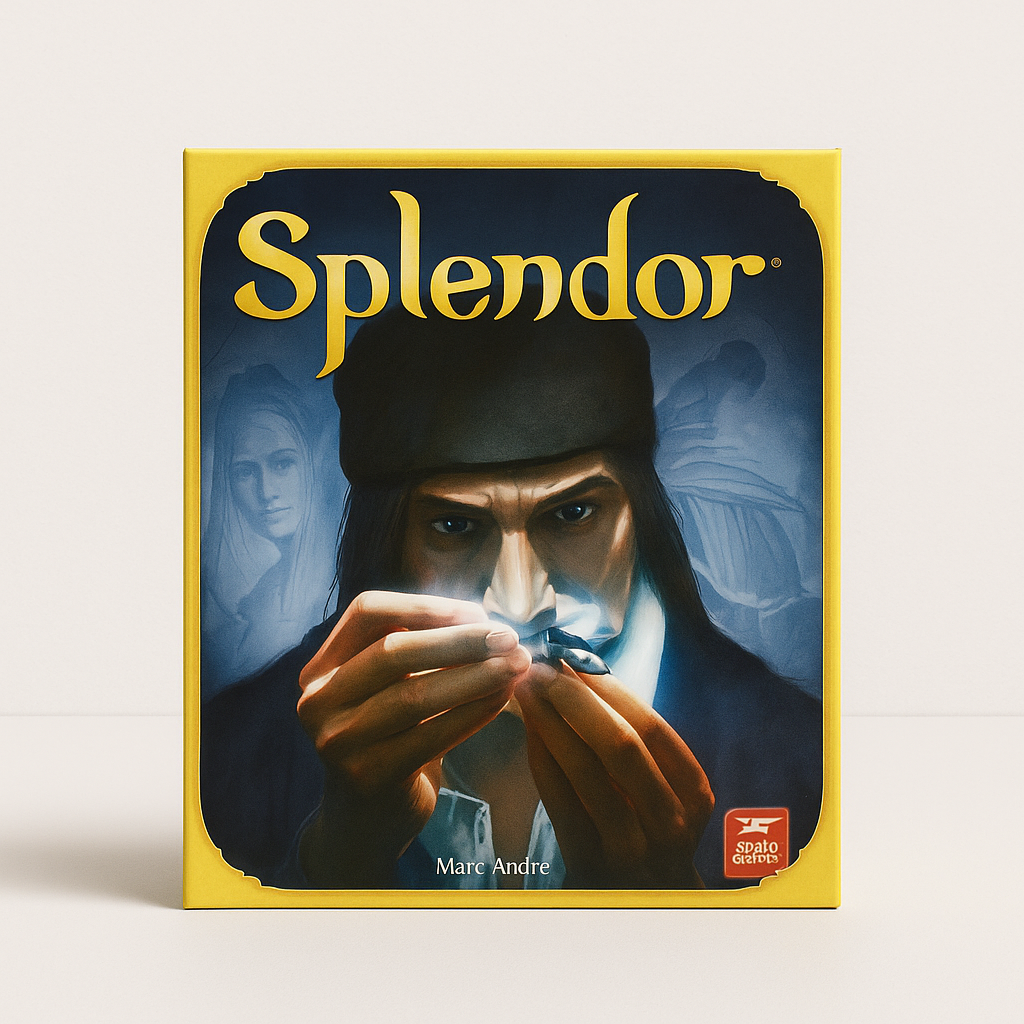 Light weight
Splendor
Light weight
Splendor
$35
Gem-trading engine builder. Plays in 30 minutes, scales clean from 2 to 4.
Buy Splendor · $35 →Pick Point Salad if
You want a 20-30 minute filler that's easy to teach and rewards flexible scoring strategy.
Pick Splendor if
You want a 30-40 minute engine-builder that feels more strategic and builds toward a satisfying gem economy.
The tradeoff.
Point Salad
Point Salad is a simultaneous drafting game where players build vegetable collections to score points. Each turn, one player reveals two cards from the deck while everyone else chooses which one to take. The twist is that scoring cards come in two types: vegetable cards worth points based on how many you collect, and scoring cards that reward specific combinations. You're constantly weighing immediate gratification against long-term strategy, deciding whether to grab that carrot you need or block an opponent from completing their lettuce set. Turns move quickly, and the whole experience feels like organized chaos in the best way.
What makes Point Salad stand out among light drafting games is how it manufactures meaningful decisions despite its simplicity. The scoring system creates genuine tension, some vegetables are only worth points if you have lots of them, while others reward quantity over quality. You'll find yourself at the table genuinely torn on every single turn, and your opponents will constantly surprise you by pivoting toward unexpected vegetable strategies. The game plays equally well at two players or five, and there's real satisfaction in executing a long-con strategy where you quietly accumulate tomatoes while everyone assumes you're going after the peppers.
Best for: 3-4 Players, 5+ Players, Family with Kids
Splendor
Splendor is a straightforward deck-building game about Renaissance gem merchants acquiring stones and hiring nobles to expand their trading empire. Each turn, you perform one action: collect three gems of different colors, take two of the same gem, reserve a card for later, or purchase a card using gems you've collected. Cards represent gem mines and nobles, and purchasing them both generates income for future turns and advances you toward victory points. The elegant loop repeats until someone reaches fifteen points, typically within thirty minutes.
What distinguishes Splendor from other light engine-builders is its immediacy and social friction. There's no hidden information, so players constantly threaten each other's plans, stealing the gems you need, snatching the card you were saving toward, or blocking access to a powerful noble. The tension feels earned rather than random, and the game rewards both long-term planning and tactical flexibility. Players who enjoy the satisfaction of watching their engine tick smoothly will appreciate how quickly your purchasing power compounds once you've invested in the right mines.
Best for: Two Players, 3-4 Players, Family with Kids
These are editorial picks; publishers cannot pay to appear here. Amazon links fund the site, and if you'd rather buy local, find a store via BoardGameGeek.
Also worth considering.
Games that share contexts with both Point Salad and Splendor.

Birds, engine-building, exquisite art. Plays light enough for casual nights, deep enough for repeat play.…

Pattern-laying tile game. Looks beautiful on the table. Teaches in five minutes.…

The two-player version that's actually better than the original. Tense, every choice matters.…

Word-association party game. Plays with grandparents, college kids, anyone in between.…