Head-to-head comparison
The Quacks of Quedlinburg vs Camel Up
Quacks is the deeper push-your-luck game and rewards repeat plays; Camel Up is the sillier, faster one that works with anyone. Family game night, Quacks. Party, Camel Up.
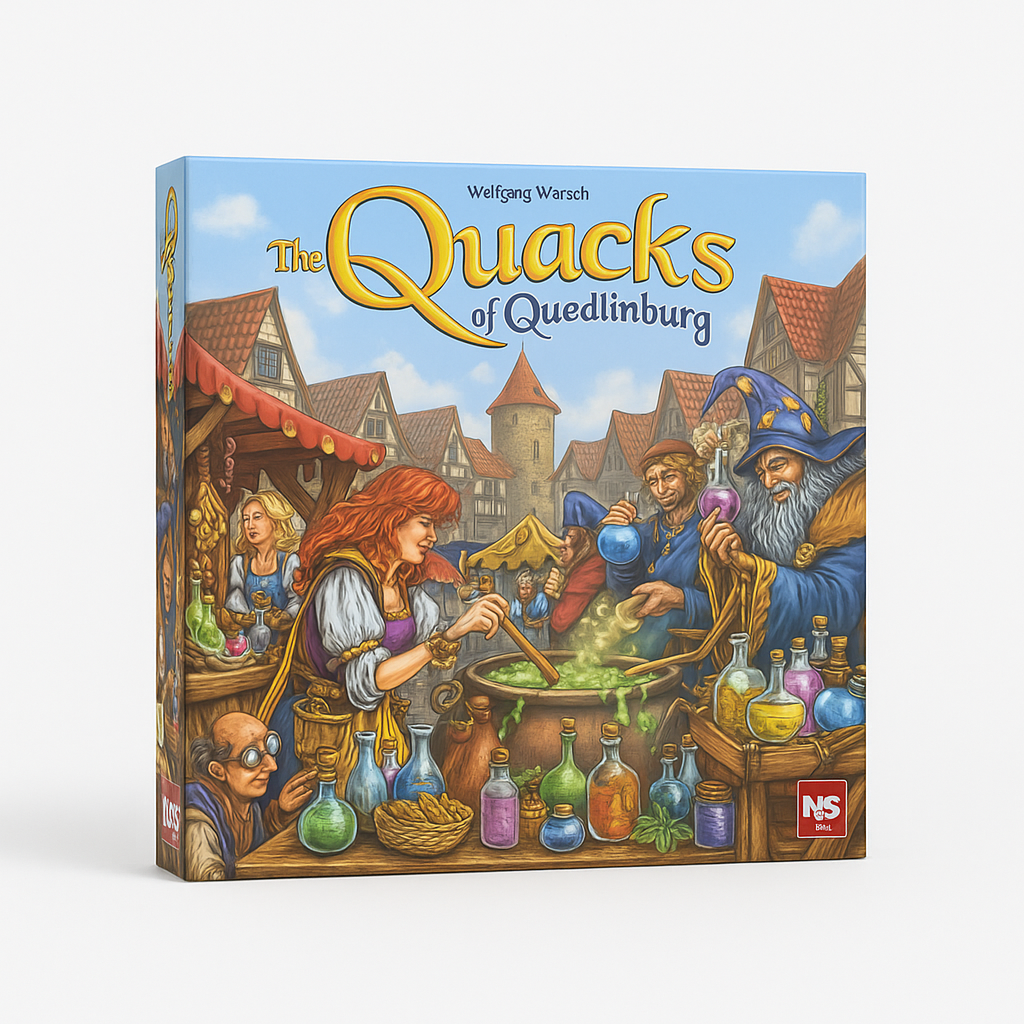 Medium weight
The Quacks of Quedlinburg
Medium weight
The Quacks of Quedlinburg
$100.24
Push-your-luck bag-builder. Tense, joyful, scales clean to four.
Buy The Quacks of Quedlinburg · $100.24 →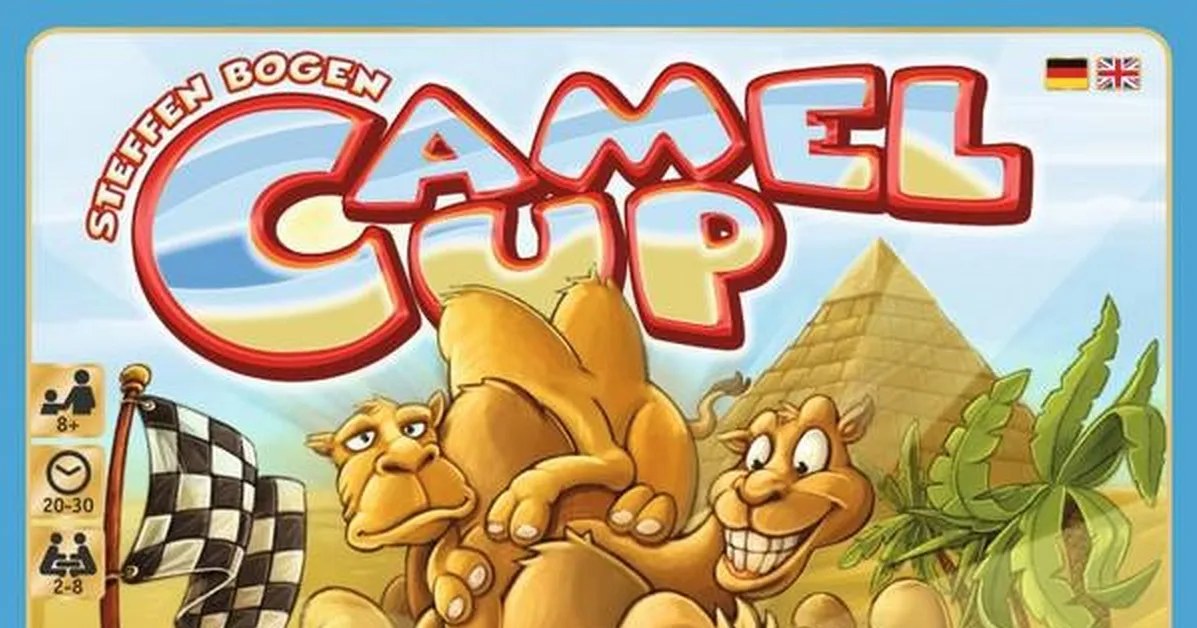 Light weight
Camel Up
Light weight
Camel Up
$41.98
Bet on racing camels. Riotous, light, plays loud. The party-night pick.
Buy Camel Up · $41.98 →Pick The Quacks of Quedlinburg if
You want push-your-luck with progression: draw ingredients from your bag, decide when to stop before it explodes, and improve the bag between rounds.
Pick Camel Up if
You want push-your-luck as pure betting: no engine, no bag, just a camel race and the nerve to bet early.
The tradeoff.
The Quacks of Quedlinburg
The Quacks of Quedlinburg is a push-your-luck bag-building game where players take on the role of medieval potion makers pulling colored ingredient tokens from their personal bags. Each round, you draw tokens blindly and arrange them on your potion board, trying to create the highest-scoring combination without busting your cauldron. The push-your-luck decision happens repeatedly within a single turn: do you stop now with a decent potion, or keep drawing for something bigger, risking an explosion that leaves you with nothing? Between rounds, you spend your earnings to add new token types to your bag, gradually customizing your deck toward your chosen strategy.
What distinguishes Quacks from other medium-weight games is the palpable tension paired with genuine joy at the table. There's no downtime while others take their turns since everyone's pulling simultaneously, and the moment someone busts creates a shared laugh rather than a victim's frustration. The scaling is remarkable too, it plays equally well at two players or four without requiring variant rules. The push-your-luck mechanism feels pure and unforgiving in the best way: your decisions matter, the randomness never feels like it's cheating, and comebacks are possible through clever bag construction.
Best for: Two Players, 3-4 Players, Family with Kids
Camel Up
Camel Up asks players to bet on which colored camel will win a race around a pyramid track. Each turn, you either place a money token on a camel to predict its finishing position, or you pay to roll a die that moves one of the five camels forward. The brilliant twist is that camels can stack on top of each other, and when a lower camel moves, it carries any camels stacked above it along for the ride. This creates a constant flux of fortunes, the camel you thought was winning suddenly gets buried under two others and plummets backward. Players earn money by correctly predicting outcomes, and whoever has the most cash when a camel crosses the finish line wins.
What separates Camel Up from other light betting games is the physical comedy baked into its core mechanic. Watching the camel pyramid shift and collapse generates genuine surprise and laughter, because the game state remains visually legible even as it becomes chaotic. Players can actually see why their prediction failed rather than feeling victimized by invisible probability. The Egyptian aesthetic and the absurdist humor, you're literally betting on stacked camels, gives it personality that more generic roll-and-move games lack. It's the rare light game that creates real table moments rather than just passing time.
Best for: 5+ Players, Family with Kids, Holiday Gathering
These are editorial picks; publishers cannot pay to appear here. Amazon links fund the site, and if you'd rather buy local, find a store via BoardGameGeek.
Also worth considering.
Games that share contexts with both The Quacks of Quedlinburg and Camel Up.
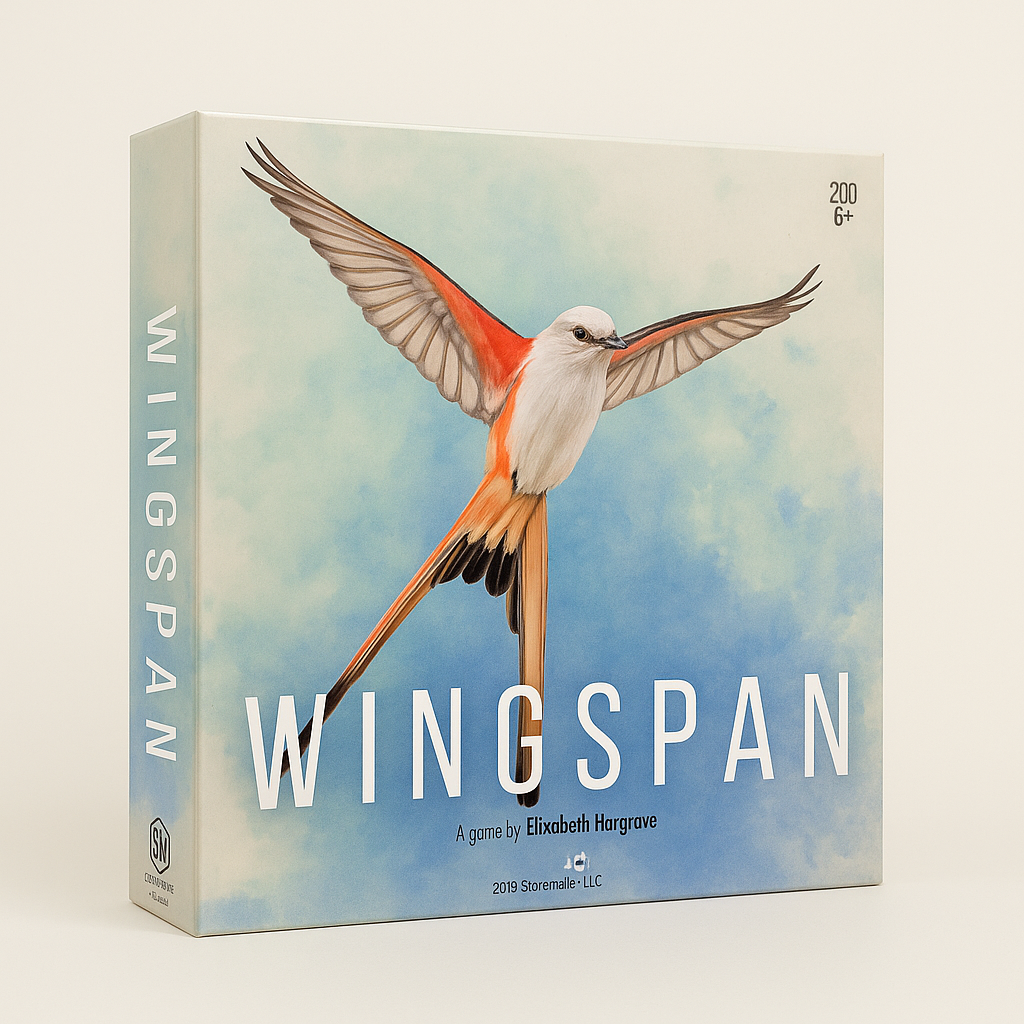
Birds, engine-building, exquisite art. Plays light enough for casual nights, deep enough for repeat play.…
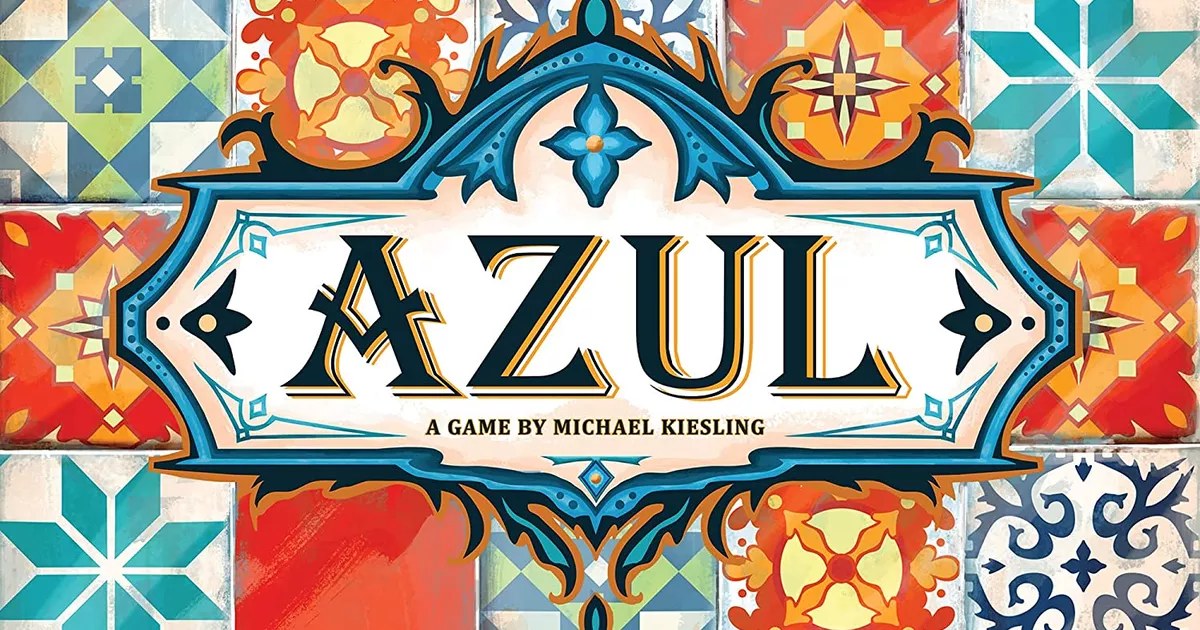
Pattern-laying tile game. Looks beautiful on the table. Teaches in five minutes.…

Word-association party game. Plays with grandparents, college kids, anyone in between.…
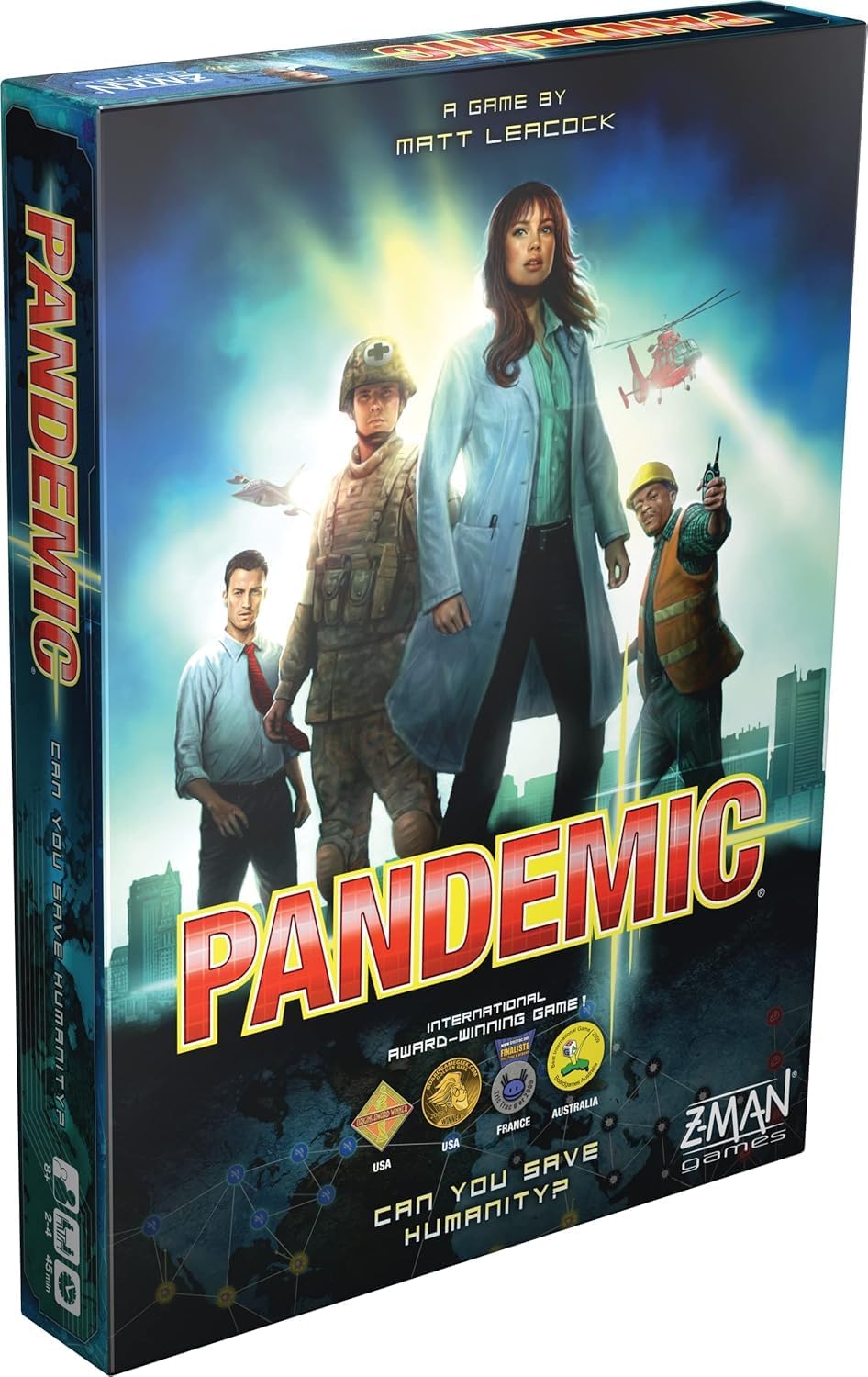
Cooperative classic. Save the world together. The game that converts non-gamers.…