Head-to-head comparison
Rebirth vs Cascadia
Rebirth is the more interactive newcomer; Cascadia is the proven solo-friendly puzzle. Groups that like a little conflict, Rebirth. Families and solo players, Cascadia.
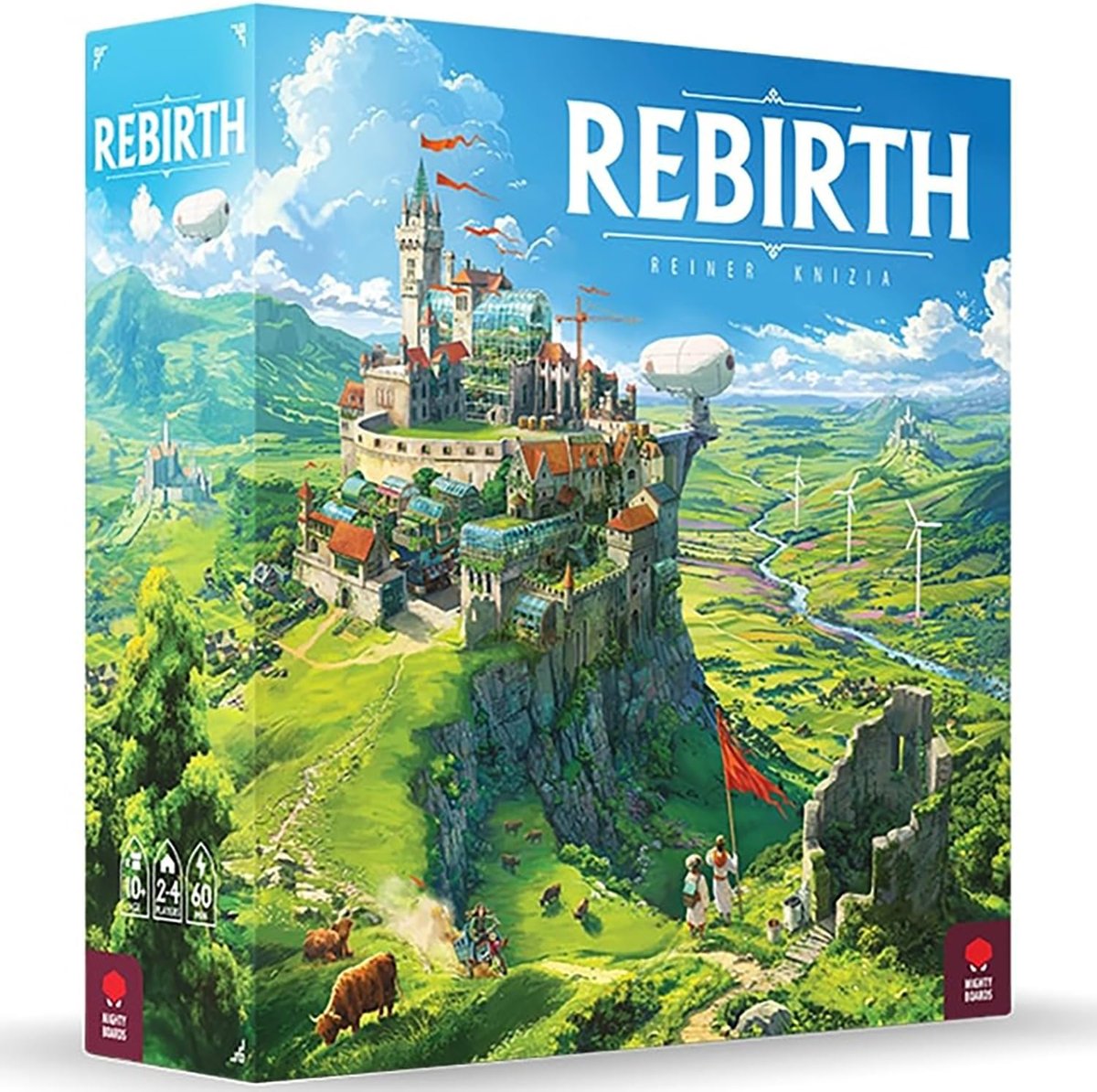 Medium weight
Rebirth
Medium weight
Rebirth
$42
Knizia at his cleanest: place a tile, score it, draw again, and somehow the whole map becomes a knife fight.
Buy Rebirth · $42 →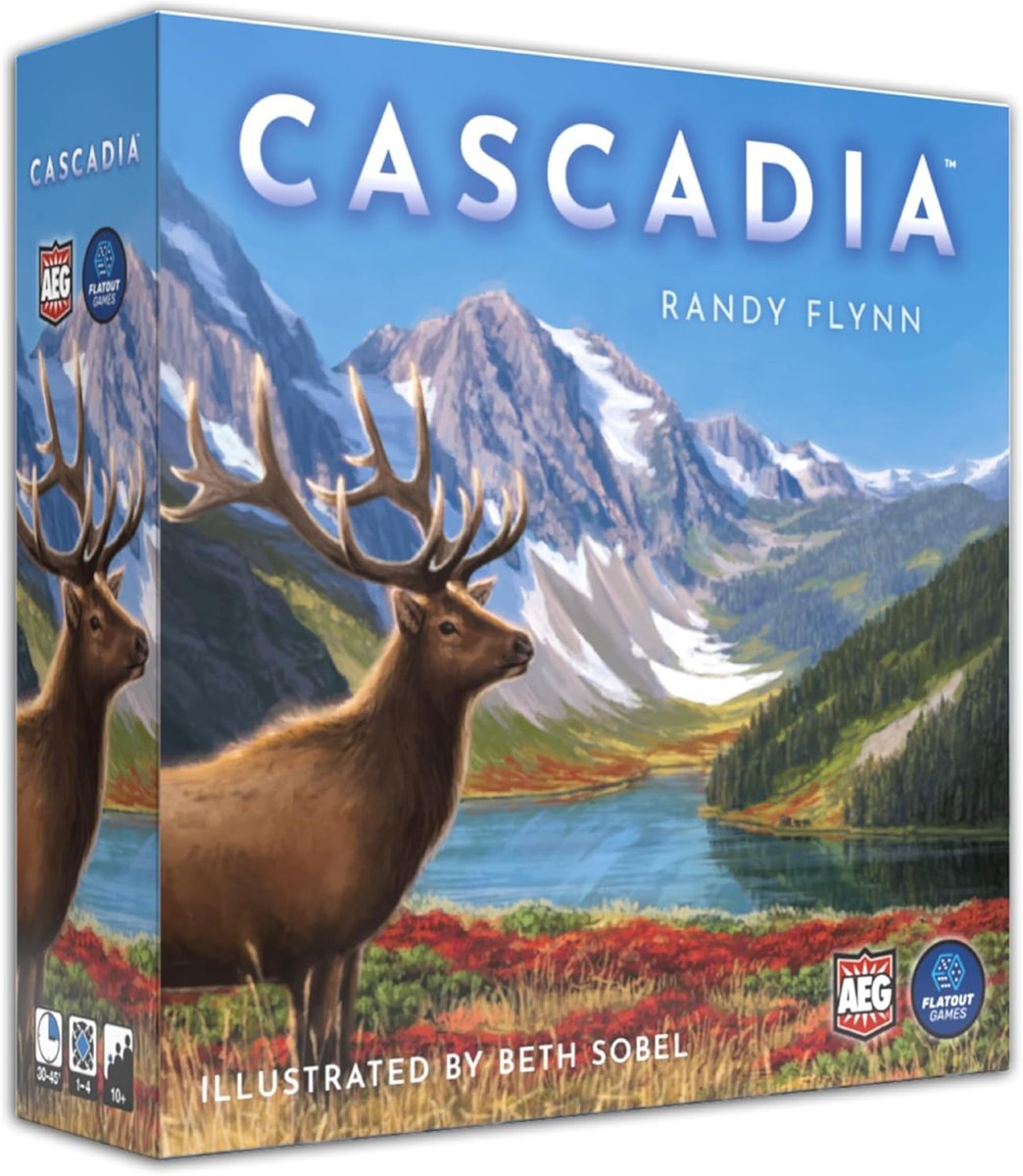 Light weight
Cascadia
Light weight
Cascadia
$37.4
A calm, puzzly tile layer about wildlife and watersheds that plays as well solo as it does with family.
Buy Cascadia · $37.4 →Pick Rebirth if
You want a Knizia tile game with area-majority tension: placing tiles on a shared map to claim regions, with a bit more interaction and a very quick teach.
Pick Cascadia if
You want the personal-puzzle version where everyone builds their own landscape and the wildlife scoring cards change each game.
The tradeoff.
Rebirth
Rebirth is Reiner Knizia doing what he does best: a turn so simple it barely needs teaching, sitting on top of decisions that get harder every round. You hold a single tile. On your turn you place it on the board, score it immediately, and draw a new one. Tiles show houses, food farms, and energy farms, and the board is covered in matching symbols. Place a farm adjacent to other same-type tiles in your color and you score for the whole connected group, so chains snowball. Fortresses are the other battleground: each one you secure pays five points at the end of every round, which turns the map into a slow-motion territorial brawl. The board is double-sided, and the two maps are genuinely different games: Scotland deals hidden personal objectives, while Ireland posts public tiered goals that everyone races toward openly.
This won the Kennerspiel des Jahres 2026, and it is easy to see what the jury saw. The flow is almost meditative, place, score, draw, yet every placement is a contested read of the board: extend your own chain, deny an opponent's, or grab fortress position before the round closes. It plays in about 45 minutes, teaches in five, and the accessible-rules-hard-choices profile makes it one of those rare games that works for a visiting parent and a strategy group in the same week.
Best for: Two Players, 3-4 Players, Strategy Night
Cascadia
Cascadia is a tile laying and token drafting game about assembling Pacific Northwest ecosystems. The central market offers four pairs, each a hexagonal habitat tile matched with a wildlife token. On your turn you take one pair, add the tile to your growing personal map, and place the animal token on a legal tile. Habitats score for your largest connected corridor of each terrain type, while each of the five animals scores by a pattern card drawn at setup, a different combination every game, so the same species wants something new from night to night. Nature tokens, earned on certain tiles, let you break the market pairing and take the tile and animal you actually want. Turns take seconds: take, place, place, done.
Cascadia won the 2022 Spiel des Jahres, and it is easy to see why the jury landed here. It is the gentlest on ramp to spatial puzzle games in years, teaching in ten minutes and playing in thirty to forty five, yet the swappable scoring cards keep it interesting for experienced players far longer than a box this friendly has any right to be. It is also one of the best solo packages in its weight class, with a scenario based solo mode that gives a lone player a long ladder of distinct challenges rather than a single beat your score exercise. The calm is the point: nobody attacks anyone, downtime is near zero, and the finished map looks like a nature documentary still.
Best for: Solo, Cabin Trip, Family with Kids
These are editorial picks; publishers cannot pay to appear here. Amazon links fund the site, and if you'd rather buy local, find a store via BoardGameGeek.
Also worth considering.
Games that share contexts with both Rebirth and Cascadia.
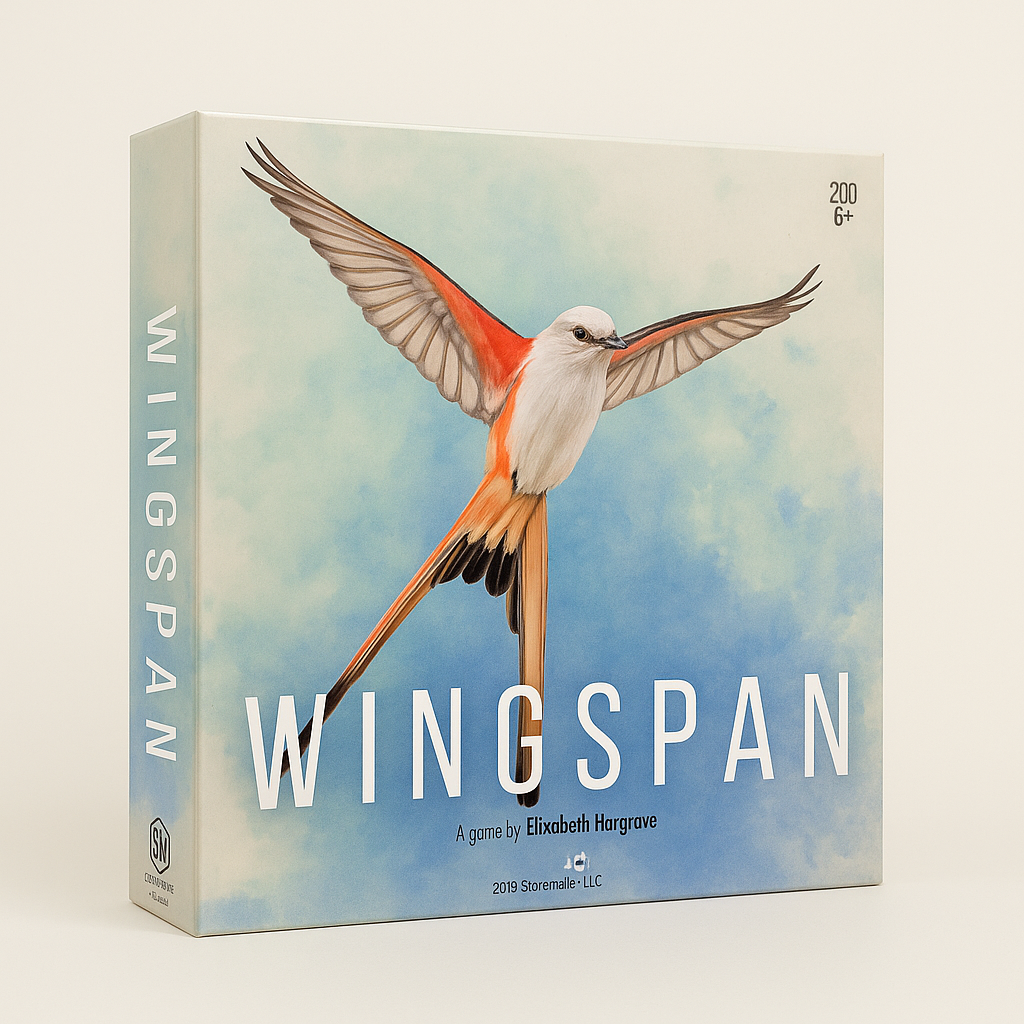
Birds, engine-building, exquisite art. Plays light enough for casual nights, deep enough for repeat play.…
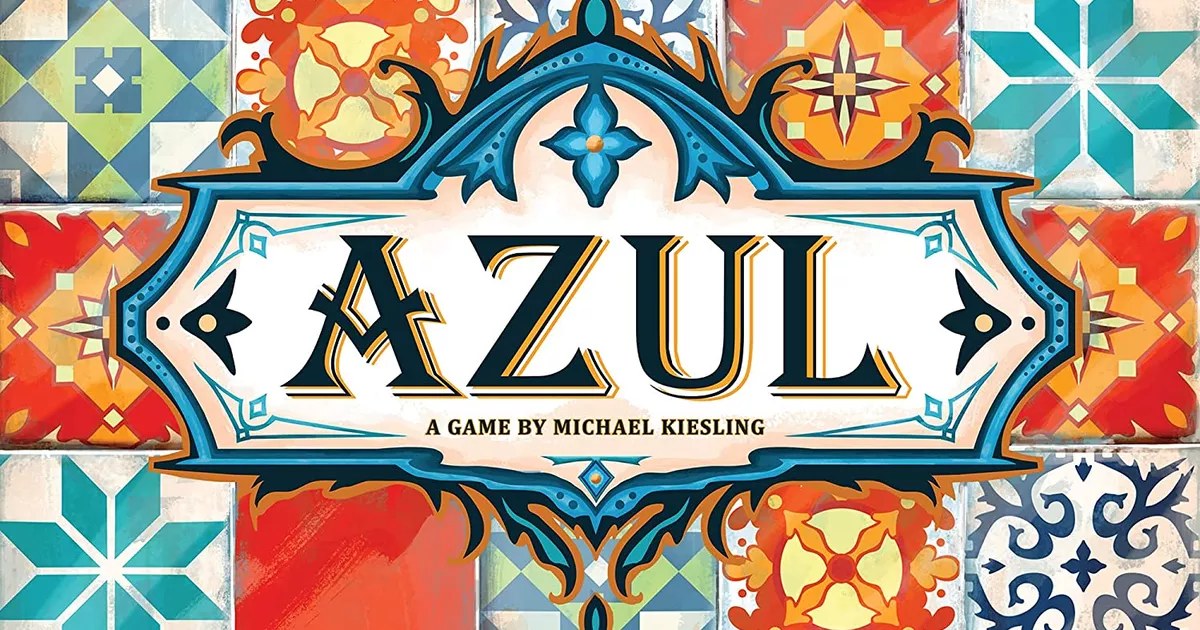
Pattern-laying tile game. Looks beautiful on the table. Teaches in five minutes.…
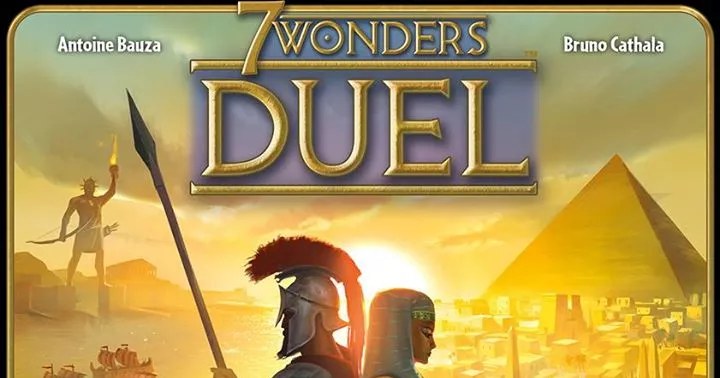
The two-player version that's actually better than the original. Tense, every choice matters.…
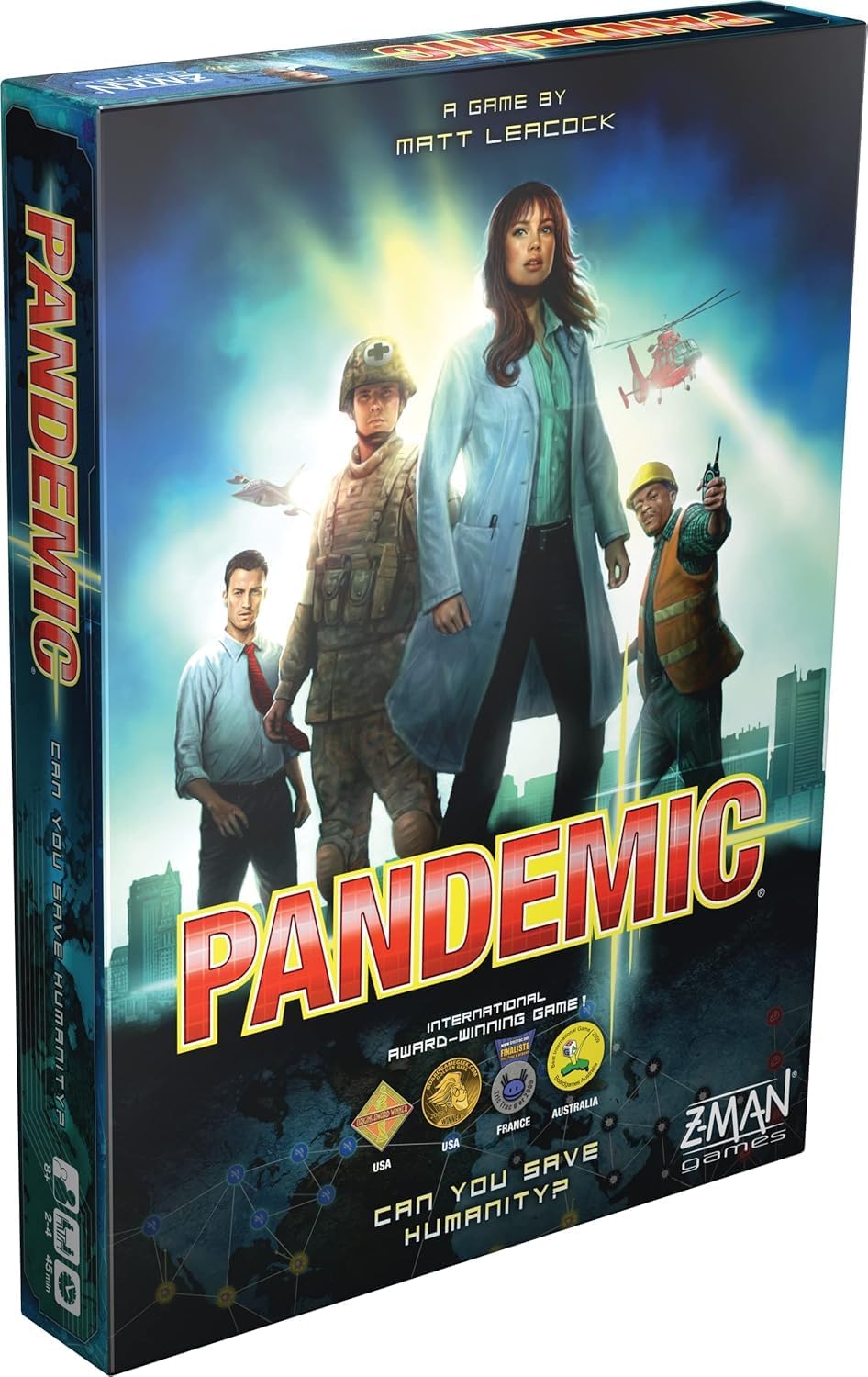
Cooperative classic. Save the world together. The game that converts non-gamers.…