Head-to-head comparison
Spirit Island vs Root
Both are complex asymmetric games. Spirit Island is cooperative; Root is competitive. Both reward dedicated players.
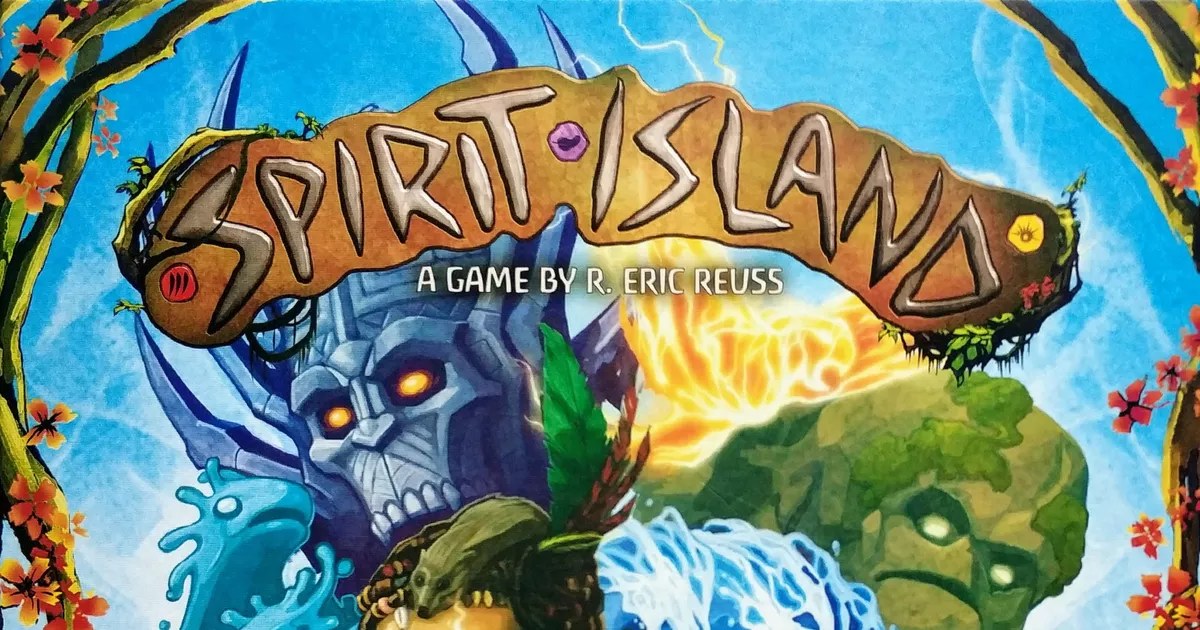 Heavy weight
Spirit Island
Heavy weight
Spirit Island
$80
Reverse-colonialism cooperative. The thinky version of Pandemic. Endless replayability.
Buy Spirit Island · $80 →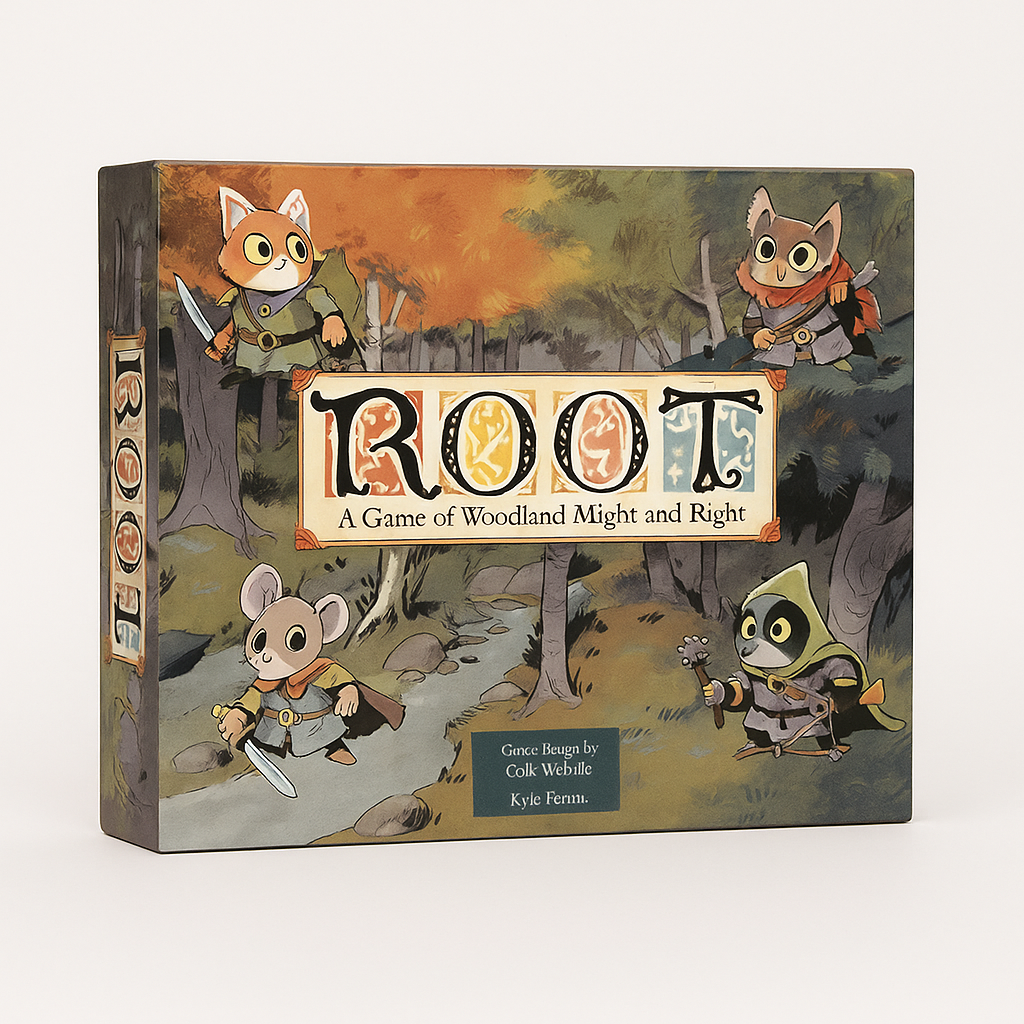 Heavy weight
Root
Heavy weight
Root
$60
Asymmetric forest war game. Each faction plays completely differently. Deep.
Buy Root · $60 →Pick Spirit Island if
You want the most complex cooperative game in the hobby, dozens of unique spirits, powers, and island configurations.
Pick Root if
You want complex asymmetry in a competitive format, each Root faction has completely different rules and win conditions.
The tradeoff.
Spirit Island
Spirit Island casts players as elemental spirits defending an island from colonial invaders. Each turn, you'll play cards representing your spirit's powers, allocate energy to fuel them, and then watch as invaders build settlements and towns across the map. The core loop is satisfying: you're constantly weighing limited resources against escalating threats, deciding whether to prevent future growth or obliterate present dangers. Your actions resolve simultaneously, which creates genuine tension since you can't react to what others do mid-turn. The invader deck advances relentlessly, creating a pressure cooker where poor planning in round two becomes catastrophe by round four.
What separates Spirit Island from the crowded cooperative genre is its asymmetry and the puzzle-like depth of each spirit's unique powers. Playing as a river spirit plays nothing like playing as a plant spirit, and discovering fresh synergies across forty different spirit combinations gives real longevity to the experience. The game respects your intelligence completely, there's no randomness hiding behind bad decisions, only consequences for underestimating the colonizers or miscalculating your power economy. Victory tastes earned rather than lucky, and losses sting with clarity about what went wrong. Veterans of Pandemic will recognize the cooperative skeleton, but the mechanical sophistication here operates on another level entirely.
Best for: Solo, Two Players, Cooperative
Root
Root presents a woodland conflict where each faction operates under completely different rules and victory conditions. The Marquise de Cat builds wooden structures and controls territory through straightforward military might. Meanwhile, the Woodland Alliance spreads sympathy tokens and converts supporters through grassroots revolt. The Vagabond plays solo, completing quests for allies and items. The Riverfolk Company (fourth faction) controls trade and economy. Rather than a unified turn structure, each player's turn feels like a different game entirely, with their own action sequences, resource systems, and strategic rhythms that barely interact until combat erupts.
What separates Root from other heavy asymmetric games is how genuinely different the player experience becomes. Playing as the Cat feels like traditional territory control, but as the Alliance you're organizing political movements. This isn't cosmetic flavor applied to identical mechanics, it's structural divergence that creates fascinating emergent situations where no two playthroughs resemble each other. The table develops its own narrative tension because players are literally speaking different strategic languages. Fans of games like Spirit Island or Cosmic Encounter who crave asymmetry find themselves completely absorbed by Root's faction depth and the puzzle of learning multiple rule sets simultaneously.
Best for: 3-4 Players, Strategy Night, Epic Evening
These are editorial picks; publishers cannot pay to appear here. Amazon links fund the site, and if you'd rather buy local, find a store via BoardGameGeek.
Also worth considering.
Games that share contexts with both Spirit Island and Root.
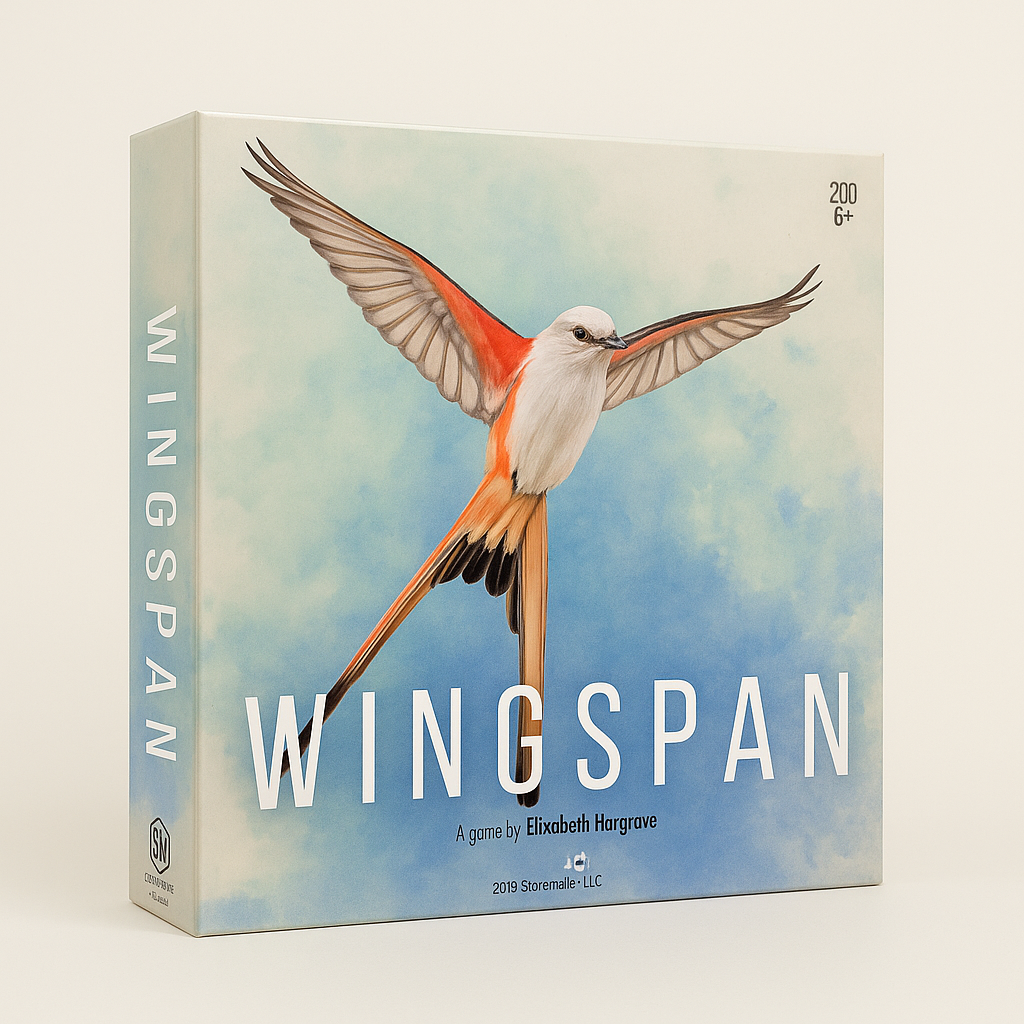
Birds, engine-building, exquisite art. Plays light enough for casual nights, deep enough for repeat play.…
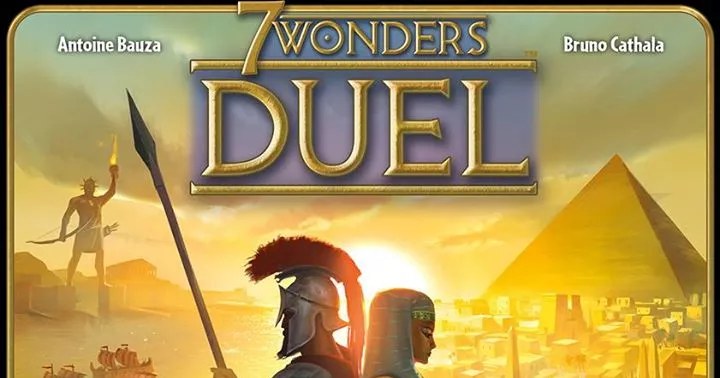
The two-player version that's actually better than the original. Tense, every choice matters.…
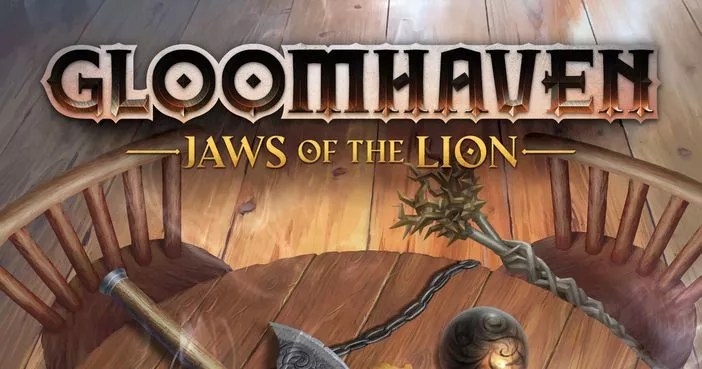
The best campaign-game starter. Self-contained Gloomhaven with built-in tutorial.…
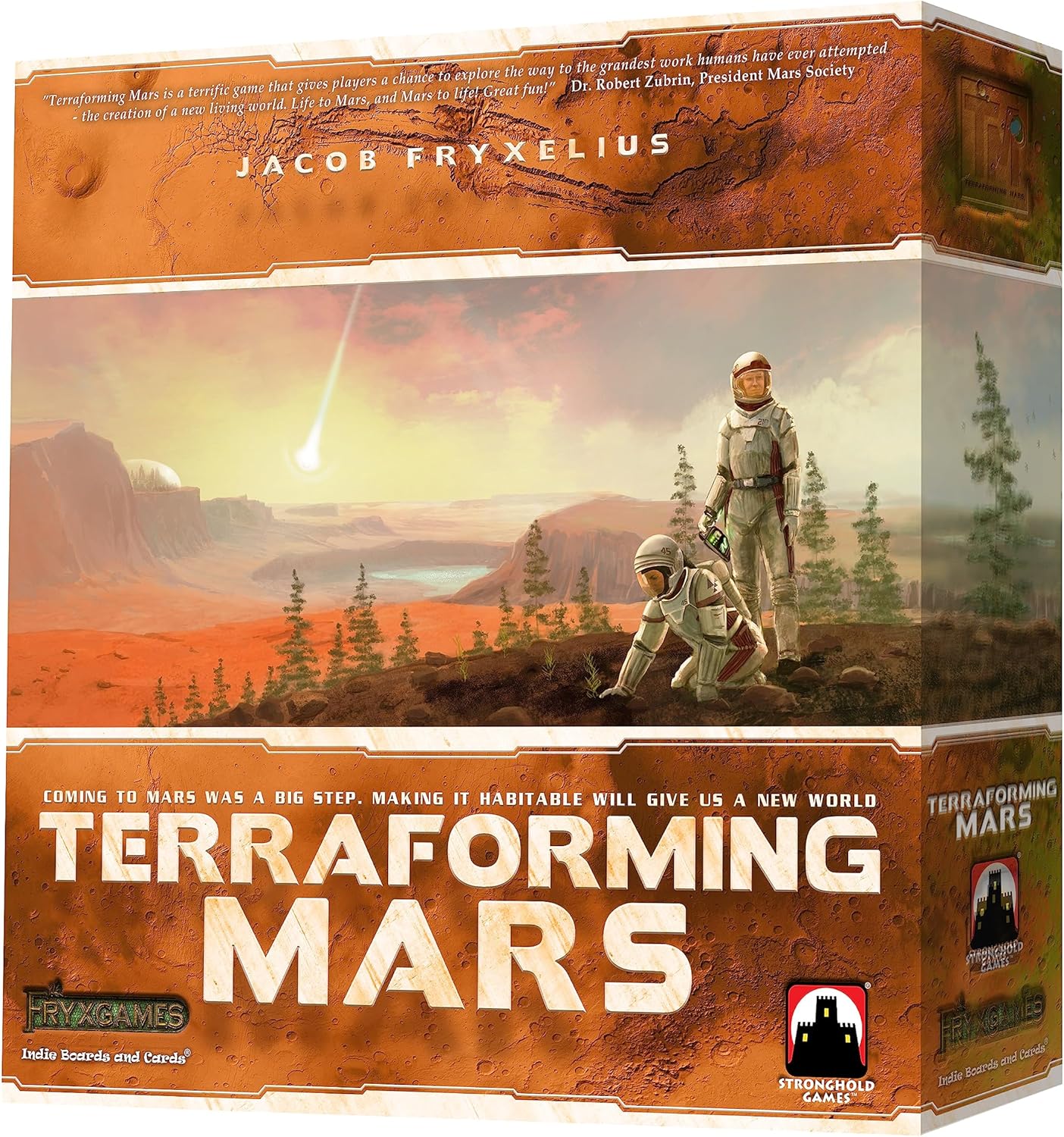
Engine-building Mars colonization. Hundreds of cards, a million strategies.…