Head-to-head comparison
Sprawlopolis vs Forbidden Island
Both are cheap cooperatives for a small table. Forbidden Island is the family game with the physical board; Sprawlopolis is the travel game with the harder puzzle.
 Light weight
Sprawlopolis
$29.95, checked Nov 3.
Eighteen cards build a whole city, and the scoring rules change every game. Fits in a shirt pocket.
Buy Sprawlopolis · $29.95 → Light weight
Forbidden Island
$17, checked Nov 3.
The cooperative gateway. Cheaper, simpler Pandemic. Plays with 8-year-olds.
Buy Forbidden Island · $17 →Pick Sprawlopolis if
You want a cooperative that fits in a shirt pocket: eighteen cards build a city, the scoring rules change every game, and it plays solo.
Pick Forbidden Island if
You want the cooperative for children: an island sinks, you collect treasures and get off it together, and the tiles and pieces give them something to hold.
Side by side.
| Fact | Sprawlopolis | Forbidden Island |
|---|---|---|
| Players | 1-4 | 2-4 |
| Playing time | 15-20 min | 30 min |
| Weight | Light | Light |
| Price today | $29.95 | $17 |
- Both play at two.
- Solo: Sprawlopolis has a solo mode, Forbidden Island does not.
- Both seat up to four.
- Cheaper today: Forbidden Island by $12.95, prices checked Nov 3.
The tradeoff.
Sprawlopolis
Sprawlopolis is 18 cards that behave like a whole box of game. Each card shows city blocks in a mix of four zone types, residential, commercial, industrial, and parks, with roads running through them, and the back of every card is a unique scoring rule. At setup you draw three cards and flip them: those three rules define this game's scoring, and their printed numbers add up to the target score you must beat. One to four players then cooperatively build a single sprawling city, each turn playing one card from a small hand, either adjacent to the city or overlapping earlier cards to bury mistakes. Grouped zones score points, every road counts against you, and the three active conditions push and pull in ways that make each layout a fresh puzzle. You may discuss strategy freely, but you may not reveal the cards in your own hand.
The whole thing fits in a vinyl wallet and costs about 12 dollars direct from Button Shy, and the variety is real: different scoring trios produce genuinely different games, and chasing a personal best solo is quietly addictive. It may be the best board game per cubic inch you can pack for a flight. The flaws are the usual small-box co-op ones. A pushy player can quarterback the table, since everything except hands is public information. End-of-game scoring involves a few minutes of honest counting, which lands somewhere between satisfying and tedious depending on your appetite for arithmetic. And some rule combinations are dramatically harder than others, so a loss is not always your fault. Take it as a portable brain teaser rather than a fair contest and it will ride in your bag for years.
Best for: Long Flight, Solo, Cooperative
Forbidden Island
Forbidden Island strips cooperative gaming down to its essentials. Players take on the roles of adventurers racing against time to collect four sacred treasures from a sinking island before making their escape. On your turn, you move around the island, shore up flooding tiles to prevent further submersion, or claim a treasure if you've gathered enough matching cards. The island deteriorates with each round as new tiles flood and previously flooded ones sink entirely. Victory requires both coordination and speed, but the mechanical loop remains straightforward enough that newcomers grasp it within minutes.
What distinguishes Forbidden Island is how efficiently it delivers cooperative tension without overwhelming the table. Unlike Pandemic, which can sprawl across rules and card interactions, this game creates urgency through sheer inevitability, the island will sink, and you'll need consensus on priorities without endless analysis paralysis. The shared puzzle feeling generates genuine moments of celebration when a risky plan works out. The thirty-minute runtime means even losing stings less, and the variable difficulty levels ensure it remains engaging across multiple plays rather than becoming a solved problem.
Best for: Two Players, Family with Kids, Cooperative
These are editorial picks; publishers cannot pay to appear here. Amazon links fund the site, and if you'd rather buy local, find a store via BoardGameGeek.
Also worth considering.
Games that share contexts with both Sprawlopolis and Forbidden Island.
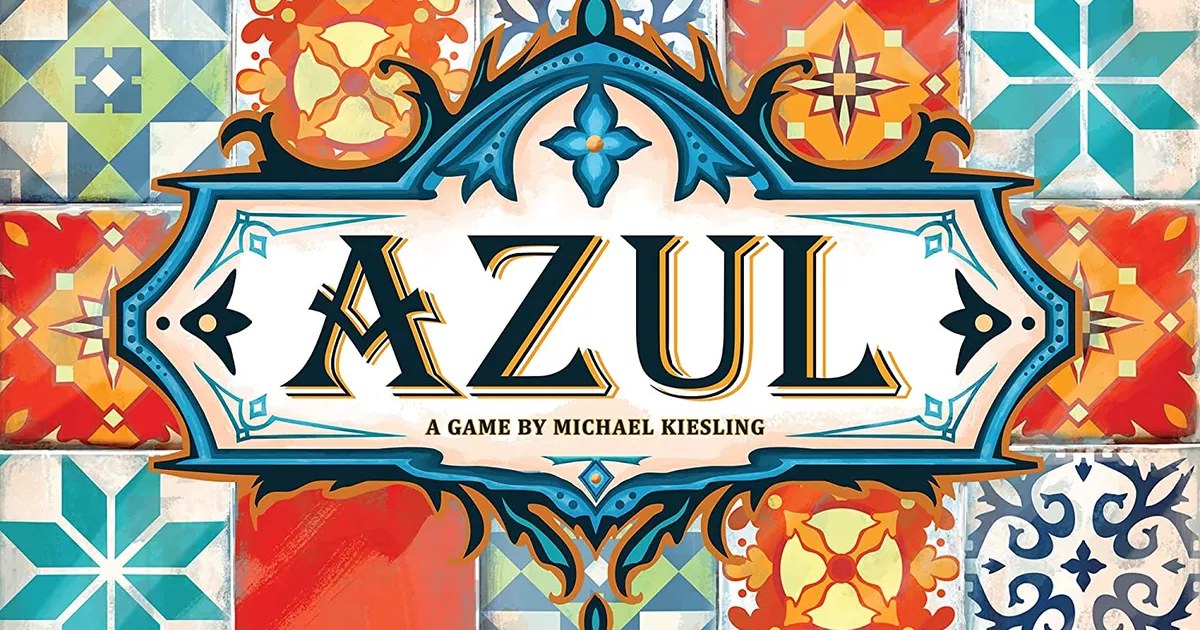
Pattern-laying tile game. Looks beautiful on the table. Teaches in five minutes.…
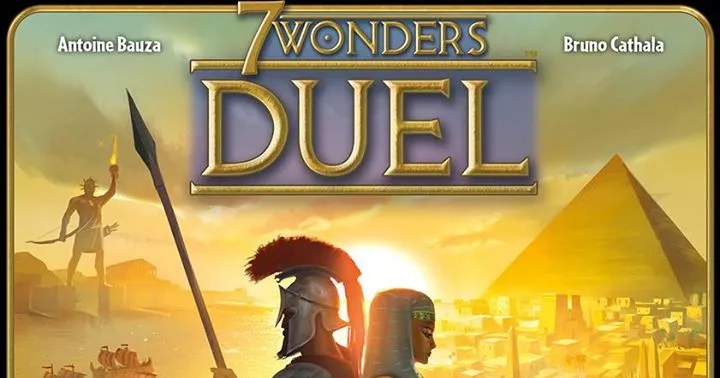
The two-player version that's actually better than the original. Tense, every choice matters.…

Word-association party game. Plays with grandparents, college kids, anyone in between.…
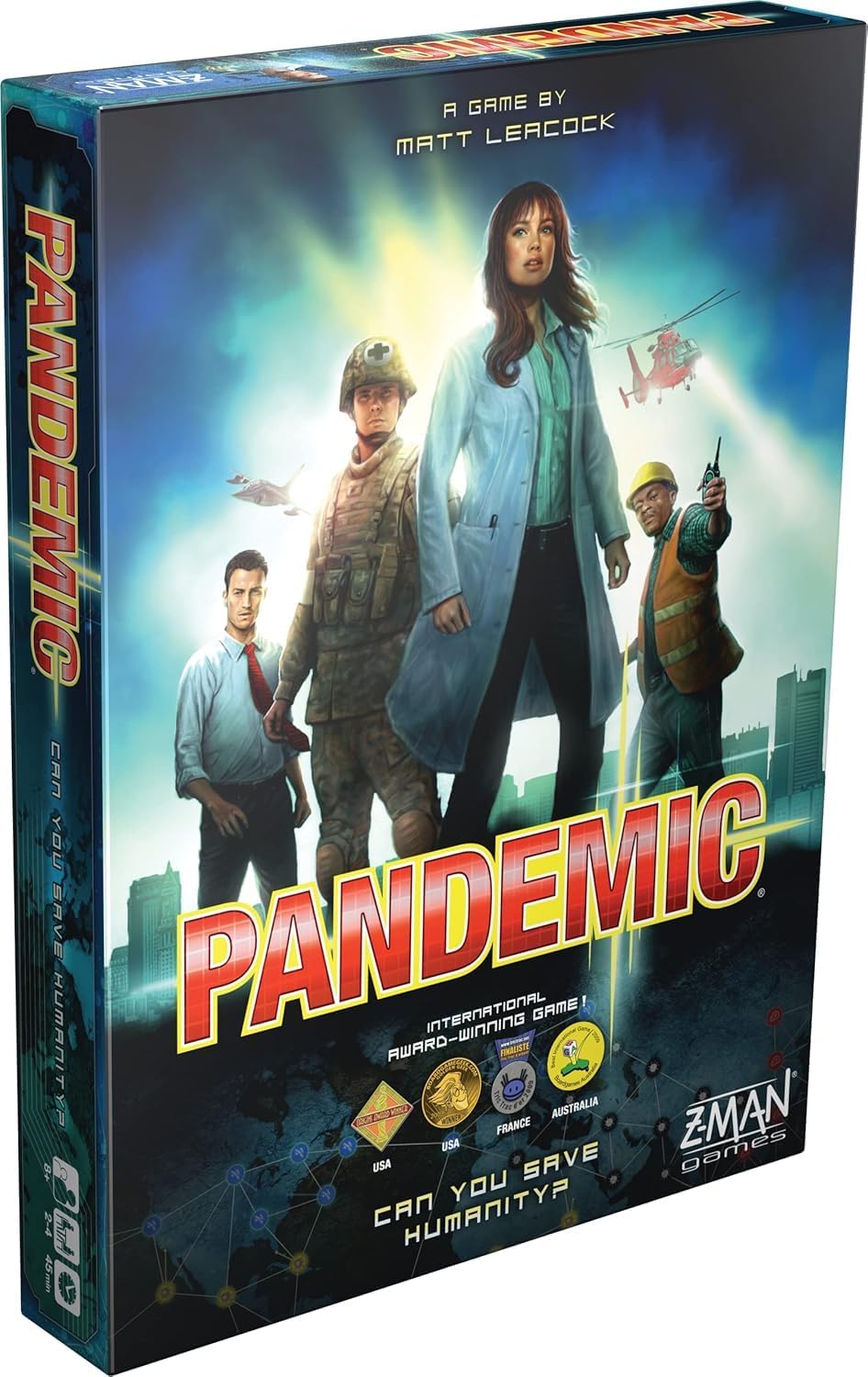
Cooperative classic. Save the world together. The game that converts non-gamers.…