Head-to-head comparison
Sushi Go Party! vs Point Salad
Both are light card games about collecting sets for $15 to $25. Sushi Go Party! has more variety and personality; Point Salad is simpler and quicker. Kids and families, Sushi Go; lunch-break adults, Point Salad.
 light weight
Sushi Go Party!
light weight
Sushi Go Party!
$21.99
Create the best combination of sushi dishes in this card drafting game.
Buy Sushi Go Party! · $21.99 →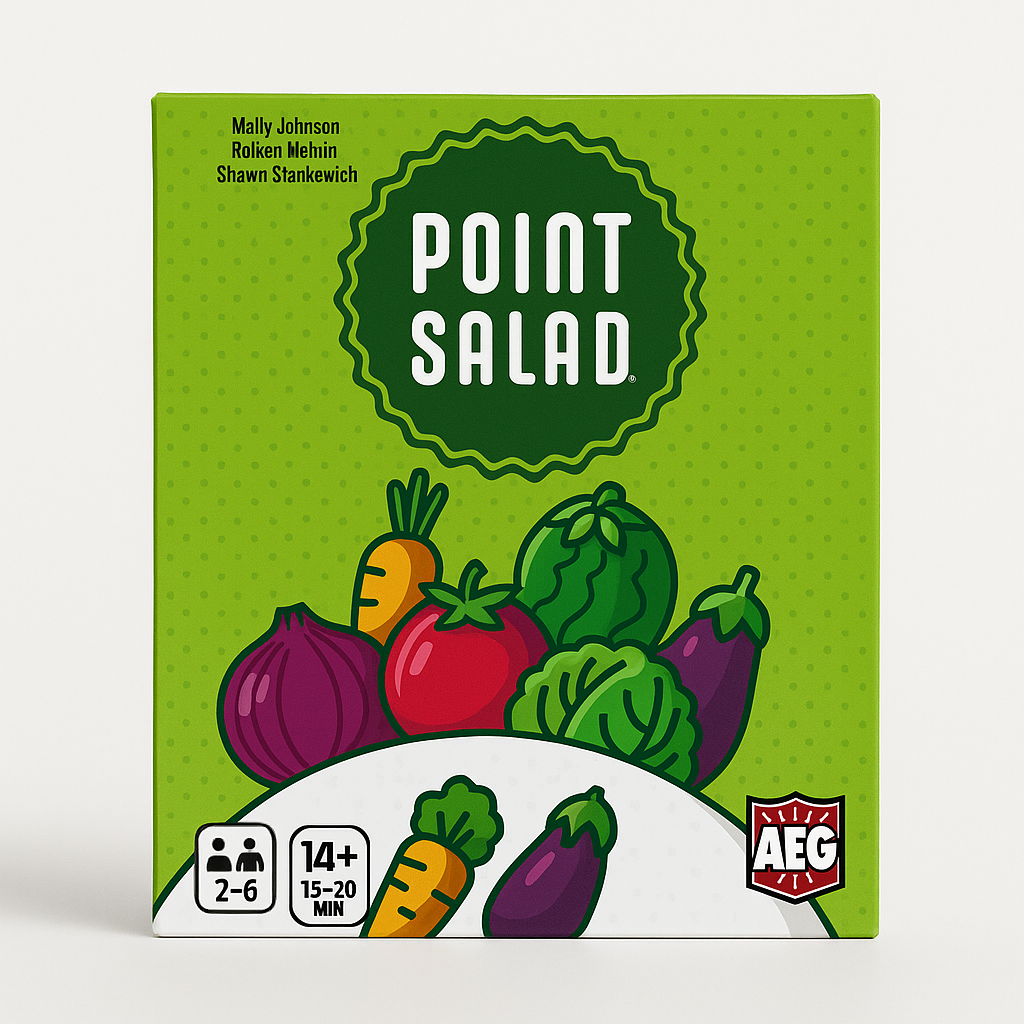 Light weight
Point Salad
Light weight
Point Salad
$24.99
Drafting card game with vegetables. Plays in 30, teaches in 3. Surprisingly deep.
Buy Point Salad · $24.99 →Pick Sushi Go Party! if
You want a drafting game with variety. Party! lets you swap card sets between plays and takes up to eight players with a proper scoring board.
Pick Point Salad if
You want the fastest possible teach and the smallest box. Point Salad is one deck, take a card or a scoring card, and even six players finish in half an hour.
The tradeoff.
Sushi Go Party!
Sushi Go Party is a card drafting game where players simultaneously select cards from their hand and pass the remainder to their neighbor, creating an elegant loop of decision-making. Each round, you're building combinations of sushi plates, nigiri, and special dishes, scoring points based on matching sets and strategic combos. The core tension sits in that moment of choice: do you take the high-value card you want, or block what your neighbor is obviously building? Rounds move quickly, and within twenty minutes you've cycled through enough decision points to feel like you've genuinely competed without overstaying your welcome.
What sets Sushi Go Party apart from lightweight drafting games is its menu system, which randomizes the available cards each game and fundamentally changes your strategic priorities. One round you're chasing pudding; the next you're architecting a wasabi combo. This variability keeps the experience fresh across repeated plays rather than calcifying into a solved puzzle. The table energy tends toward engaged scrambling rather than analysis paralysis. Players genuinely react to each other's choices, and the accessibility means inviting non-gamers doesn't require a tutorial that kills momentum.
Best for: Board Games for Beginners
Point Salad
Point Salad is a simultaneous drafting game where players build vegetable collections to score points. Each turn, one player reveals two cards from the deck while everyone else chooses which one to take. The twist is that scoring cards come in two types: vegetable cards worth points based on how many you collect, and scoring cards that reward specific combinations. You're constantly weighing immediate gratification against long-term strategy, deciding whether to grab that carrot you need or block an opponent from completing their lettuce set. Turns move quickly, and the whole experience feels like organized chaos in the best way.
What makes Point Salad stand out among light drafting games is how it manufactures meaningful decisions despite its simplicity. The scoring system creates genuine tension, some vegetables are only worth points if you have lots of them, while others reward quantity over quality. You'll find yourself at the table genuinely torn on every single turn, and your opponents will constantly surprise you by pivoting toward unexpected vegetable strategies. The game plays equally well at two players or five, and there's real satisfaction in executing a long-con strategy where you quietly accumulate tomatoes while everyone assumes you're going after the peppers.
Best for: 3-4 Players, 5+ Players, Family with Kids
These are editorial picks; publishers cannot pay to appear here. Amazon links fund the site, and if you'd rather buy local, find a store via BoardGameGeek.
Also worth considering.
Games that share contexts with both Sushi Go Party! and Point Salad.

Pattern-laying tile game. Looks beautiful on the table. Teaches in five minutes.…

Word-association party game. Plays with grandparents, college kids, anyone in between.…
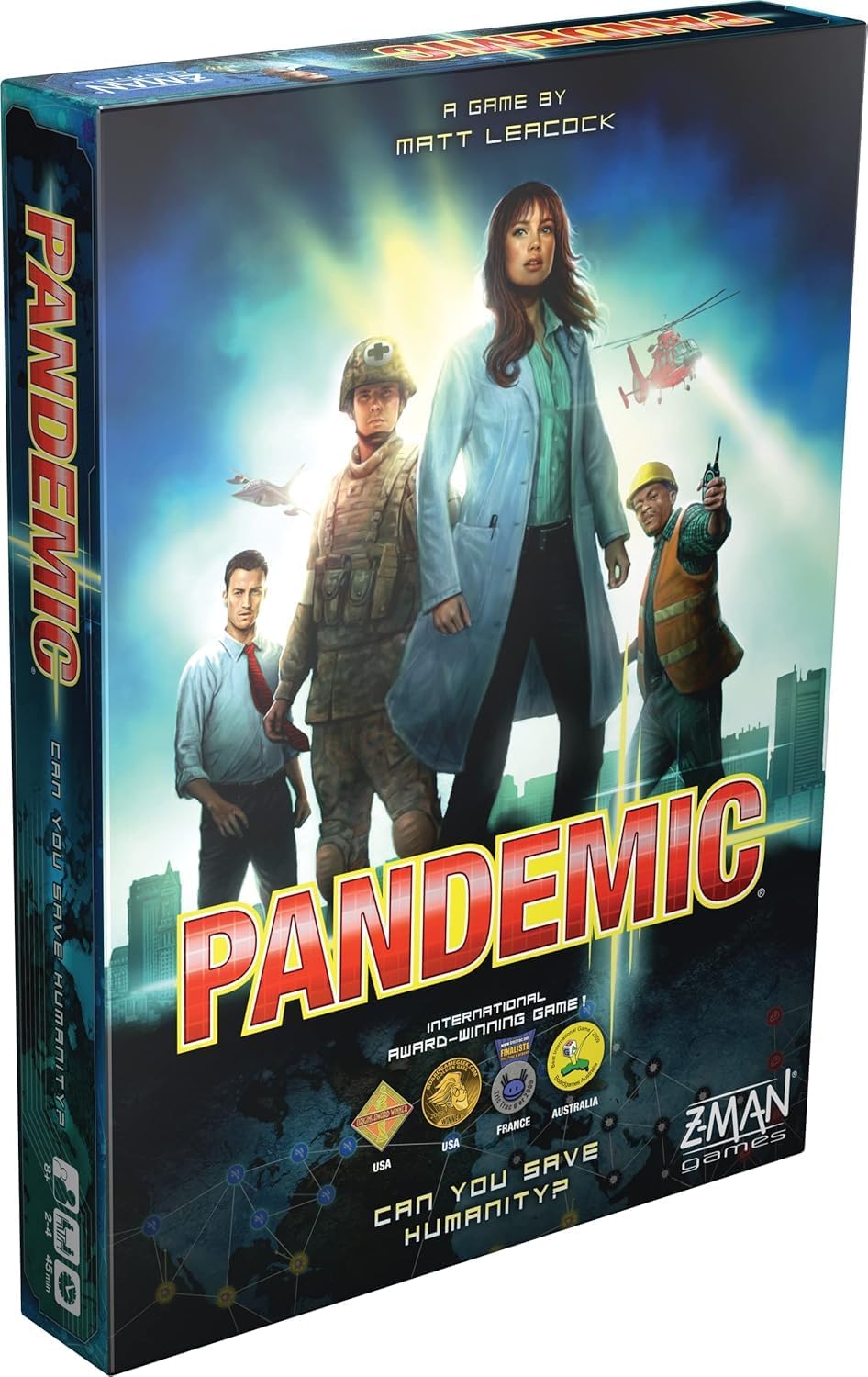
Cooperative classic. Save the world together. The game that converts non-gamers.…
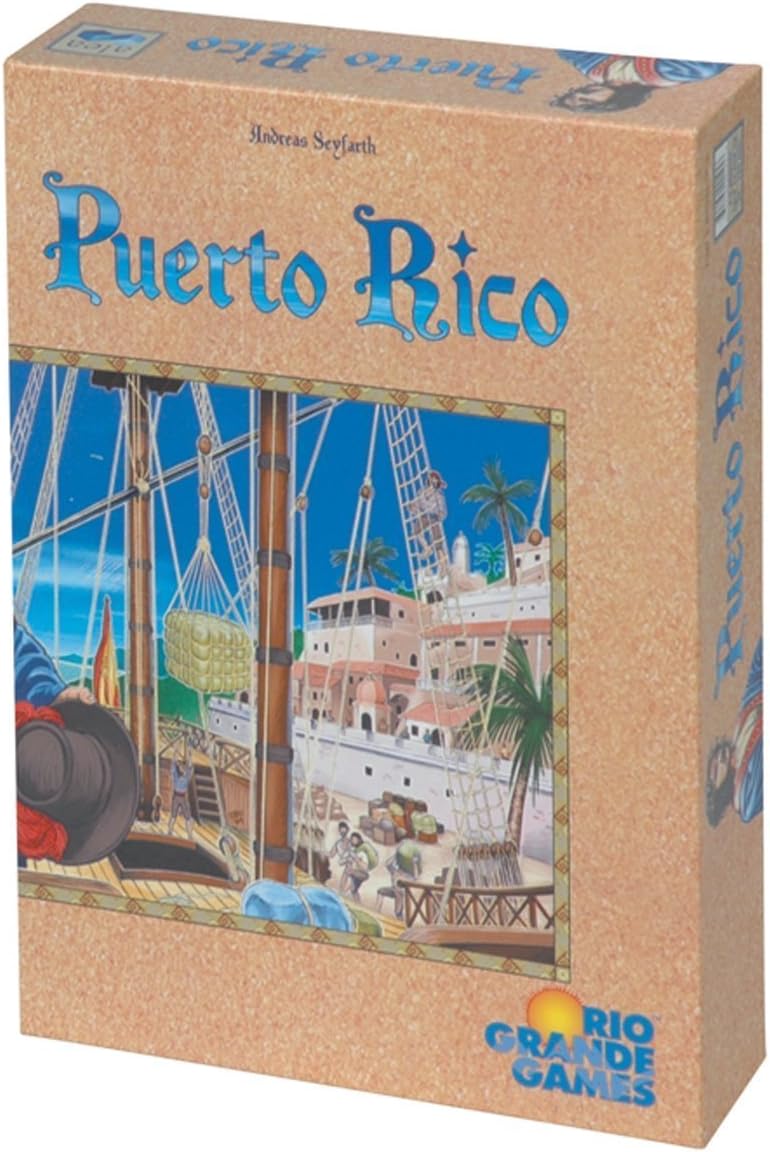
Train routes across America. Five minutes to learn, plays for years.…