Head-to-head comparison
Ticket to Ride vs Carcassonne
Both are gateway tile-laying games; Ticket to Ride has clearer personal objectives, Carcassonne has more emergent strategy.
 Light weight
Ticket to Ride
Light weight
Ticket to Ride
$50
Train routes across America. Five minutes to learn, plays for years.
Buy Ticket to Ride · $50 →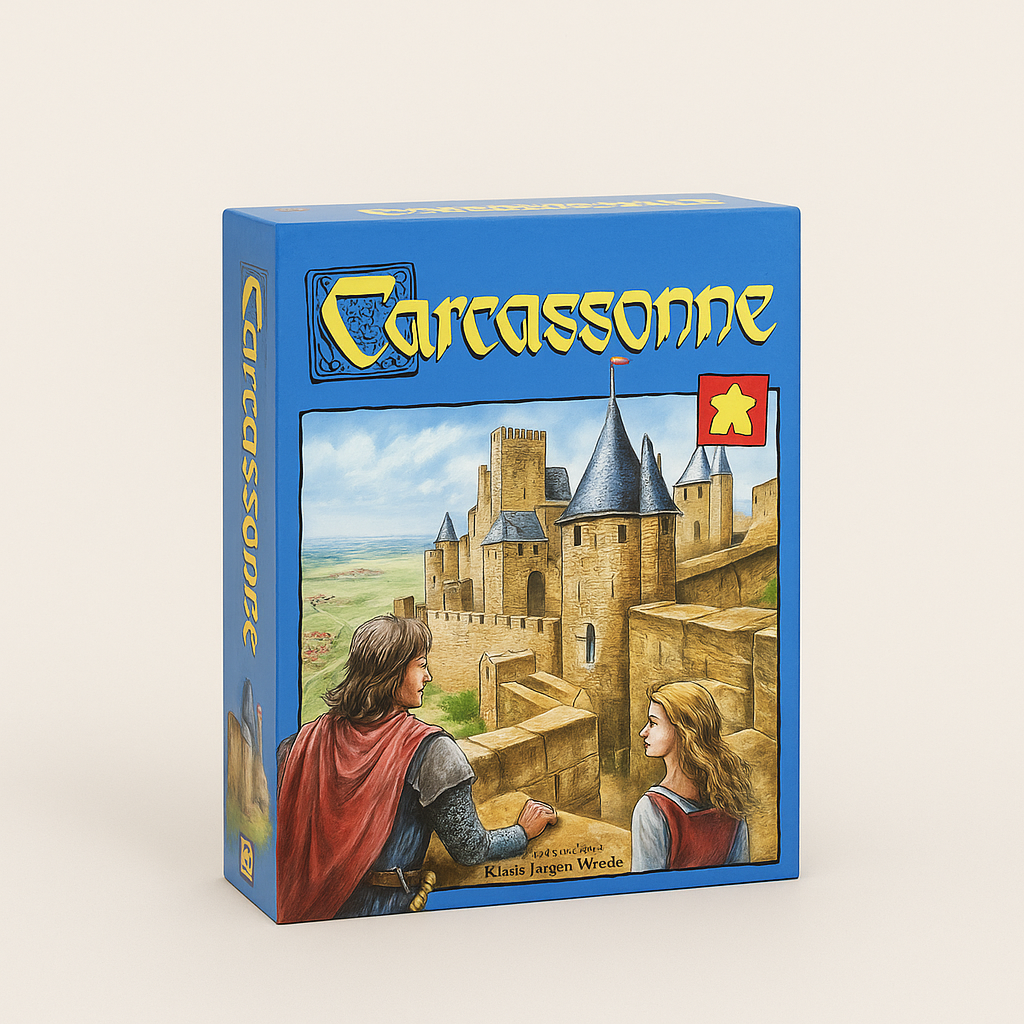 medium weight
Carcassonne
medium weight
Carcassonne
$35
Tile-placement game where you build a medieval landscape to score points.
Buy Carcassonne · $35 →Pick Ticket to Ride if
You want a clear objective (connect cities) with a fixed hand of destination cards driving all decisions, the goal is always visible.
Pick Carcassonne if
You prefer open-ended tile placement where strategy emerges from what you draw, Carcassonne rewards tactical adaptation.
The tradeoff.
Ticket to Ride
Ticket to Ride distills railway building into its purest form. Players take turns claiming routes between American cities by playing colored train cards that match the route's color requirements. On your turn, you draw cards, claim a route, or draw additional cards to build toward longer claims. The board fills gradually as players lay their plastic trains, creating an evolving map of competing networks. Victory points come from completed routes, with bonuses for ambitious multi-city connections and penalties for uncompleted tickets. The elegance lies in its simplicity: every decision matters, but no decision takes more than thirty seconds.
What distinguishes Ticket to Ride is how it balances competition without creating eliminated players or hurt feelings. You're racing for routes, yet the game rarely feels cutthroat because parallel paths always exist and blocking opponents is expensive in cards. The satisfaction comes from completing an ambitious transcontinental route you've been assembling for rounds, and watching others accomplish theirs. For families and mixed groups, this delivers that rare quality: genuine engagement from ages eight to eighty, where everyone understands what's happening and feels like they're playing the same game. It beats its lightweight competitors through accessible depth.
Best for: 3-4 Players, Family with Kids, With Grandparents
Carcassonne
Carcassonne is a tile-placement game where players take turns drawing and positioning square tiles to collaboratively build a medieval landscape of cities, roads, monasteries, and fields. On each turn, you draw a tile, place it adjacent to existing ones, then optionally deploy a wooden follower onto that tile to claim a feature. Once a city is completed or a road finished, you score points and reclaim your follower. The elegance lies in its simplicity: every turn follows the same pattern, yet tactical decisions about placement and follower deployment create genuine tension between short-term point grabs and long-term positioning.
What distinguishes Carcassonne is how it generates interaction through passive competition rather than direct conflict. You're constantly evaluating whether to extend an opponent's nearly-finished city for points or block their expansion, forcing difficult risk-reward calculations. The landscape itself becomes a shared canvas that tells a story of medieval development, making the experience feel collaborative even though you're competing. Unlike heavier spatial games that demand exhausting calculation, it maintains a relaxed pace while rewarding clever tile interpretation and placement foresight. It simply plays well across its entire player range without feeling diluted.
Best for: Board Games for Beginners
These are editorial picks; publishers cannot pay to appear here. Amazon links fund the site, and if you'd rather buy local, find a store via BoardGameGeek.
Also worth considering.
Games that share contexts with both Ticket to Ride and Carcassonne.
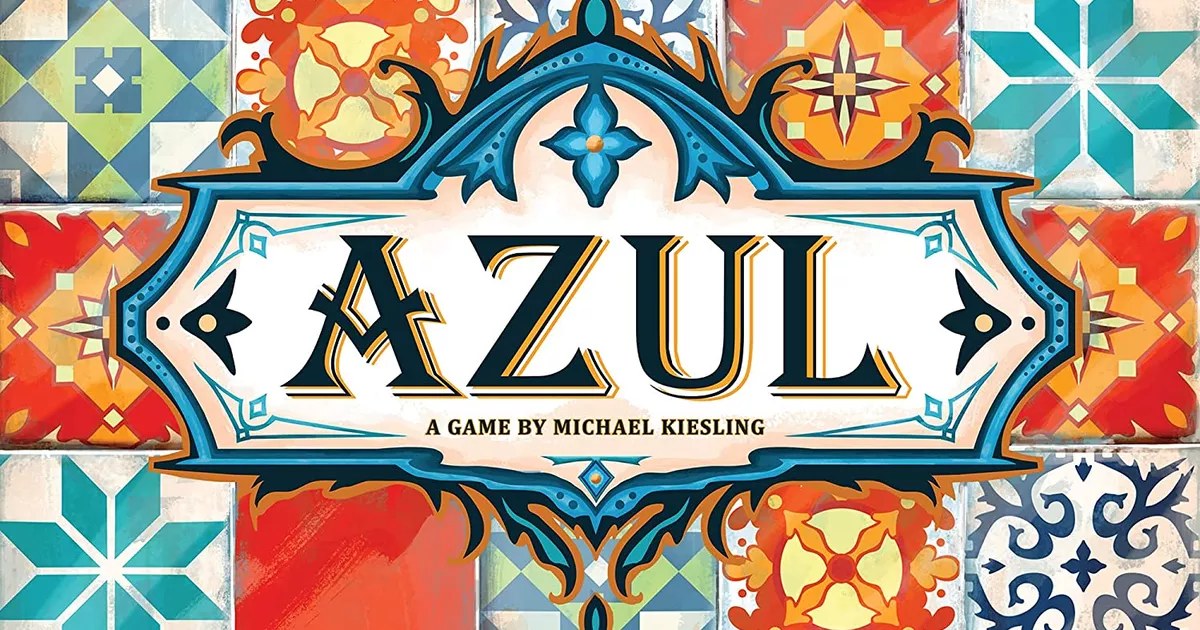
Pattern-laying tile game. Looks beautiful on the table. Teaches in five minutes.…

Word-association party game. Plays with grandparents, college kids, anyone in between.…
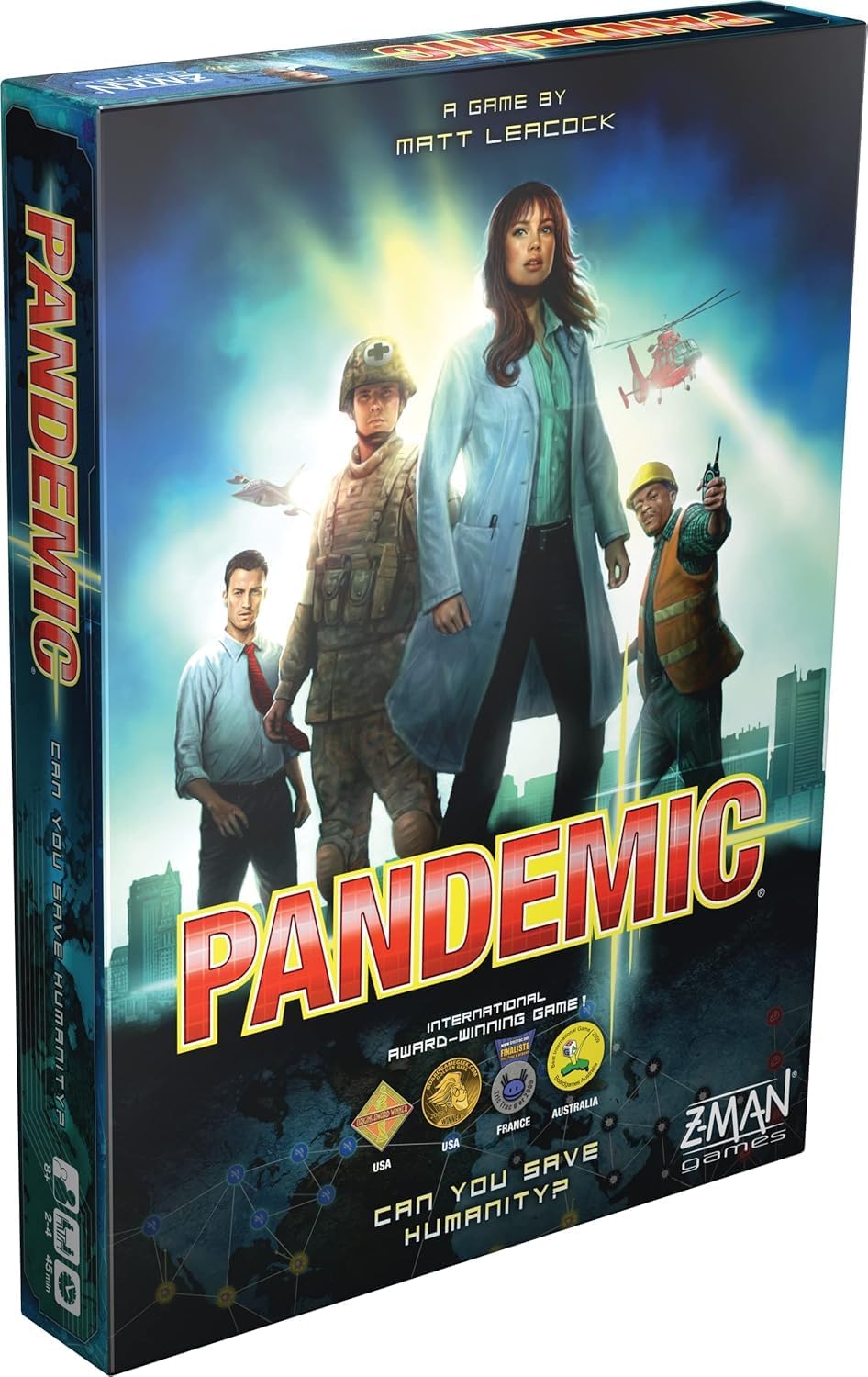
Cooperative classic. Save the world together. The game that converts non-gamers.…
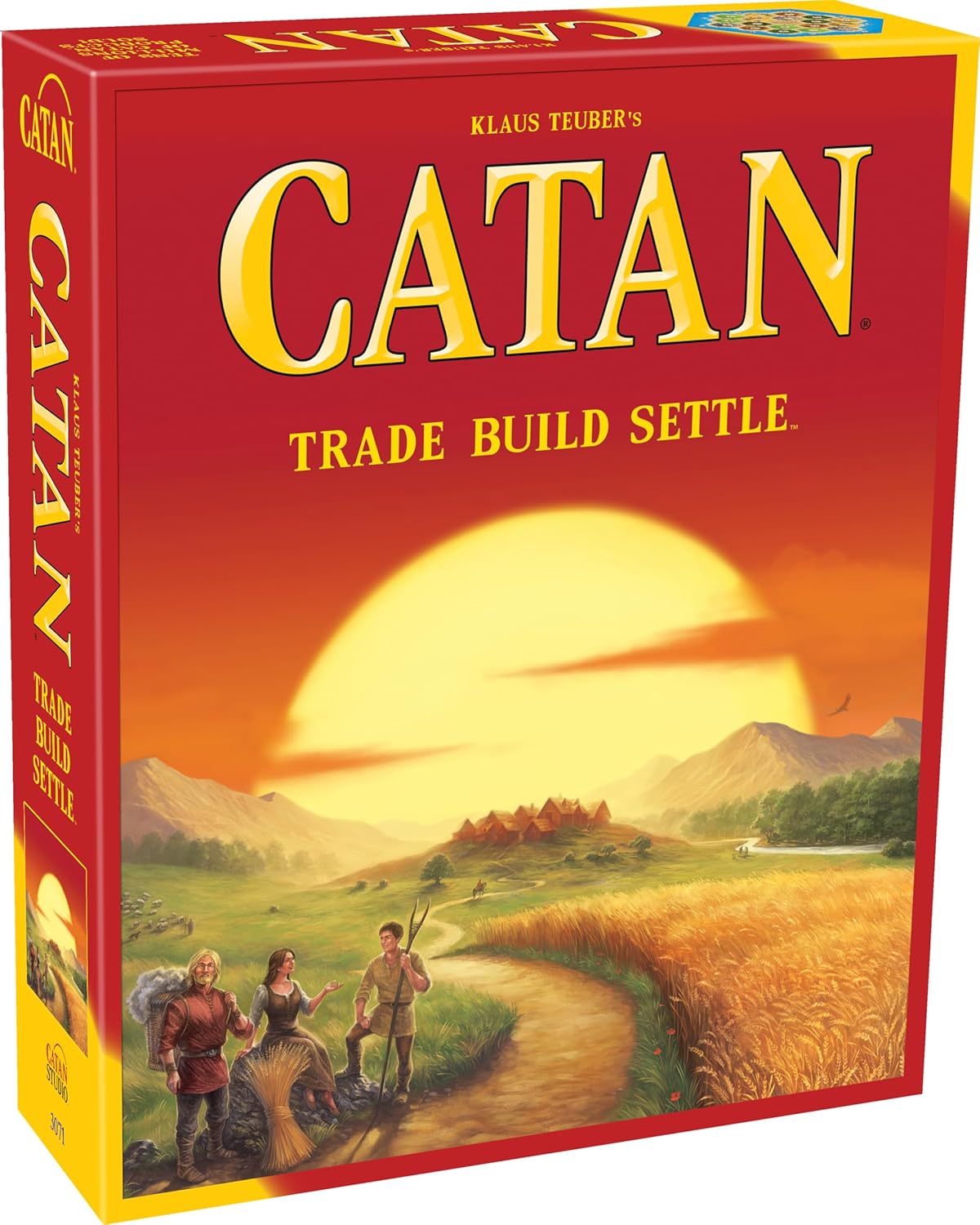
The trade-and-build classic. Five expansions deep if anyone catches the bug.…