Head-to-head comparison
Cóatl vs Azul
Both are colourful abstract puzzles that play in under an hour. Azul is the easier teach and the better-known game; Cóatl is the change of pace for a table that has played Azul to death.
 light weight
Cóatl
$24.04, checked Nov 3.
Assemble vibrant snake-like creatures to fulfill prophecies and score points.
Buy Cóatl · $24.04 →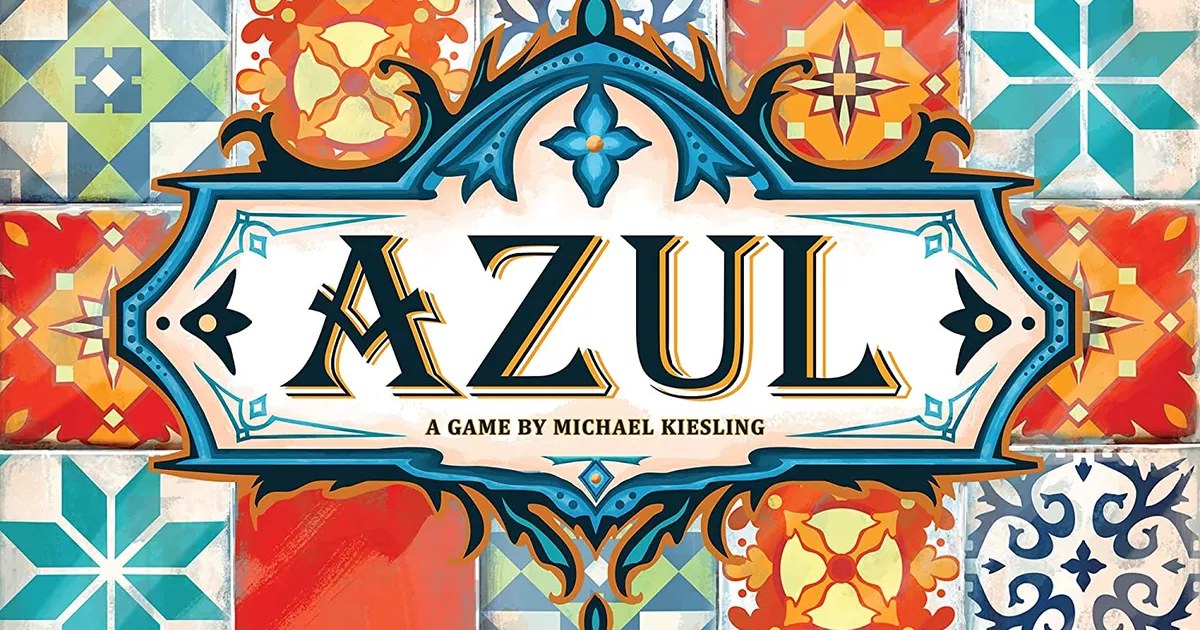 Light weight
Azul
$31.99, checked Nov 3.
Pattern-laying tile game. Looks beautiful on the table. Teaches in five minutes.
Buy Azul · $31.99 →Pick Cóatl if
You want something a little different: assemble snake-like creatures from head, body and tail pieces to match prophecy cards.
Pick Azul if
You want the known quantity: draft tiles from factories, fill your wall, and the best-looking light game of the last decade.
Side by side.
| Fact | Cóatl | Azul |
|---|---|---|
| Players | 1-4 | 2-4 |
| Playing time | 30-60 min | 30-45 min |
| Weight | Light | Light |
| Price today | $24.04 | $31.99 |
- Both play at two.
- Solo: Cóatl has a solo mode, Azul does not.
- Both seat up to four.
- Cheaper today: Cóatl by $7.95, prices checked Nov 3.
The tradeoff.
Cóatl
Cóatl tasks players with drafting colorful snake segments to form complete creatures that satisfy prophecy cards for points. On each turn, you'll select a segment from a central display, adding it to your personal snake or starting a new one. The segments vary in color and pattern, and matching them correctly to prophecy requirements, which might demand specific color sequences, lengths, or arrangements, is where strategy emerges. The drafting feels snappy, and turns move quickly, making the experience feel brisk even with four players. Players must balance completing prophecies immediately against setting themselves up for future scoring opportunities, creating light but genuine decisions rather than an autopilot experience.
What distinguishes Cóatl is its tactile satisfaction paired with genuine player interaction through the draft. Watching opponents build their serpents creates meaningful table conversation; you'll find yourself both celebrating others' completions and quietly blocking snake segments you suspect they need. The art captures a Mesoamerican aesthetic that feels fresh compared to standard euro-game beige, and the physical act of arranging colored segments has an almost meditative quality. It occupies a sweet spot where it's engaging enough for experienced players seeking a lighter interlude but accessible enough that new hobbyists won't feel overwhelmed by rules or upkeep.
Azul
Azul is a tile-drafting game where players compete to build the most elegant mosaic patterns. On your turn, you select all tiles of one color from a central display and add them to your personal player board, which features rows of increasing length. Once a row fills completely, those tiles slide over to a permanent scoring grid where they form patterns. The game rewards both completing rows and creating specific configurations, but there's a genuine penalty for taking more tiles than you can place, which means every selection carries weight and consequence.
What sets Azul apart in the light strategy category is its stunning visual presentation combined with genuinely tense decision-making. The ceramic-quality tiles feel satisfying to handle, and the board state evolves into something genuinely beautiful as patterns emerge. The tension comes from a clever blocking mechanism: when you take tiles, you're not just building your own mosaic, you're forcing opponents to deal with leftovers they don't want. Players who enjoy games where elegance and competition intertwine will find plenty to love here. Unlike many light games that feel purely lucky or purely mechanical, Azul hits that sweet spot where planning matters but luck doesn't dominate.
Best for: Two Players, 3-4 Players, Family with Kids
These are editorial picks; publishers cannot pay to appear here. Amazon links fund the site, and if you'd rather buy local, find a store via BoardGameGeek.