Head-to-head comparison
Scythe vs Root
Root is the harder teach and the more interesting game once everyone knows their faction; Scythe is smoother, prettier, and easier to bring to a new group. Both are heavy, both under two hours.
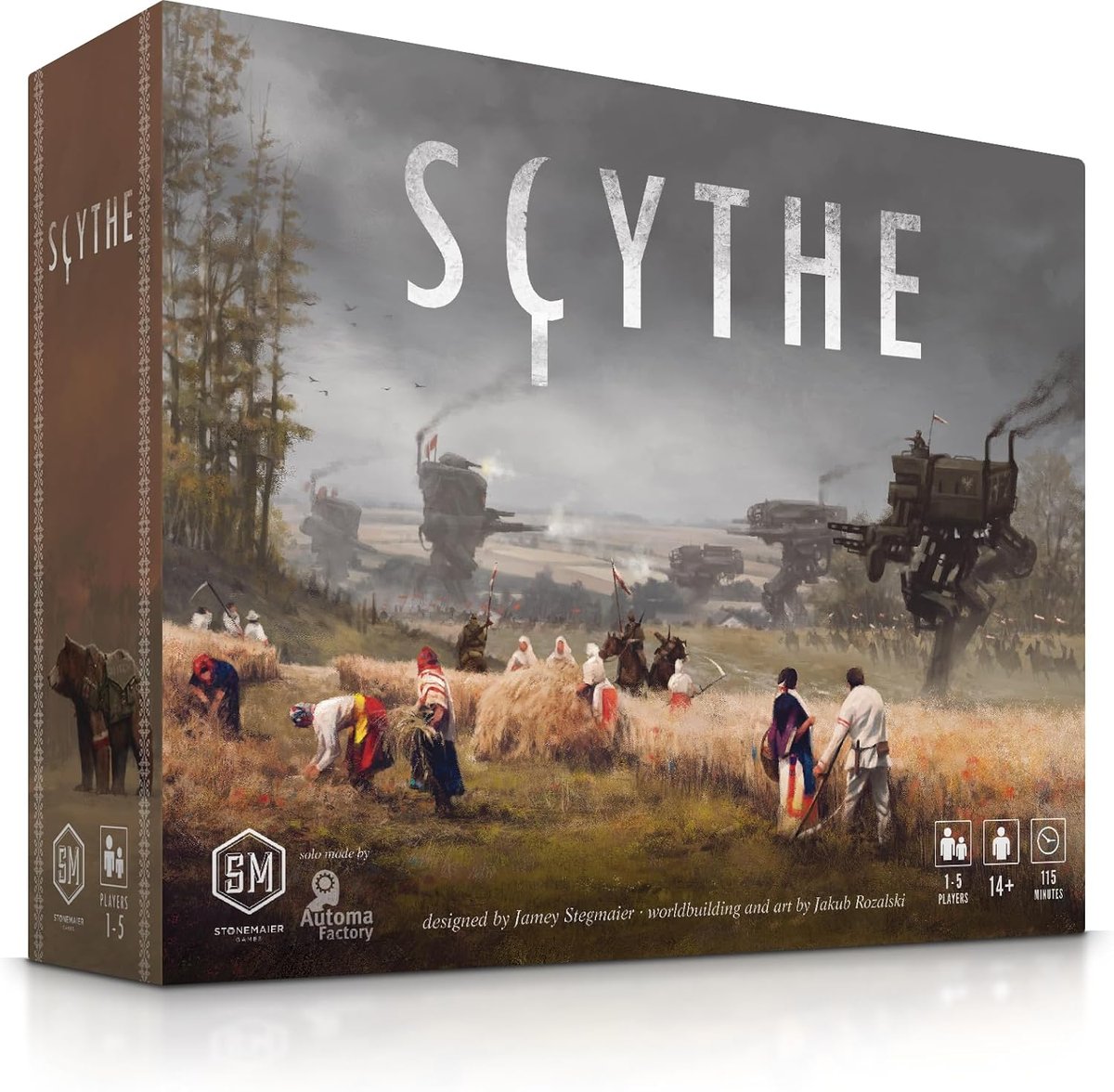 Heavy weight
Scythe
Heavy weight
Scythe
$90
Mechs, farms, and quiet menace across an alternate 1920s Europe. An engine builder wearing a war game's armor.
Buy Scythe · $90 →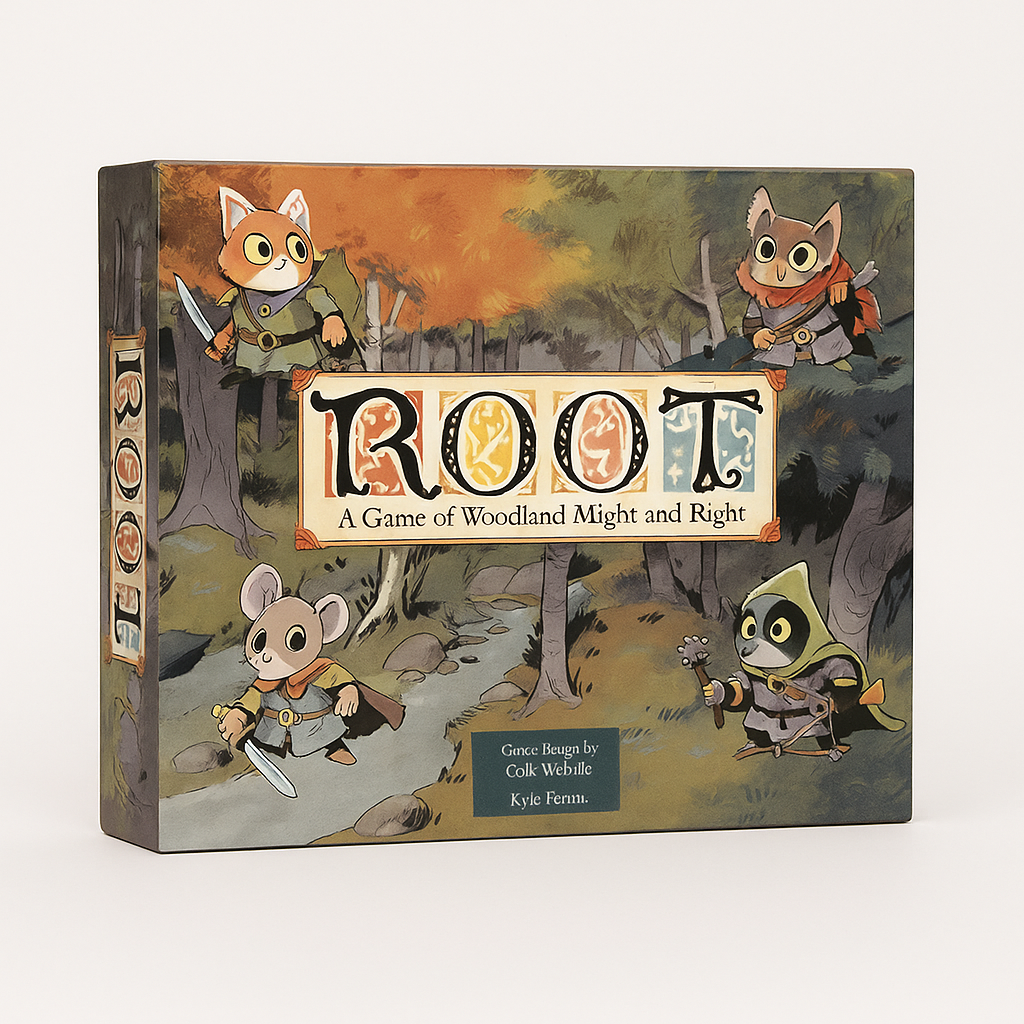 Heavy weight
Root
Heavy weight
Root
$48
Asymmetric forest war game. Each faction plays completely differently. Deep.
Buy Root · $48 →Pick Scythe if
You want symmetric factions that feel different but play by the same rules, gorgeous production, and a game your group can learn together in one sitting.
Pick Root if
You want the asymmetric experience where every player is running a genuinely different game with different win conditions, and you are prepared for the first two plays to be rough.
The tradeoff.
Scythe
Scythe is an engine building and area control game set in an alternate 1920s Europe of mechs and farmland. Each player gets an asymmetric faction and a separate player mat, and the combination defines your whole game. On your turn you move your action token to one of four sections of your mat and take its top action, such as moving units, producing resources, trading, or bolstering power, then optionally pay for the bottom action printed beneath it, like deploying a mech, building a structure, enlisting a recruit, or upgrading. You cannot pick the same section two turns in a row, so the game becomes a rhythm exercise: sequencing top actions so your bottom row engine fires as often as possible while upgrades steadily drop its costs. Stars mark achievements, the sixth star placed by anyone ends the game on the spot, and final scoring counts stars, territory, and resources, scaled by your popularity standing.
Understand what Scythe is before buying: the mechs and the brooding military art promise a war game, and it is not one. Combat exists, it is expensive, and most sessions contain only a handful of fights. This is a logistics and timing game wearing armor, closer in spirit to an efficiency focused euro than to a battle map brawl, and players who buy it for constant conflict routinely bounce off. Players who want to quietly assemble a terrifying economy, then end the game before the table realizes it is ending, adore it, which is why it has held a place near the top of the BoardGameGeek rankings for a decade.
Best for: Epic Evening, Solo, Strategy Night
Root
Root presents a woodland conflict where each faction operates under completely different rules and victory conditions. The Marquise de Cat builds wooden structures and controls territory through straightforward military might. Meanwhile, the Woodland Alliance spreads sympathy tokens and converts supporters through grassroots revolt. The Vagabond plays solo, completing quests for allies and items. The Riverfolk Company (fourth faction) controls trade and economy. Rather than a unified turn structure, each player's turn feels like a different game entirely, with their own action sequences, resource systems, and strategic rhythms that barely interact until combat erupts.
What separates Root from other heavy asymmetric games is how genuinely different the player experience becomes. Playing as the Cat feels like traditional territory control, but as the Alliance you're organizing political movements. This isn't cosmetic flavor applied to identical mechanics, it's structural divergence that creates fascinating emergent situations where no two playthroughs resemble each other. The table develops its own narrative tension because players are literally speaking different strategic languages. Fans of games like Spirit Island or Cosmic Encounter who crave asymmetry find themselves completely absorbed by Root's faction depth and the puzzle of learning multiple rule sets simultaneously.
Best for: 3-4 Players, Strategy Night, Epic Evening
These are editorial picks; publishers cannot pay to appear here. Amazon links fund the site, and if you'd rather buy local, find a store via BoardGameGeek.
Also worth considering.
Games that share contexts with both Scythe and Root.
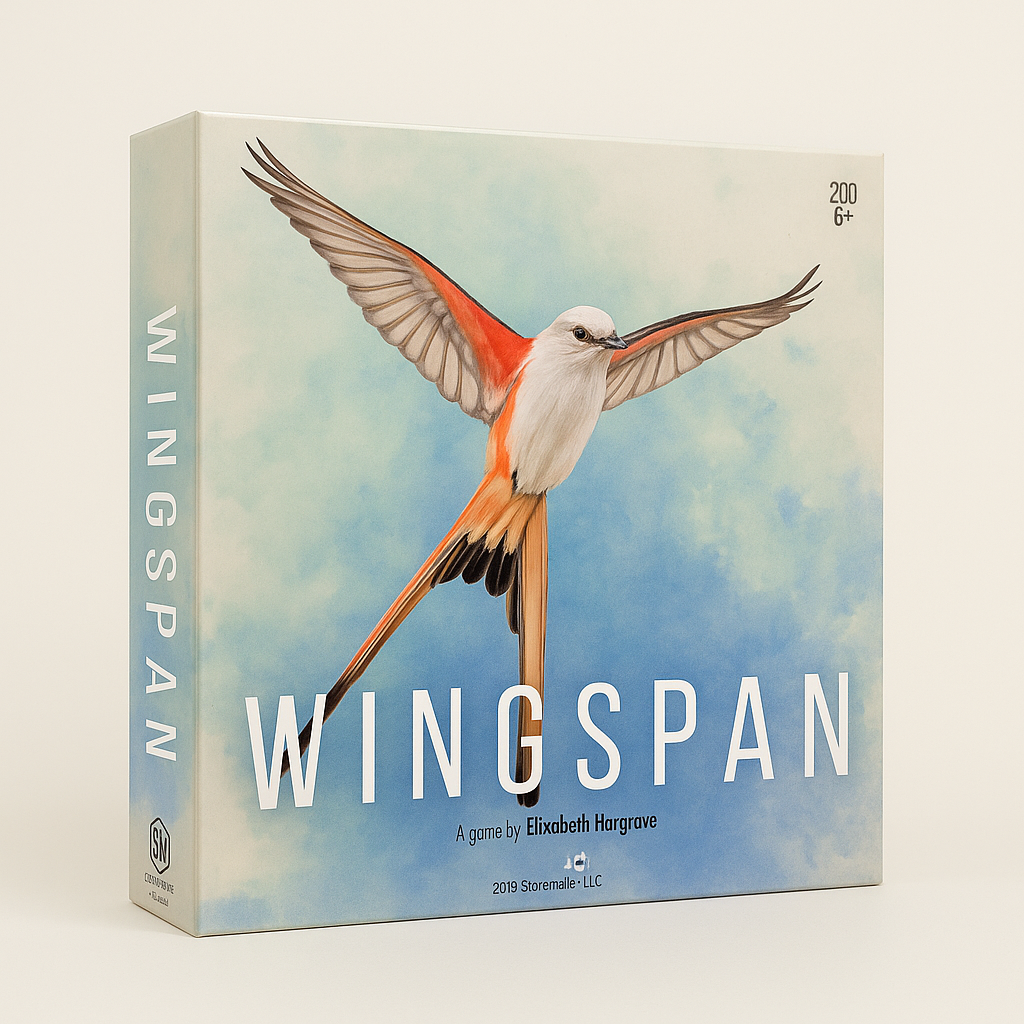
Birds, engine-building, exquisite art. Plays light enough for casual nights, deep enough for repeat play.…
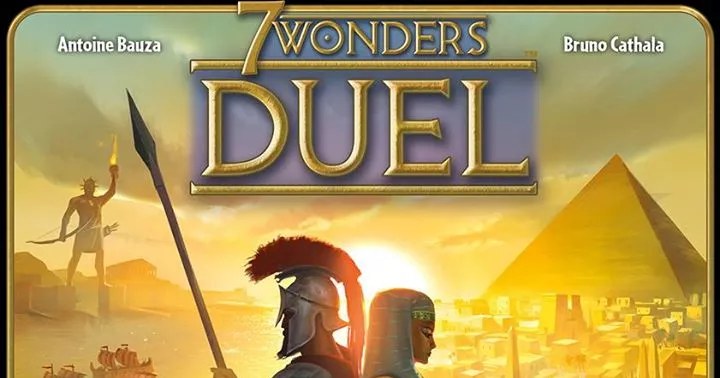
The two-player version that's actually better than the original. Tense, every choice matters.…
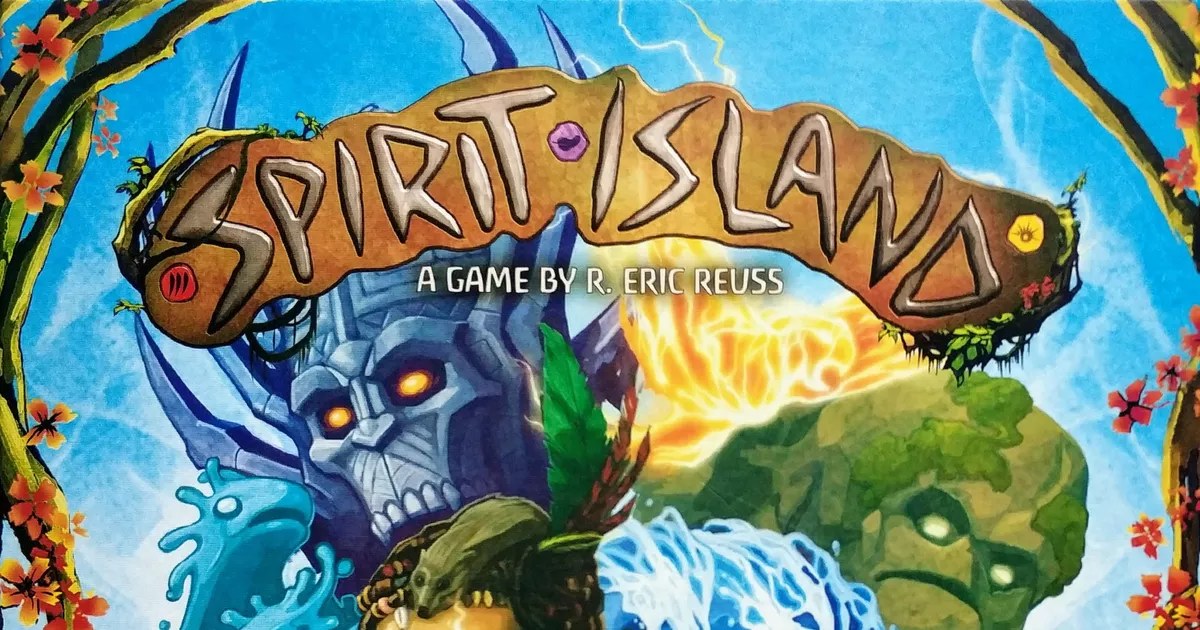
Reverse-colonialism cooperative. The thinky version of Pandemic. Endless replayability.…
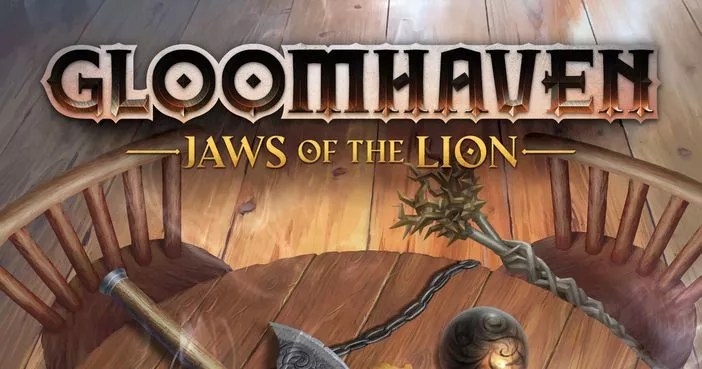
The best campaign-game starter. Self-contained Gloomhaven with built-in tutorial.…