Head-to-head comparison
Akropolis vs Kingdomino
Kingdomino is the entry point and takes fifteen minutes. Akropolis is what to buy when the family has outgrown it.
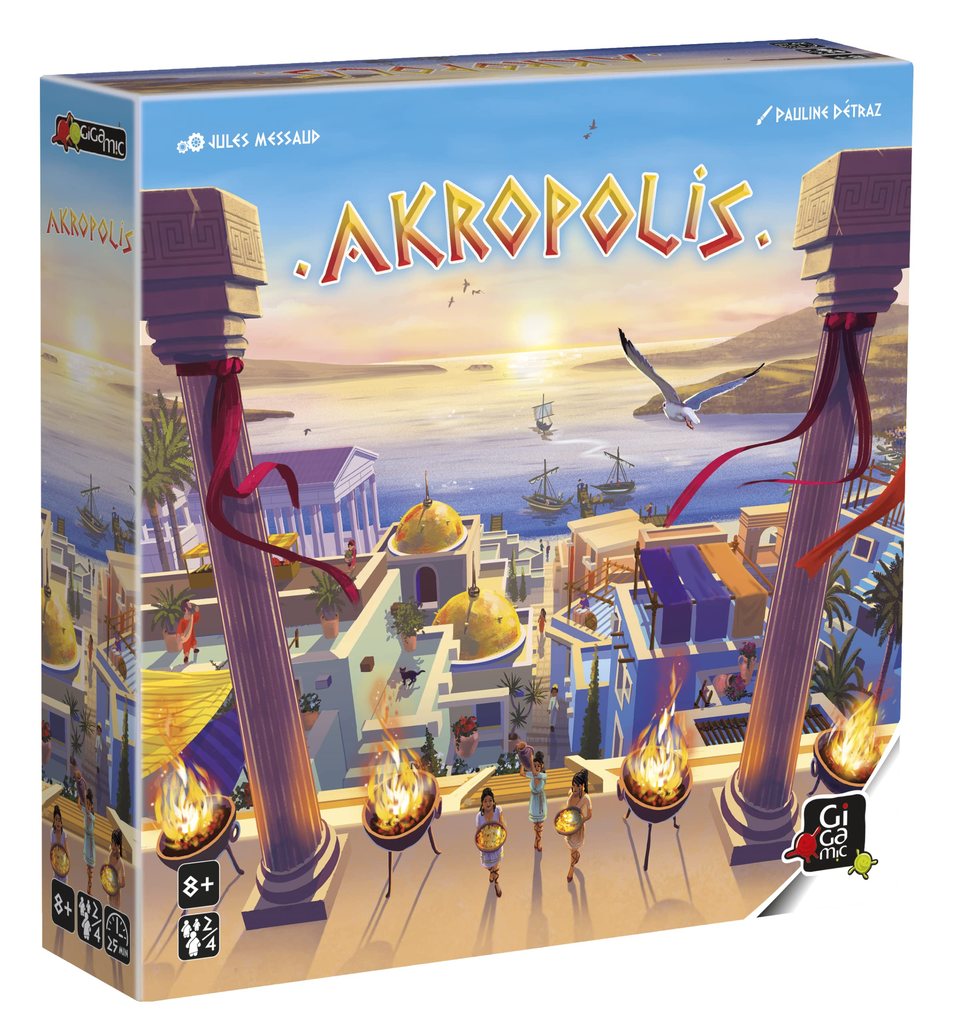 Light weight
Akropolis
$29.99, checked Nov 22.
Build a Greek city from chunky three-hex tiles, stacking upward for double and triple points. Thirty minutes, and the best new city builder in years.
Buy Akropolis · $29.99 →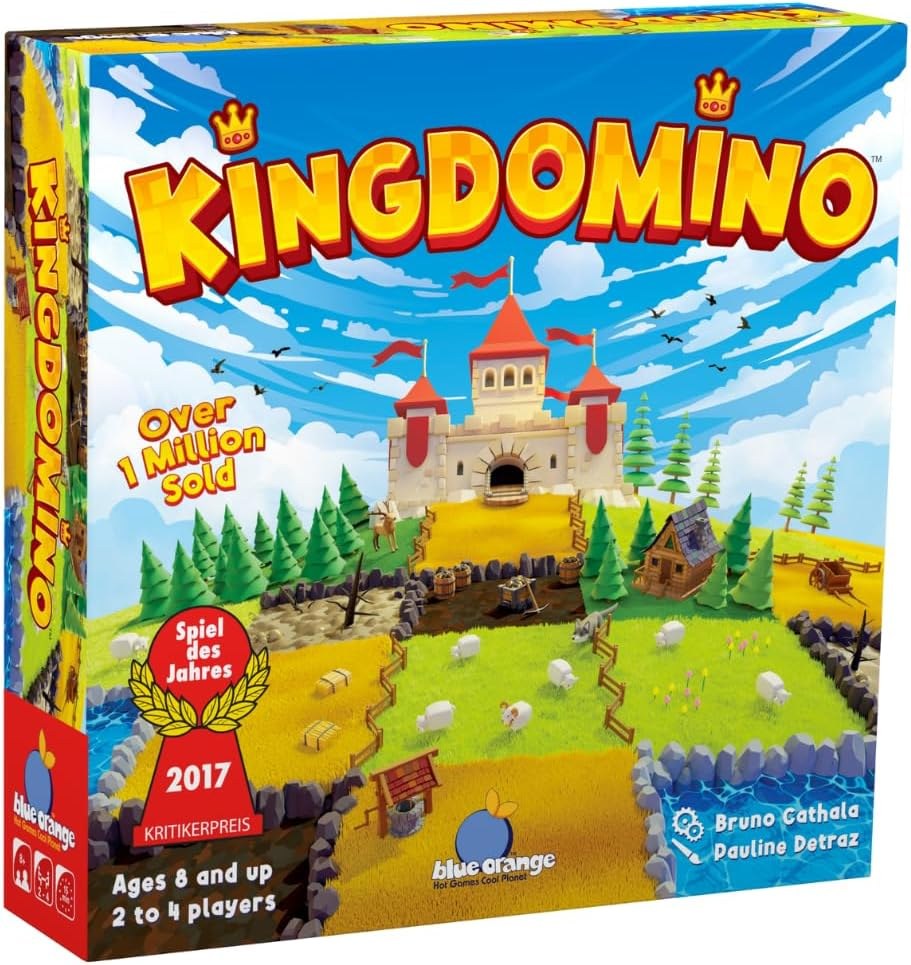 Light weight
Kingdomino
$19.95, checked Nov 22. Was $24.99 before Oct 30, down 20%. Lowest price we have recorded in 30 days. On the Black Friday drop list
Dominoes as a tiny kingdom-building puzzle. Fifteen minutes, any age, and it won a Spiel des Jahres for a reason.
Buy Kingdomino · $19.95 →Pick Akropolis if
You want the next step: more ways to score and a third dimension to think about.
Pick Kingdomino if
You want the simplest tile-drafting game there is, playable with a six year old.
Side by side.
| Fact | Akropolis | Kingdomino |
|---|---|---|
| Players | 2-4 | 2-4 |
| Playing time | 30 min | 15-20 min |
| Weight | Light | Light |
| Price today | $29.99 | $19.95 |
- Both play at two.
- Both seat up to four.
- Cheaper today: Kingdomino by $10.04, prices checked Nov 22.
The tradeoff.
Akropolis
Akropolis is a tile-laying game about building an ancient Greek city. On your turn you take one tile from a row and add it to your city. The first tile in the row is free and the others cost stone. Each tile is three hexes joined together, showing districts such as houses, markets, barracks, temples and gardens, along with quarries. Each district type scores under its own rule: houses want to form one large group, markets want to stand apart, barracks belong on the edge.
The twist is height. You may place a tile on top of others, and a district on the second level counts double, on the third level triple. Covering a quarry also earns stone to buy better tiles later. So the city grows upward, and deciding what to bury is as important as what to show. Scoring multiplies each district by the matching plazas you have, which rewards planning. The thick tiles feel good in the hand. It plays quickly at every count and is a fine game for two.
Best for: Two Players, 3-4 Players, Family with Kids
Kingdomino
Kingdomino takes the dominoes everyone already understands and turns them into a fifteen-minute kingdom builder. Each tile is two squares of terrain (wheat, forest, lake, grassland, swamp, mine), some carrying crowns. Each round a line of four tiles is revealed and players claim them in order of the tile they took last round, so choosing a great tile now means choosing later next time. You add your tile to a five-by-five grid around your castle, matching at least one terrain type to an adjacent square, and at the end each region scores its number of squares multiplied by its crowns.
The cleverness is that the good tiles are usually the ones with crowns, and crowns tend to sit on the tiles everyone wants, so the turn-order mechanism does real work. Do you take the mediocre tile that lets you pick first next round, or the lake with two crowns that sends you to the back of the line? Kids grasp the multiplication scoring by their second game and adults find enough to think about, which is the balance a family game rarely hits.
Best for: Family with Kids, 30 Minutes or Less, Board Games for Beginners
These are editorial picks; publishers cannot pay to appear here. Amazon links fund the site, and if you'd rather buy local, find a store via BoardGameGeek.
Also worth considering.
Games that share contexts with both Akropolis and Kingdomino.
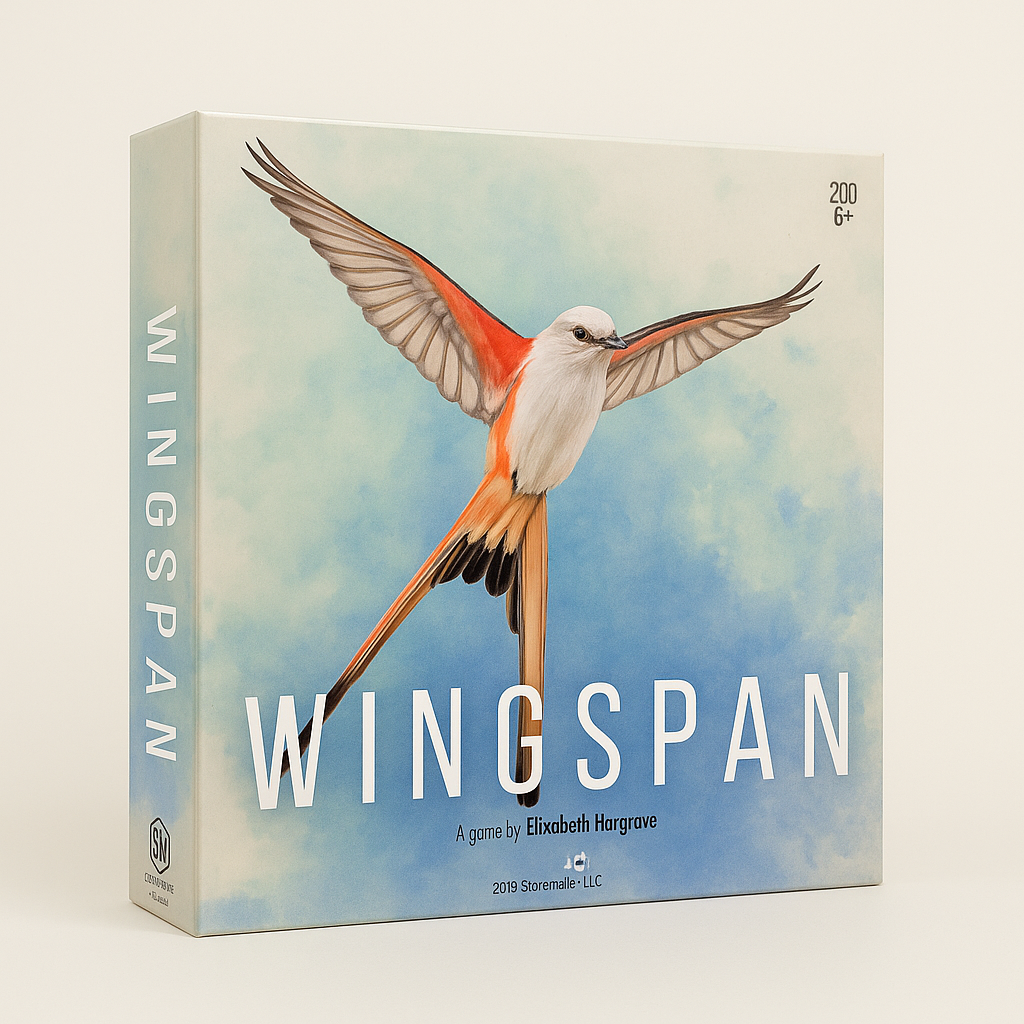
Birds, engine-building, exquisite art. Plays light enough for casual nights, deep enough for repeat play.…
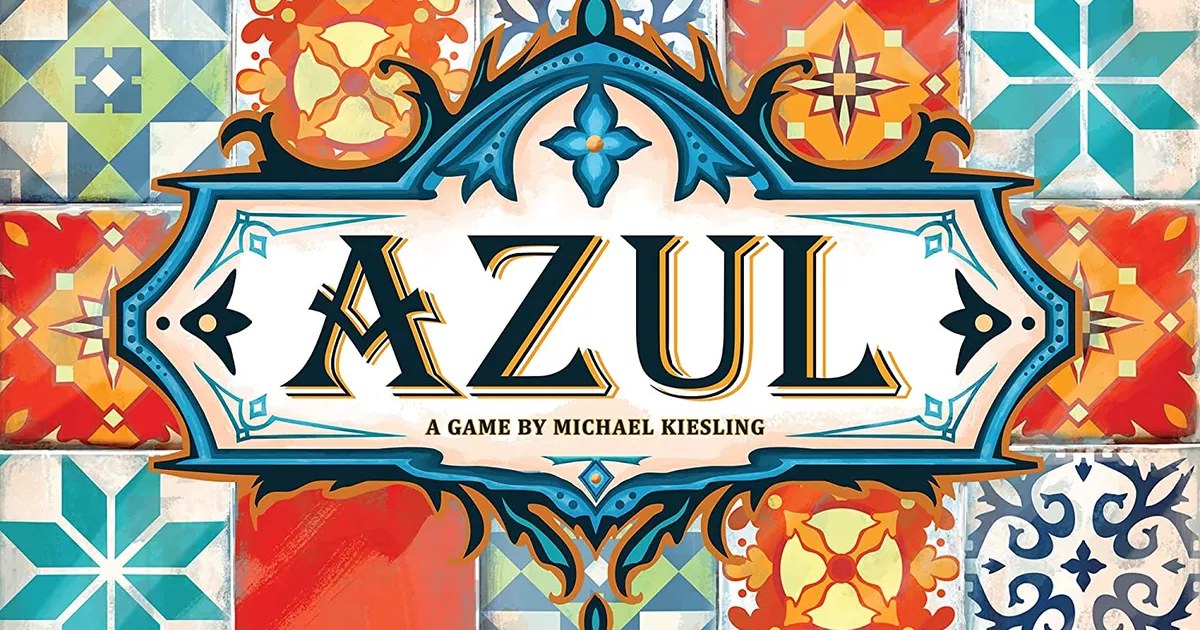
Pattern-laying tile game. Looks beautiful on the table. Teaches in five minutes.…
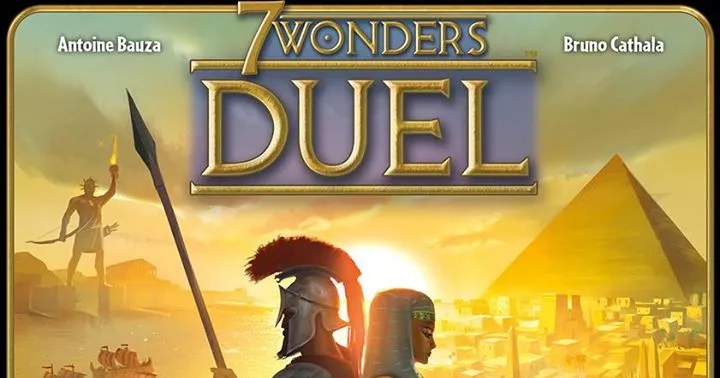
The two-player version that's actually better than the original. Tense, every choice matters.…

Word-association party game. Plays with grandparents, college kids, anyone in between.…