Head-to-head comparison
Blokus vs Qwirkle
Both are abstract family games with no reading. Blokus is sharper and best with exactly four; Qwirkle is friendlier and fine with two or three.
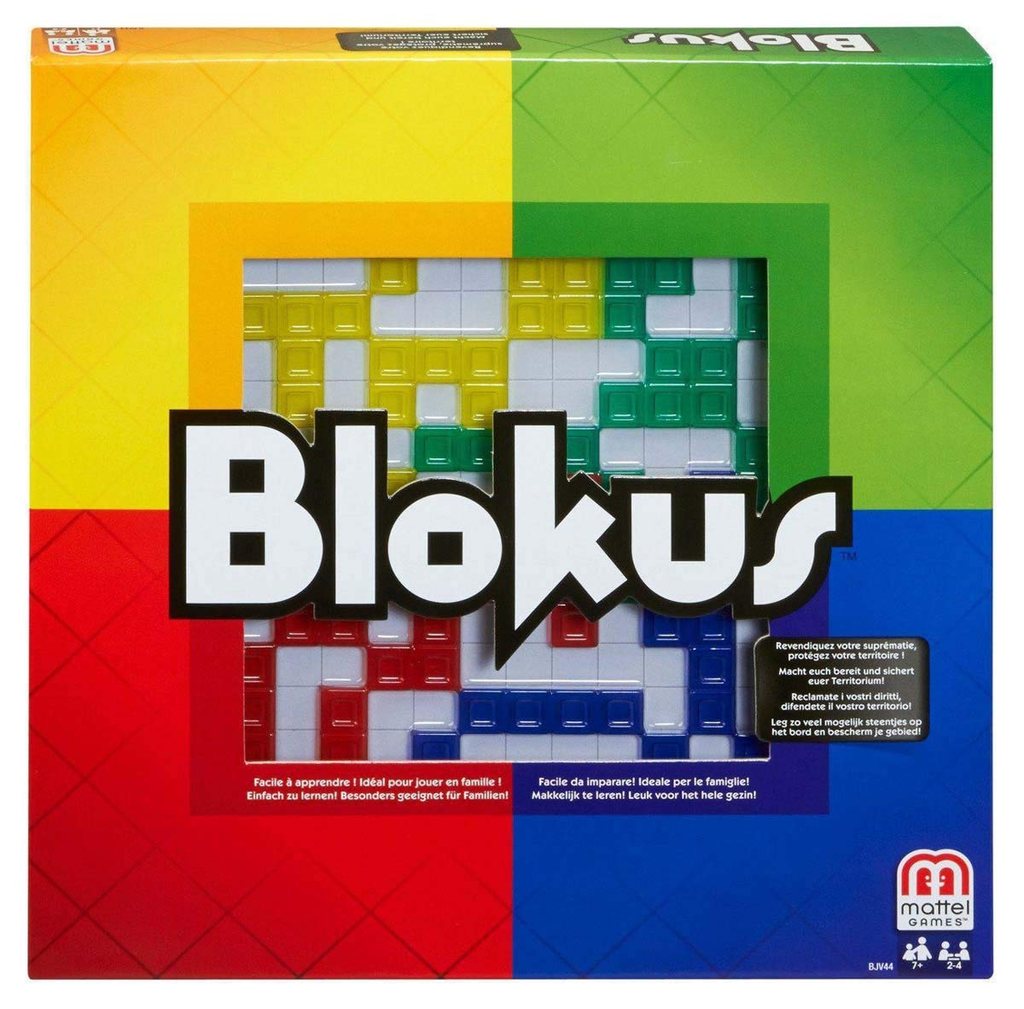 Light weight
Blokus
$39.99, checked Nov 22.
Fit your 21 pieces onto a shared grid where each new piece may touch your own only at the corners. One rule, real depth, best with exactly four.
Buy Blokus · $39.99 → light weight
Qwirkle
$19.99, checked Nov 22.
Match colors and shapes to create rows and columns in a tile game.
Buy Qwirkle · $19.99 →Pick Blokus if
You want open conflict over space: squeeze your pieces through gaps and wall your neighbours in.
Pick Qwirkle if
You want something gentler: add tiles to shared lines by colour or shape and count up the points.
Side by side.
| Fact | Blokus | Qwirkle |
|---|---|---|
| Players | 2-4 | 2-4 |
| Playing time | 20-30 min | 30-45 min |
| Weight | Light | Light |
| Price today | $39.99 | $19.99 |
- Both play at two.
- Both seat up to four.
- Cheaper today: Qwirkle by $20, prices checked Nov 22.
The tradeoff.
Blokus
Blokus is an abstract game with one rule. Each player has 21 plastic pieces in one color, every shape you can make from one to five squares. You take turns placing a piece on the shared board. Each new piece must touch a corner of one of your own pieces and may never share an edge with one. Play continues until nobody can place anything, and the player with the fewest squares left wins.
From that single rule comes a game of squeezing through gaps and sealing off territory. Early on you race for the middle. Later you hunt for the one corner that lets a small piece slip into space your neighbor thought was theirs. Children of seven can play properly and adults can play seriously, which is why it has stayed in print since 2000. It is at its best with four. With three, one color gets ganged up on less evenly, and for two players the smaller Blokus Duo is the better buy.
Best for: Family with Kids, 3-4 Players, Board Games for Beginners
Qwirkle
Qwirkle distills tile-laying into its purest form. Players draw tiles bearing one of six colors and six shapes, then place them onto a shared grid to form lines, either matching colors with different shapes or matching shapes with different colors. On your turn, you add one or more tiles to existing rows or create new ones, scoring points for every tile in the completed line. The deck runs dry, players draw more tiles, and the game ends when nobody can or wants to play. It's genuinely that straightforward, which is precisely why it works so well as an introduction to strategic thinking.
What distinguishes Qwirkle from other light abstracts is its elegant tension between simplicity and decision-making. Each turn feels meaningful without requiring advanced planning, and the satisfaction of completing a line, especially a long one, resonates just enough to keep everyone engaged. The ruleset creates natural teaching moments; new players grasp the core concept within minutes, yet experienced players recognize the subtle positioning that separates cautious play from aggressive scoring. This sweet spot of accessibility and depth makes it genuinely fun rather than merely functional.
Best for: Board Games for Beginners
These are editorial picks; publishers cannot pay to appear here. Amazon links fund the site, and if you'd rather buy local, find a store via BoardGameGeek.
Also worth considering.
Games that share contexts with both Blokus and Qwirkle.
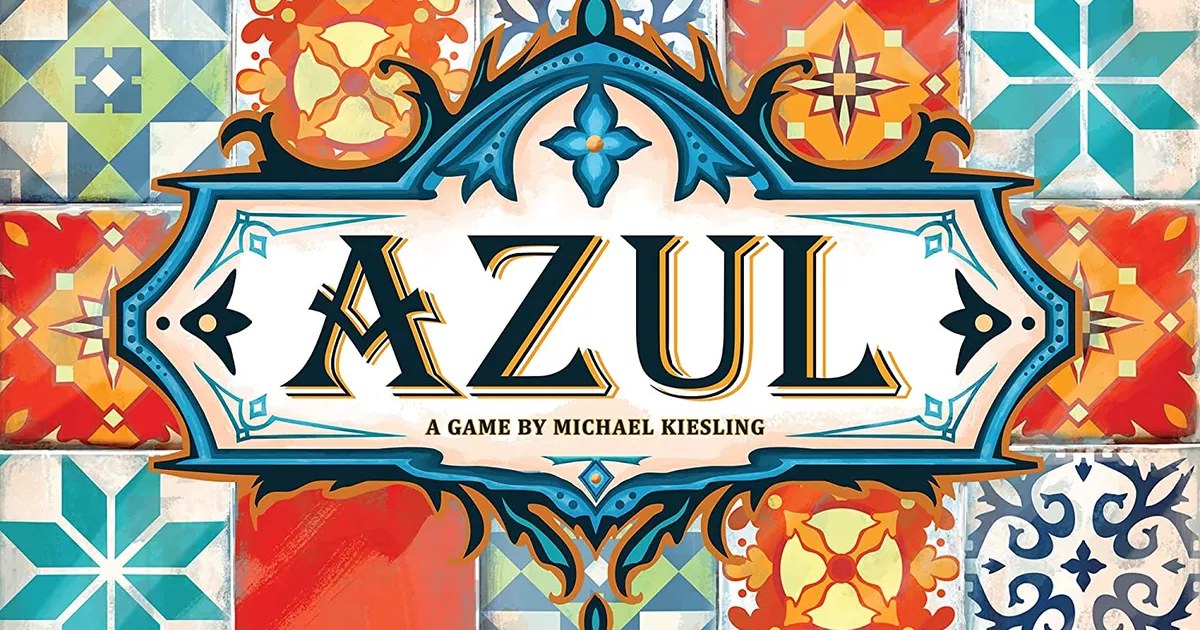
Pattern-laying tile game. Looks beautiful on the table. Teaches in five minutes.…
Word-association party game. Plays with grandparents, college kids, anyone in between.…
Cooperative classic. Save the world together. The game that converts non-gamers.…
Train routes across America. Five minutes to learn, plays for years.…