Head-to-head comparison
Labyrinth vs Kingdomino
Both are family games for ages seven or so and up with no reading. Labyrinth is the more memorable toy; Kingdomino is quicker and fairer.
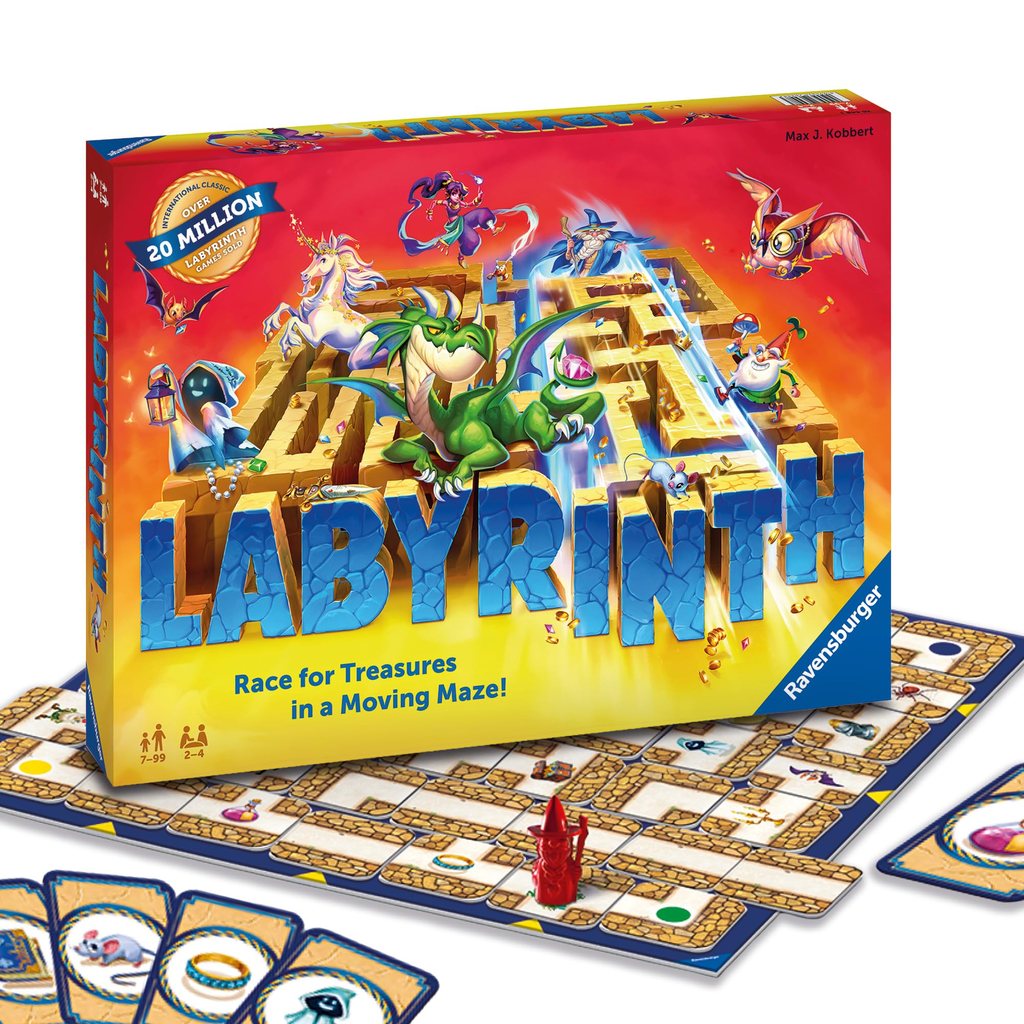 Light weight
Labyrinth
$29.99, checked Nov 22.
Push a tile into the maze, watch a whole row slide, then run for your treasure. A family game from 1986 that children still ask for.
Buy Labyrinth · $29.99 →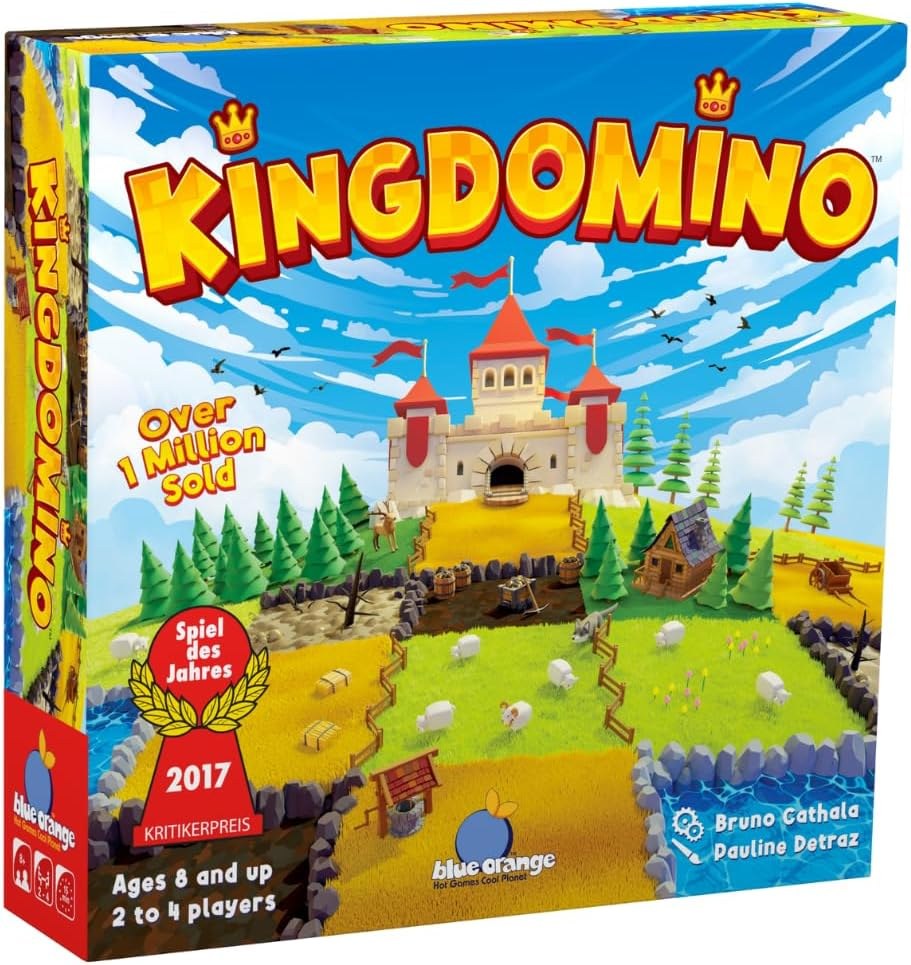 Light weight
Kingdomino
$19.95, checked Nov 22. Was $24.99 before Oct 30, down 20%. Lowest price we have recorded in 30 days. On the Black Friday drop list
Dominoes as a tiny kingdom-building puzzle. Fifteen minutes, any age, and it won a Spiel des Jahres for a reason.
Buy Kingdomino · $19.95 →Pick Labyrinth if
You want a board that moves, and a game about spotting a path that nobody else has seen.
Pick Kingdomino if
You want a short drafting game where each player builds a little kingdom of their own.
Side by side.
| Fact | Labyrinth | Kingdomino |
|---|---|---|
| Players | 2-4 | 2-4 |
| Playing time | 20-30 min | 15-20 min |
| Weight | Light | Light |
| Price today | $29.99 | $19.95 |
- Both play at two.
- Both seat up to four.
- Cheaper today: Kingdomino by $10.04, prices checked Nov 22.
The tradeoff.
Labyrinth
Labyrinth is a maze that moves. The board is a grid of path tiles, some fixed and some loose, with one tile left over. On your turn you push the spare tile into the end of a row, which slides every tile in that row along by one and pops a new spare out the other side. Then you move your pawn as far as you like along the open paths, trying to reach the treasure shown on your top card.
The pleasure is in seeing the route before you push. One slide can open a corridor straight to your goal or wall off an opponent who was one step from theirs. Children of seven are often better at this than their parents, since it is spatial rather than verbal and needs no reading. It has been in print since 1986 and the Ravensburger production is sturdy. There is some luck in which treasures you draw, and a mean player can spend their turn blocking instead of scoring, so set expectations with competitive siblings.
Best for: Family with Kids, Board Games for Beginners, With Grandparents
Kingdomino
Kingdomino takes the dominoes everyone already understands and turns them into a fifteen-minute kingdom builder. Each tile is two squares of terrain (wheat, forest, lake, grassland, swamp, mine), some carrying crowns. Each round a line of four tiles is revealed and players claim them in order of the tile they took last round, so choosing a great tile now means choosing later next time. You add your tile to a five-by-five grid around your castle, matching at least one terrain type to an adjacent square, and at the end each region scores its number of squares multiplied by its crowns.
The cleverness is that the good tiles are usually the ones with crowns, and crowns tend to sit on the tiles everyone wants, so the turn-order mechanism does real work. Do you take the mediocre tile that lets you pick first next round, or the lake with two crowns that sends you to the back of the line? Kids grasp the multiplication scoring by their second game and adults find enough to think about, which is the balance a family game rarely hits.
Best for: Family with Kids, 30 Minutes or Less, Board Games for Beginners
These are editorial picks; publishers cannot pay to appear here. Amazon links fund the site, and if you'd rather buy local, find a store via BoardGameGeek.
Also worth considering.
Games that share contexts with both Labyrinth and Kingdomino.
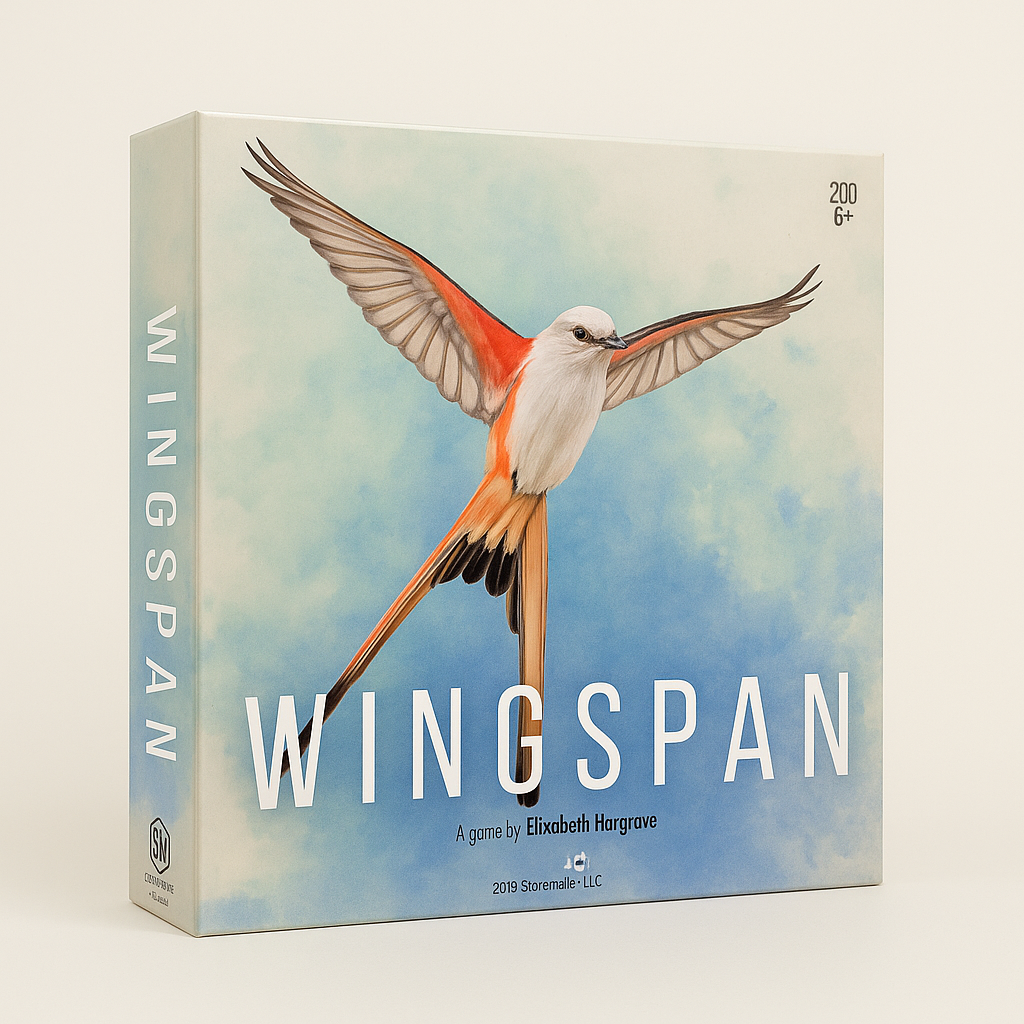
Birds, engine-building, exquisite art. Plays light enough for casual nights, deep enough for repeat play.…

Pattern-laying tile game. Looks beautiful on the table. Teaches in five minutes.…

The two-player version that's actually better than the original. Tense, every choice matters.…

Word-association party game. Plays with grandparents, college kids, anyone in between.…