Head-to-head comparison
Labyrinth vs Wandering Towers
Both have a board that shifts under the players. Labyrinth is simpler and suits younger children; Wandering Towers takes six and has more laughs.
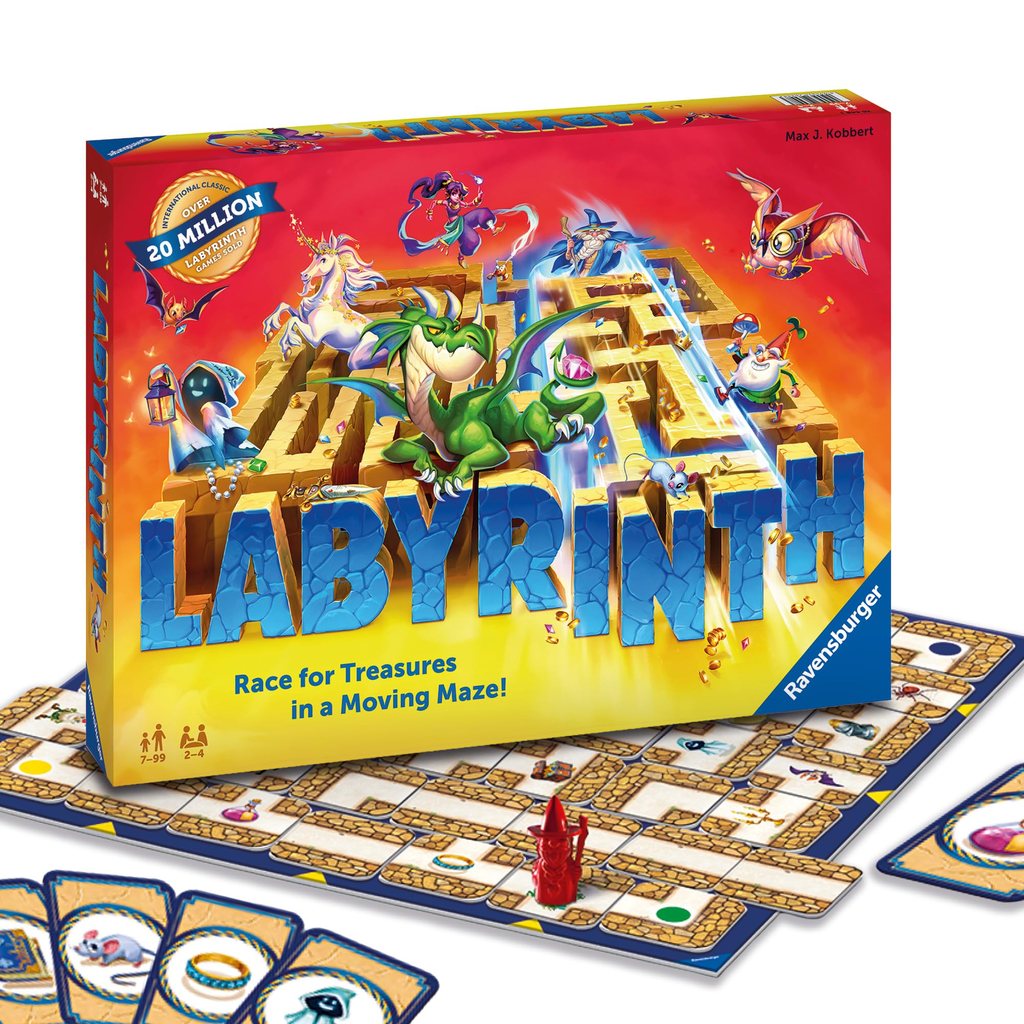 Light weight
Labyrinth
$29.99, checked Nov 22.
Push a tile into the maze, watch a whole row slide, then run for your treasure. A family game from 1986 that children still ask for.
Buy Labyrinth · $29.99 →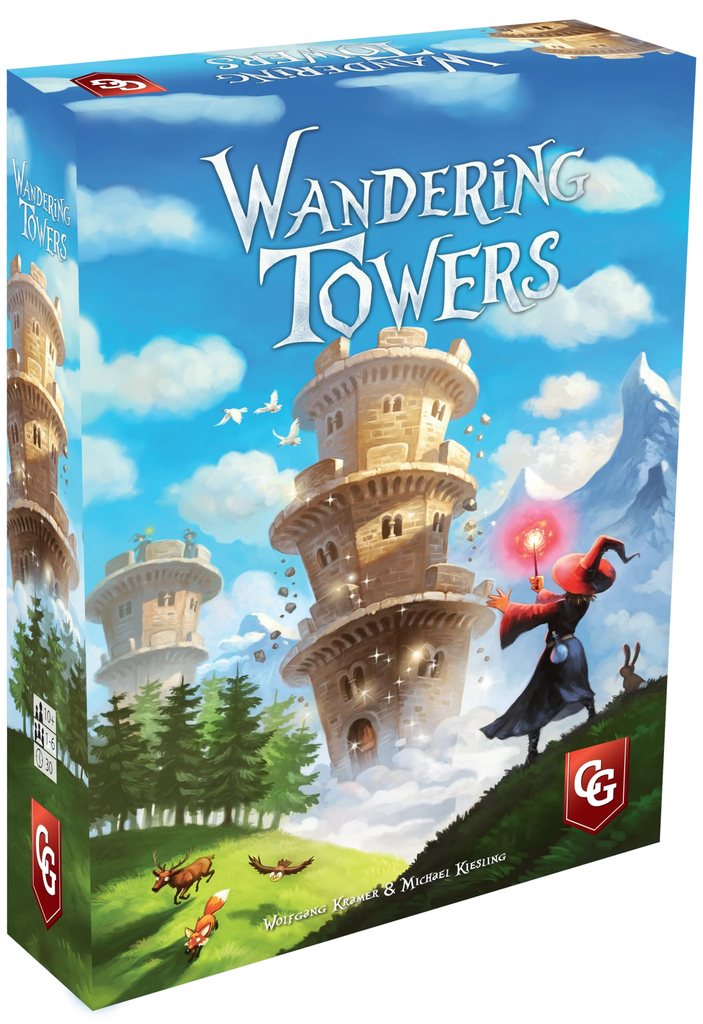 Light weight
Wandering Towers
$29.90, checked Nov 22.
Move wizards and whole towers around a ring. Land a tower on top of someone's wizard and they are trapped until they remember where they are.
Buy Wandering Towers · $29.9 →Pick Labyrinth if
You want the classic: slide a row of the maze and walk your pawn to the next treasure.
Pick Wandering Towers if
You want something newer with a memory twist, where towers stack on top of wizards and hide them.
Side by side.
| Fact | Labyrinth | Wandering Towers |
|---|---|---|
| Players | 2-4 | 1-6 |
| Playing time | 20-30 min | 30 min |
| Weight | Light | Light |
| Price today | $29.99 | $29.90 |
- Both play at two.
- Solo: Wandering Towers has a solo mode, Labyrinth does not.
- Biggest table: Wandering Towers seats six, Labyrinth stops at four.
- Cheaper today: Wandering Towers by $0.09, prices checked Nov 22.
The tradeoff.
Labyrinth
Labyrinth is a maze that moves. The board is a grid of path tiles, some fixed and some loose, with one tile left over. On your turn you push the spare tile into the end of a row, which slides every tile in that row along by one and pops a new spare out the other side. Then you move your pawn as far as you like along the open paths, trying to reach the treasure shown on your top card.
The pleasure is in seeing the route before you push. One slide can open a corridor straight to your goal or wall off an opponent who was one step from theirs. Children of seven are often better at this than their parents, since it is spatial rather than verbal and needs no reading. It has been in print since 1986 and the Ravensburger production is sturdy. There is some luck in which treasures you draw, and a mean player can spend their turn blocking instead of scoring, so set expectations with competitive siblings.
Best for: Family with Kids, Board Games for Beginners, With Grandparents
Wandering Towers
Wandering Towers is a family game with a great toy at its core. A ring of spaces holds a set of cardboard towers that stack on one another, and the wizards belonging to each player. On your turn you play cards to move a wizard or a tower clockwise. A tower that moves carries everything above it and can land on top of other pieces, hiding the wizards underneath. Trap a wizard and you fill one of your potion flasks.
The aim is to get all your wizards into the black keep and fill all your flasks. The keep moves too, so the finish line keeps walking away. The memory part sneaks up on people: after a few rounds, half the wizards are buried and nobody is sure where. It is by Michael Kiesling and Wolfgang Kramer, who have been designing family games for decades. It handles six players well, takes half an hour, and children of eight can beat adults at it.
Best for: Family with Kids, 5+ Players, 3-4 Players
These are editorial picks; publishers cannot pay to appear here. Amazon links fund the site, and if you'd rather buy local, find a store via BoardGameGeek.
Also worth considering.
Games that share contexts with both Labyrinth and Wandering Towers.
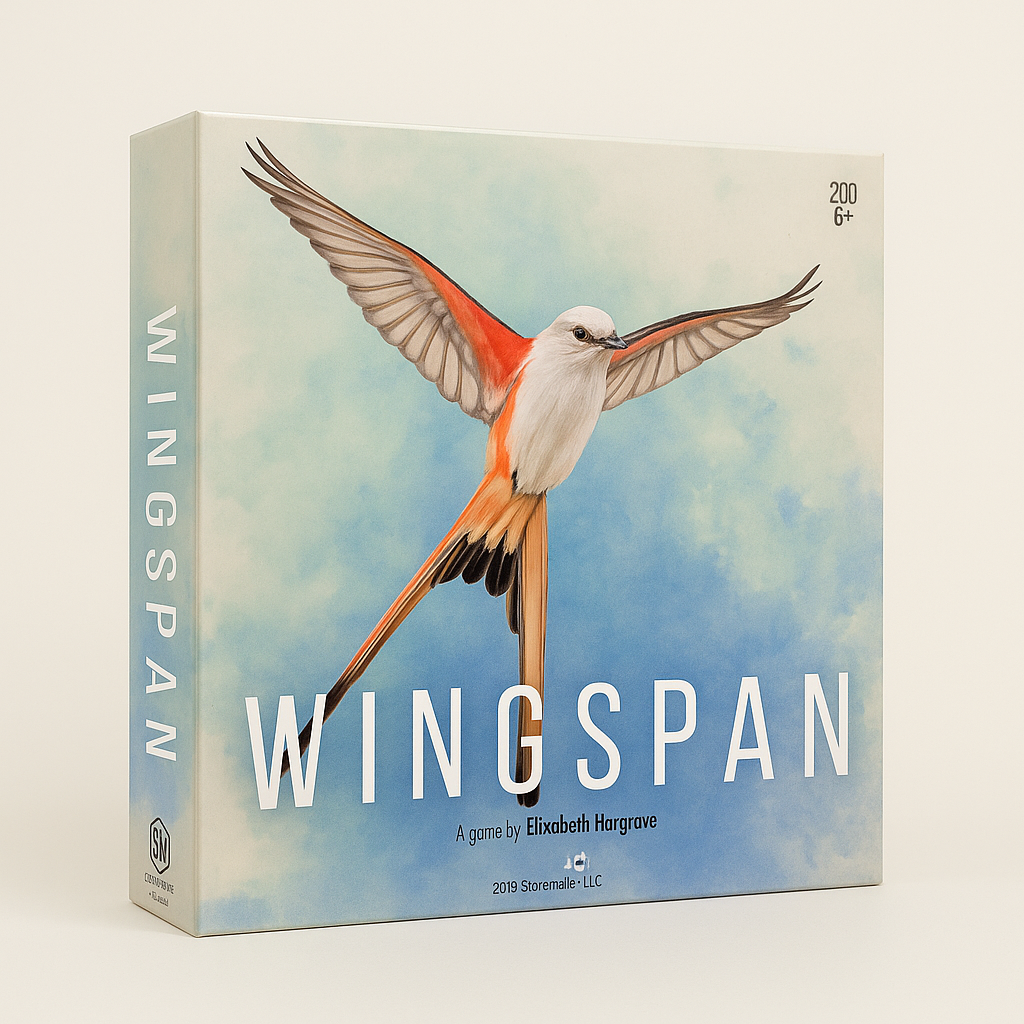
Birds, engine-building, exquisite art. Plays light enough for casual nights, deep enough for repeat play.…

Pattern-laying tile game. Looks beautiful on the table. Teaches in five minutes.…
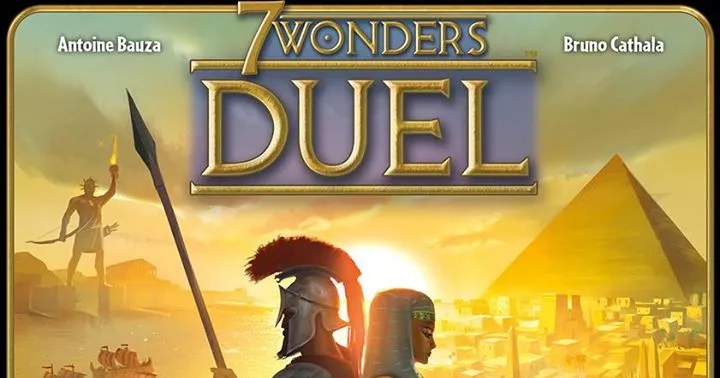
The two-player version that's actually better than the original. Tense, every choice matters.…

Word-association party game. Plays with grandparents, college kids, anyone in between.…