Head-to-head comparison
Lords of Waterdeep vs Viticulture Essential Edition
Both are worker placement games that welcome new players. Lords of Waterdeep is simpler and plays five; Viticulture is a little deeper and has a solo mode.
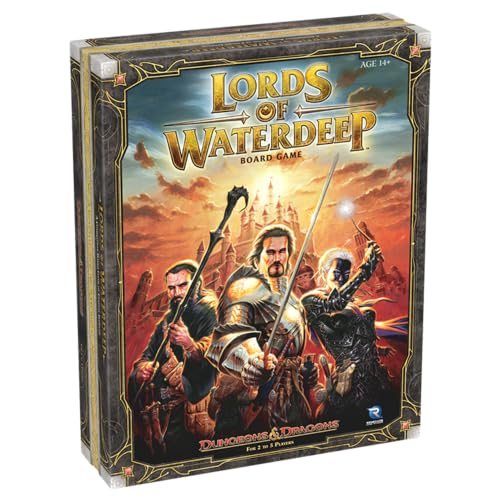 Medium weight
Lords of Waterdeep
$50, checked Nov 22.
Dungeons & Dragons dressed as a worker placement game: send agents around the city, hire adventurers, finish quests. The friendliest way into heavier strategy.
Buy Lords of Waterdeep · $50 →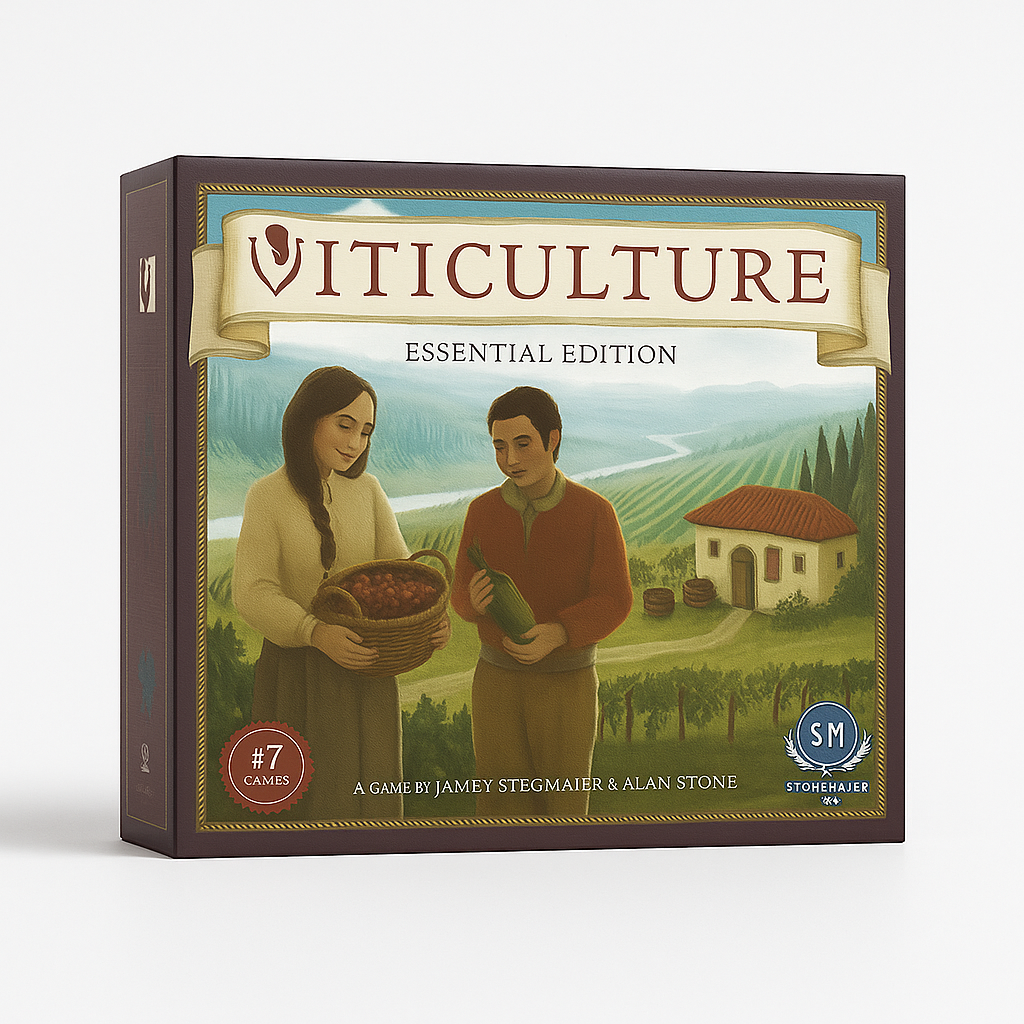 medium weight
Viticulture Essential Edition
$52, checked Nov 22.
Run your own vineyard by planting vines and harvesting grapes.
Buy Viticulture Essential Edition · $52 →Pick Lords of Waterdeep if
You want the easier teach: one agent, one space, one clear reward, with a fantasy city and quests that tell you what to collect.
Pick Viticulture Essential Edition if
You want more to plan: seasons, vines that take years to pay off, and a wake-up track that decides who goes first.
Side by side.
| Fact | Lords of Waterdeep | Viticulture Essential Edition |
|---|---|---|
| Players | 2-5 | 1-6 |
| Playing time | 60-120 min | 45-90 min |
| Weight | Medium | Medium |
| Price today | $50 | $52 |
- Both play at two.
- Solo: Viticulture Essential Edition has a solo mode, Lords of Waterdeep does not.
- Biggest table: Viticulture Essential Edition seats six, Lords of Waterdeep stops at five.
- Cheaper today: Lords of Waterdeep by $2, prices checked Nov 22.
The tradeoff.
Lords of Waterdeep
Lords of Waterdeep is a worker placement game set in the best known city of Dungeons & Dragons, and you need to know nothing about D&D to play it. Each round you place a handful of agents on buildings around the board. One spot gives fighters, another gives wizards, another gives gold or a new quest. You spend those adventurers to complete quest cards, and quests are where the points come from. Every player also holds a secret lord card that pays a bonus for certain quest types at the end.
It earns its reputation as a teaching game. A turn is one decision: put one agent on one space. The rules fit in a ten minute explanation, and the intrigue cards let you poke at other players without wrecking anyone's evening. Experienced groups will find it lighter than Agricola or Viticulture, since the adventurers are really just colored cubes. For a table that has played Catan and Ticket to Ride and wants the next step, this is one of the safest picks there is.
Best for: 3-4 Players, Strategy Night, Board Games for Beginners
Viticulture Essential Edition
Viticulture Essential Edition puts you in charge of a budding vineyard across a series of seasons. Each turn, you'll take two actions from a small but meaningful menu: plant grape vines, build structures, harvest grapes, make wine, or fulfill orders for payment. The beauty lies in its elegant simplicity, there's no overwhelming decision tree, yet the order in which you execute these actions matters tremendously. You're gradually building toward completing wine orders worth victory points, and the first player to twenty points wins. The core loop feels natural and thematic without bogging down in unnecessary simulation.
What separates Viticulture from other medium-weight euros is its remarkable balance between accessibility and genuine strategic tension. Playing feels like running an actual business rather than shuffling tokens around a board. The asymmetrical player powers, drawn randomly at game start, create different viable paths to victory and ensure repeated plays feel fresh. There's real competition without nastiness, and while luck exists through card draws, skilled players consistently outperform lucky ones. The vineyard theme isn't pasted on; every mechanic reinforces the fantasy of building something.
These are editorial picks; publishers cannot pay to appear here. Amazon links fund the site, and if you'd rather buy local, find a store via BoardGameGeek.