Head-to-head comparison
Onitama vs Santorini
Both teach in two minutes and play in twenty. Onitama is the tighter duel; Santorini has more variety and can seat three or four.
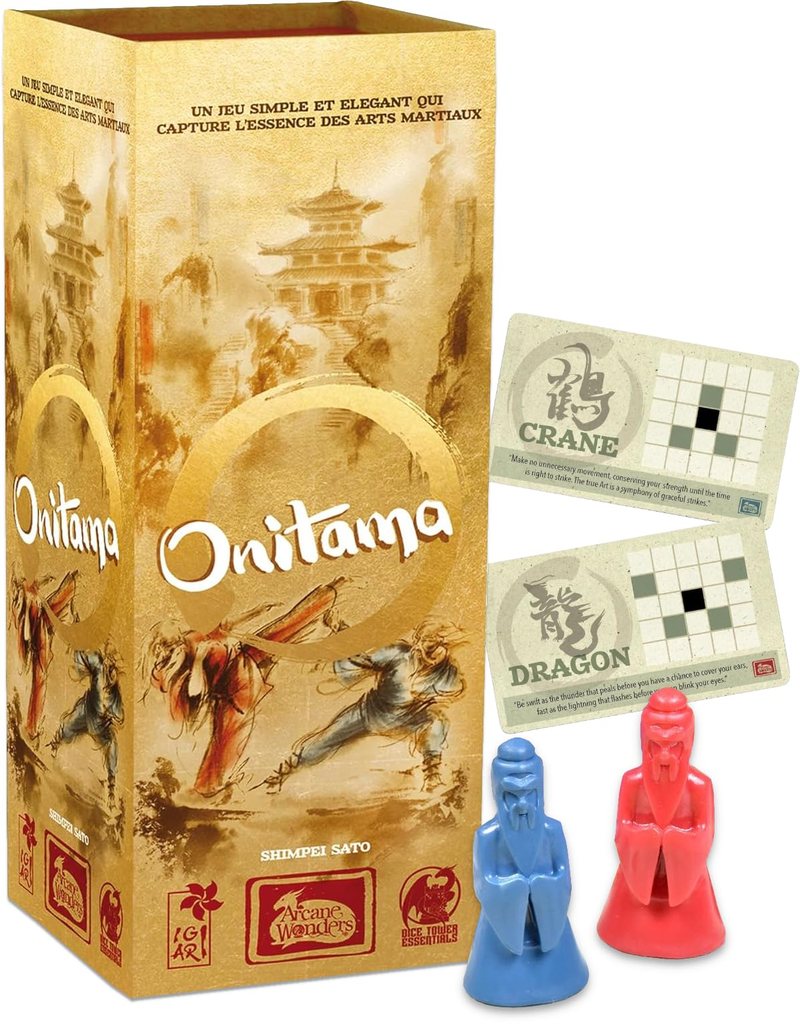 Light weight
Onitama
$29.99, checked Nov 22.
Chess shrunk to a 5x5 board and five pawns, with the legal moves printed on cards that pass back and forth between the two players.
Buy Onitama · $29.99 →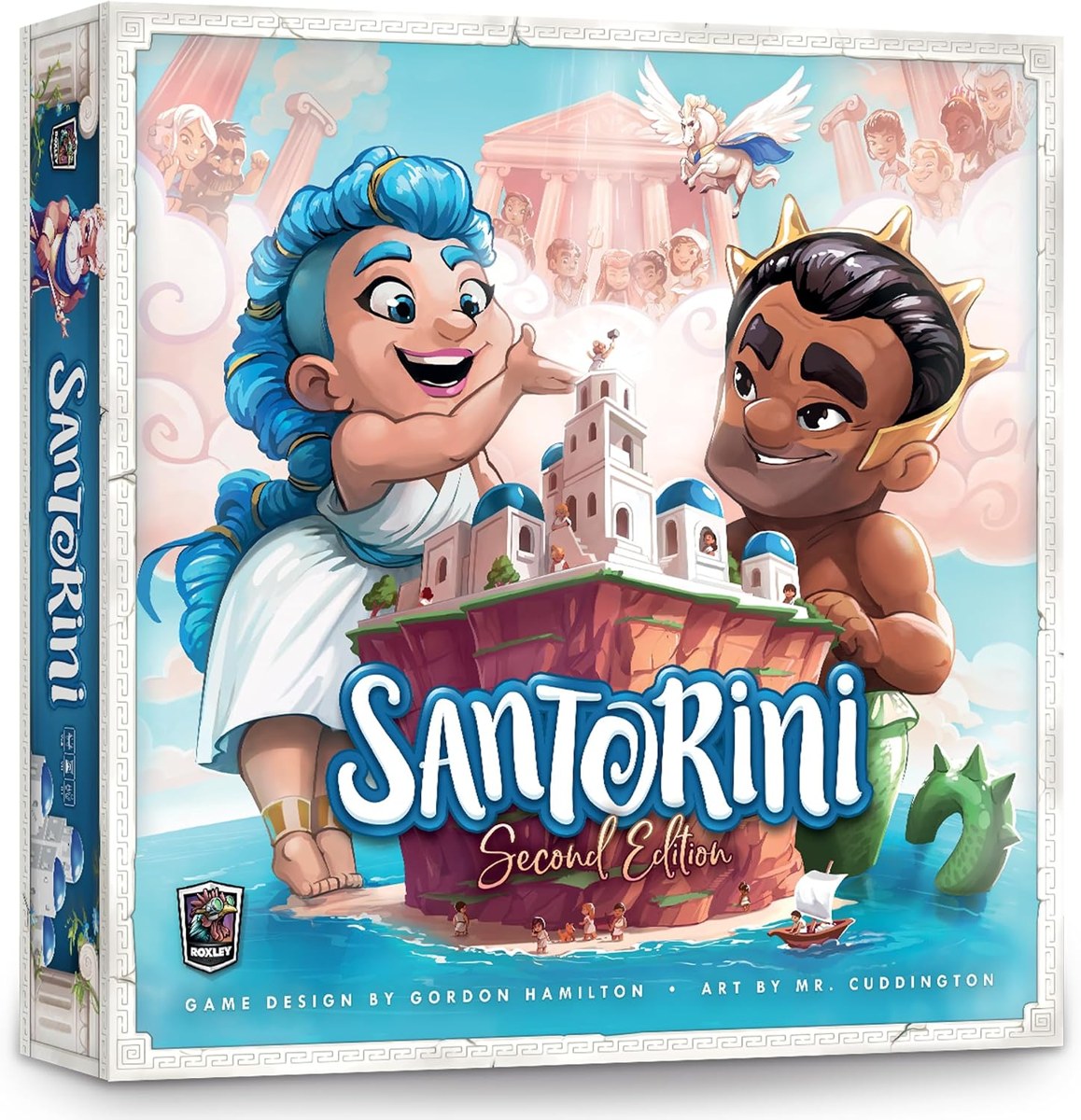 Light weight
Santorini
$49.99, checked Nov 22. Was $57.95 before Nov 3, down 14%. On the Black Friday drop list
A two-player abstract with god powers and a tiny Greek island. Teaches in a minute, rewards a hundred plays.
Buy Santorini · $49.99 →Pick Onitama if
You want pure movement on a flat grid, with the twist that every move card you use goes to your opponent.
Pick Santorini if
You want to build: move a worker, add a level to a tower, and race to stand on the third floor, with god powers to vary it.
Side by side.
| Fact | Onitama | Santorini |
|---|---|---|
| Players | 2 | 2-4 |
| Playing time | 15-20 min | 20 min |
| Weight | Light | Light |
| Price today | $29.99 | $49.99 |
- Both play at two.
- Biggest table: Santorini seats four, Onitama stops at two.
- Cheaper today: Onitama by $20, prices checked Nov 22.
The tradeoff.
Onitama
Onitama is an abstract duel played on a five by five grid. Each side has a master and four students. There are only five move cards in the whole game, drawn at random from a deck of sixteen at setup: two in front of you, two in front of your opponent, one to the side. On your turn you use one of your cards to move a piece the way it shows, then hand that card to your opponent's side. You win by capturing the enemy master or walking your own master onto their starting square.
Because every card you use becomes a card your opponent can use two turns later, you are always weighing the move you want against the move you are giving away. It teaches in two minutes and a game lasts about fifteen. The roll-up neoprene board and chunky pieces make it feel like a gift rather than a filler. Chess players tend to take to it at once, and it is a good choice for a child who is ready for strategy but not for a full chess opening.
Best for: Two Players, Chess Players, 30 Minutes or Less
Santorini
Santorini is an abstract strategy game with one rule: move one of your two builders to an adjacent space, then build on a space adjacent to it. Buildings rise in levels, and the first player to move a builder onto the third level wins. Builders can climb only one level per move and cannot climb onto a dome, which you can build on top of a third level to cap it. That is the entire base game, and it is already a sharp, quick duel with the feel of a miniature chess variant.
The god power cards turn it into a different game every time. Each player takes one, Apollo can swap places with an opponent, Artemis moves twice, Atlas builds domes anywhere, Pan wins by jumping down two levels. The powers are wildly asymmetric and combine in ways that create new tactics, so two experienced players can play thirty rounds and keep finding lines. The plastic island and stacking buildings make it one of the prettiest games to leave out on a table.
Best for: Two Players, Board Games for Beginners, Family with Kids
These are editorial picks; publishers cannot pay to appear here. Amazon links fund the site, and if you'd rather buy local, find a store via BoardGameGeek.
Also worth considering.
Games that share contexts with both Onitama and Santorini.
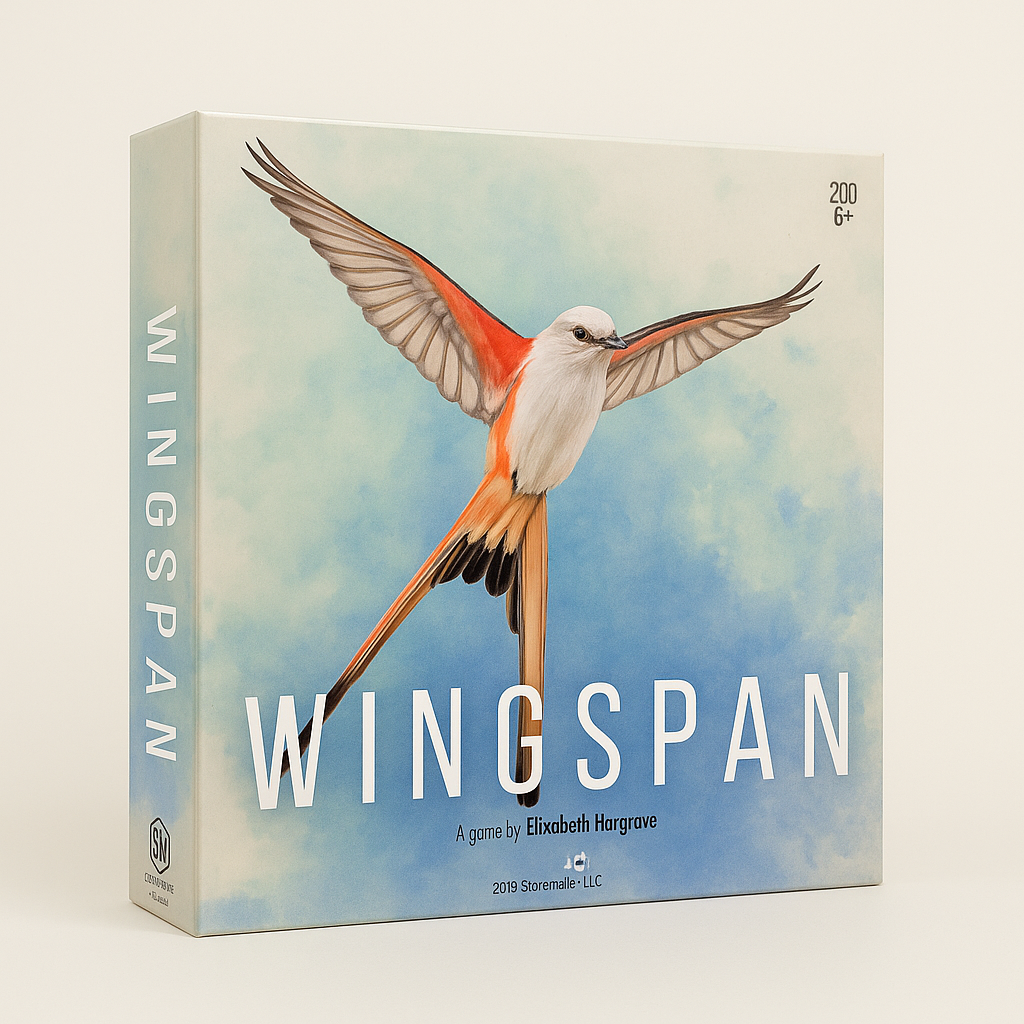
Birds, engine-building, exquisite art. Plays light enough for casual nights, deep enough for repeat play.…
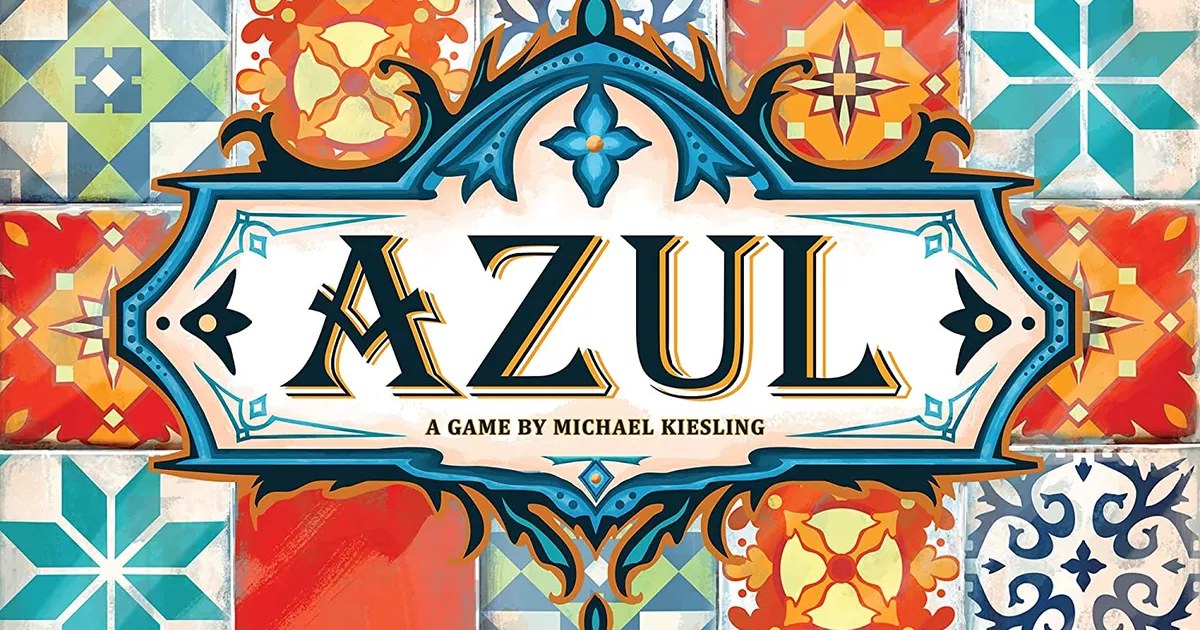
Pattern-laying tile game. Looks beautiful on the table. Teaches in five minutes.…
The two-player version that's actually better than the original. Tense, every choice matters.…
Word-association party game. Plays with grandparents, college kids, anyone in between.…