Head-to-head comparison
Race for the Galaxy vs Dominion
Dominion is far easier to teach. Race for the Galaxy is faster once known and has more depth per minute.
 Medium weight
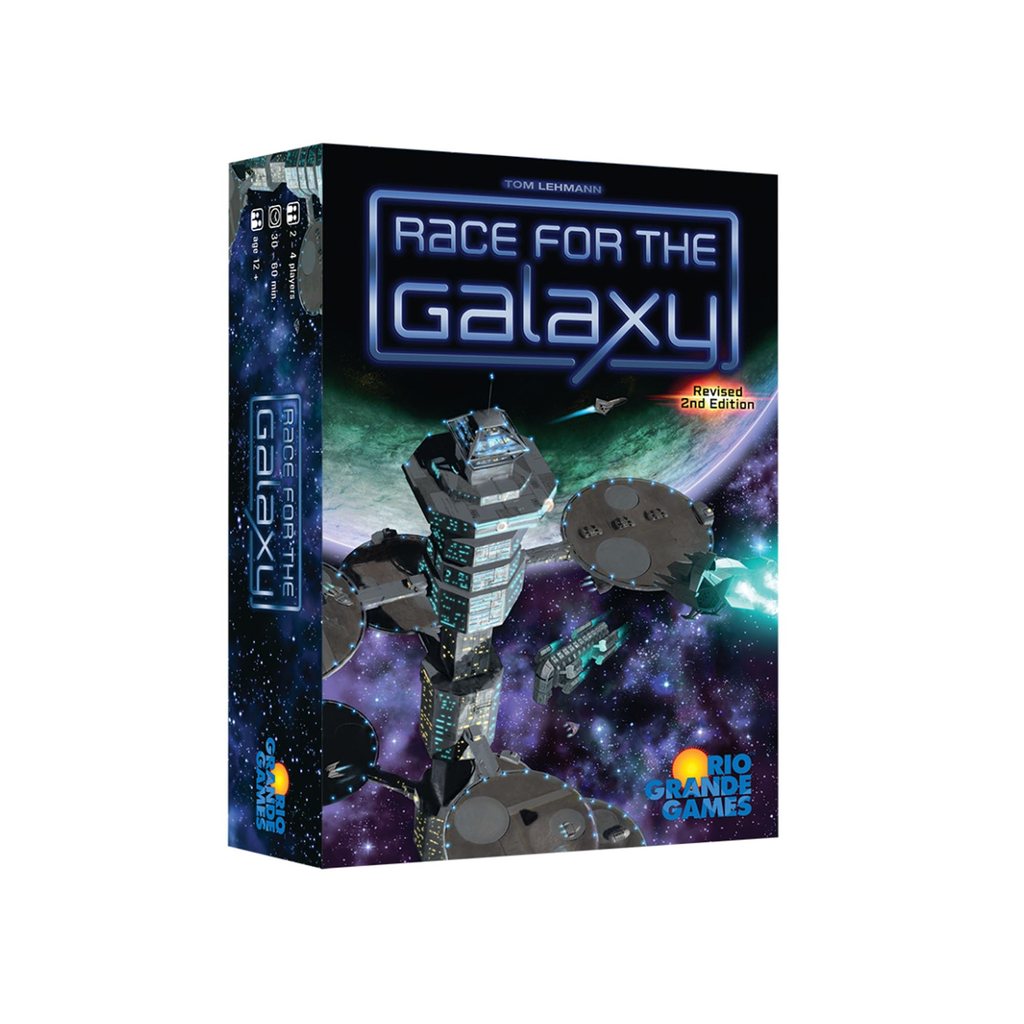
Race for the Galaxy
$31, checked Nov 22. Was $30.68 before Nov 22, up 1%.
A fast card game of building a space empire where your cards are also your money. Steep first game, endless replay after that.
Buy Race for the Galaxy · $31 →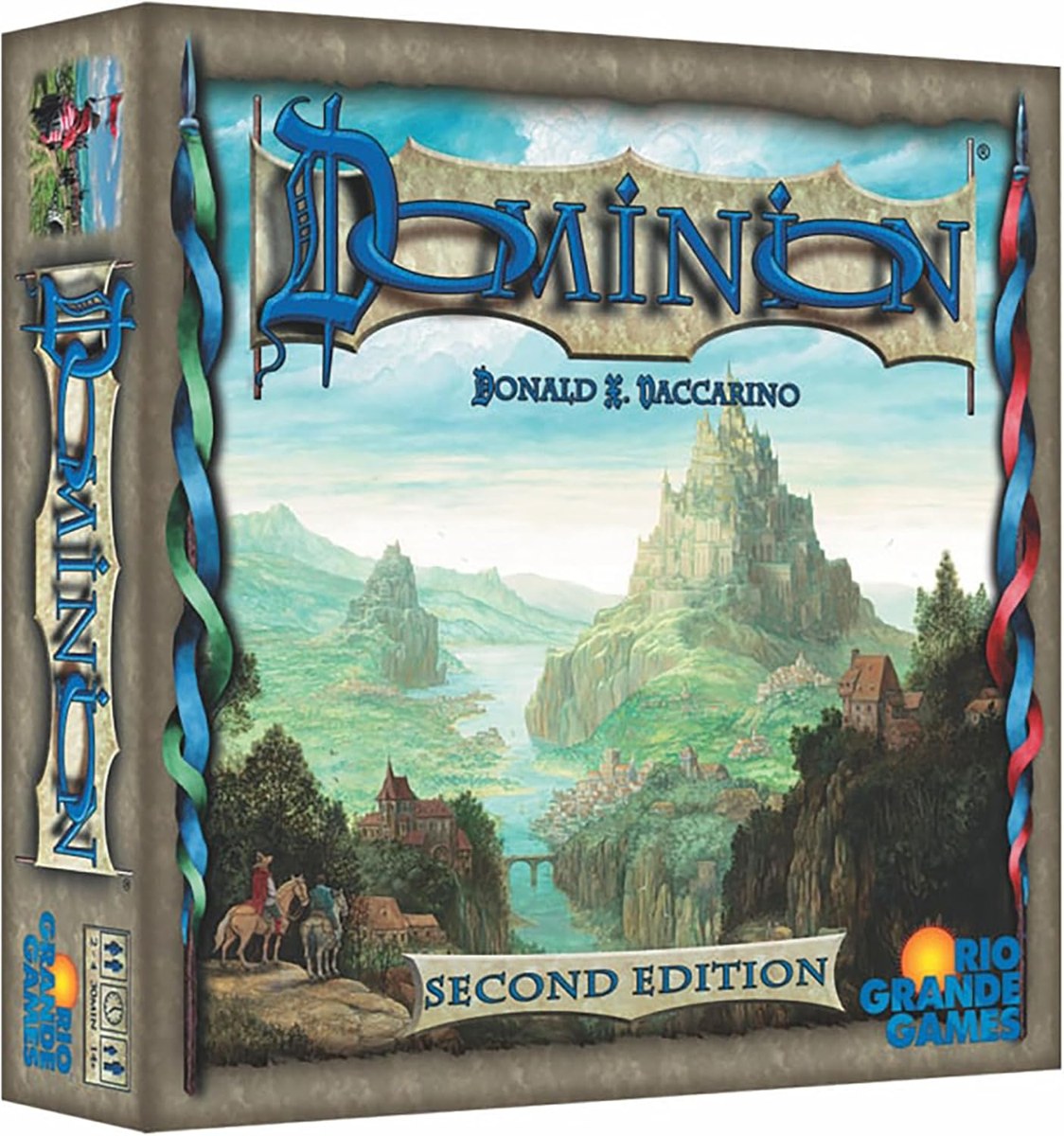 Medium weight
Dominion
$37.76, checked Nov 22. Was $38.61 before Nov 21, down 2%. On the Black Friday drop list
The game that invented deck building. Still the cleanest version of the idea.
Buy Dominion · $37.76 →Pick Race for the Galaxy if
You want a tableau that stays in front of you and grows, with simultaneous turns and almost no waiting.
Pick Dominion if
You want the original deckbuilder: buy cards, shuffle, draw them again, with rules that fit on one page.
Side by side.
| Fact | Race for the Galaxy | Dominion |
|---|---|---|
| Players | 2-4 | 2-4 |
| Playing time | 30-60 min | 30 min |
| Weight | Medium | Medium |
| Price today | $31 | $37.76 |
- Both play at two.
- Both seat up to four.
- Cheaper today: Race for the Galaxy by $6.76, prices checked Nov 22.
The tradeoff.
Race for the Galaxy
Race for the Galaxy is a card game where everyone builds a row of planets and technologies, and the cards in your hand double as currency. To play a world that costs four, you discard four other cards. Each round every player secretly picks one phase, such as exploring, settling or trading, and only the chosen phases happen. You get a bonus for the one you picked, and you get to ride along on whatever your opponents picked.
The hurdle is the iconography. Cards are covered in small symbols instead of text, and the first game or two feels like reading a foreign menu. Once it clicks, a full game takes about half an hour and no two feel alike, because the deck is large and you see only a slice of it. It plays very well with two. Players mostly watch their own tableau, so it suits people who like quiet optimization more than table talk. If the symbols worry you, San Juan covers similar ground in plain words.
Best for: Two Players, Strategy Night, 3-4 Players
Dominion
Dominion is the original deck-building game and, fifteen years and a dozen expansions later, still the clearest expression of the idea. Everyone starts with the same ten cards, a mix of weak money and worthless estates. Each turn you draw five, play actions, spend money to buy a card from the shared supply, and discard everything; your purchases shuffle into your deck and change what you draw later. The goal is victory points, but victory cards clog your hand, so the whole game is a tension between improving your deck and knowing when to start cashing out.
What keeps it alive is the setup. Only ten kingdom card piles are used each game out of dozens in the box, so every session poses a different question: is there a strong trashing card, is there a way to draw extra cards, does a cheap attack punish greedy players. Experienced players read a kingdom in a minute and pick a plan; new players learn quickly because turns are short and the feedback is immediate. Games run around thirty minutes, which makes it easy to play twice and try a different approach.
Best for: Strategy Night, Two Players, Board Games for Beginners
These are editorial picks; publishers cannot pay to appear here. Amazon links fund the site, and if you'd rather buy local, find a store via BoardGameGeek.
Also worth considering.
Games that share contexts with both Race for the Galaxy and Dominion.

Birds, engine-building, exquisite art. Plays light enough for casual nights, deep enough for repeat play.…
Pattern-laying tile game. Looks beautiful on the table. Teaches in five minutes.…
The two-player version that's actually better than the original. Tense, every choice matters.…
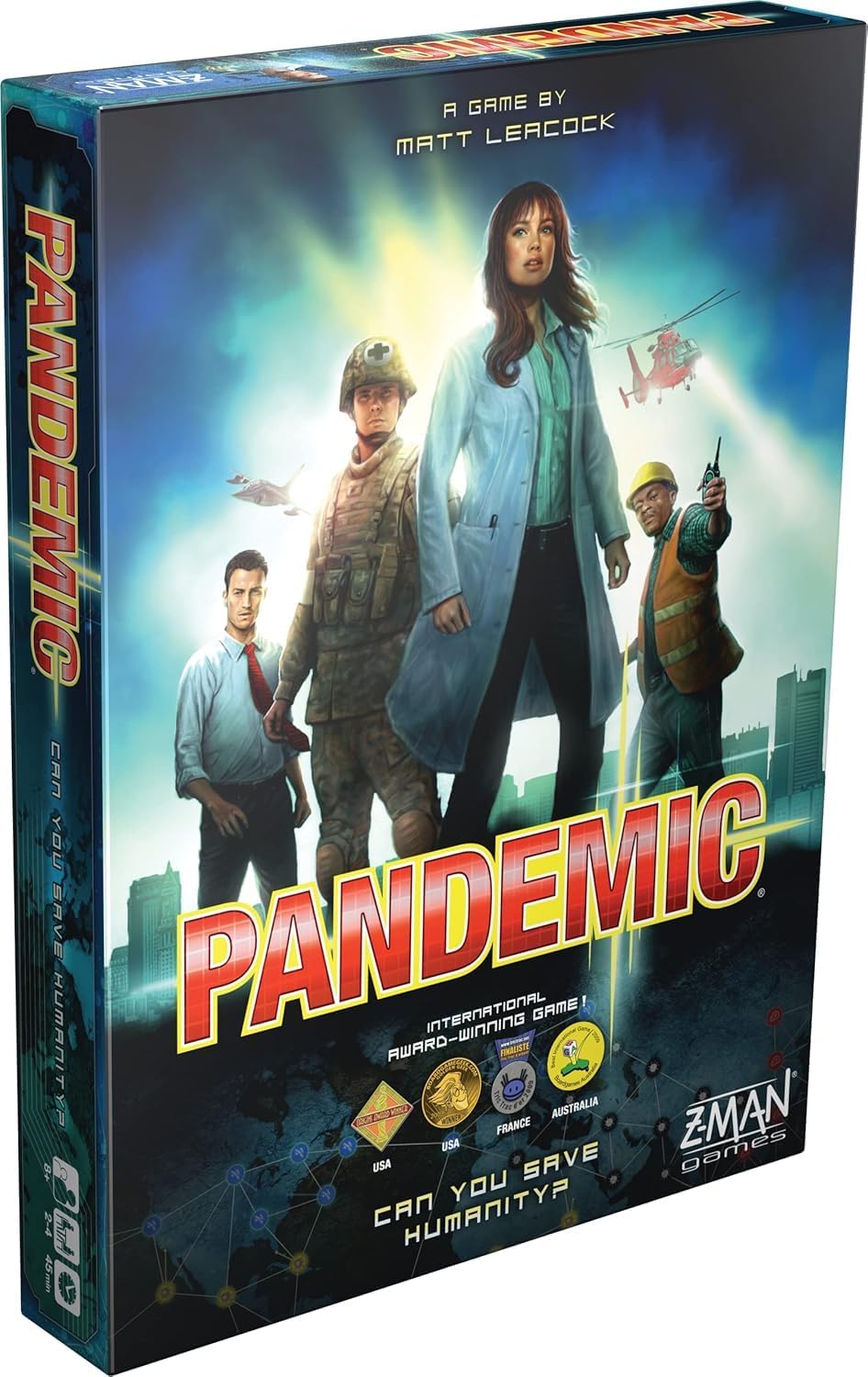
Cooperative classic. Save the world together. The game that converts non-gamers.…