Head-to-head comparison
Rummikub vs Qwirkle
Both are tile games that three generations can share. Rummikub has more to think about; Qwirkle is quicker to learn.
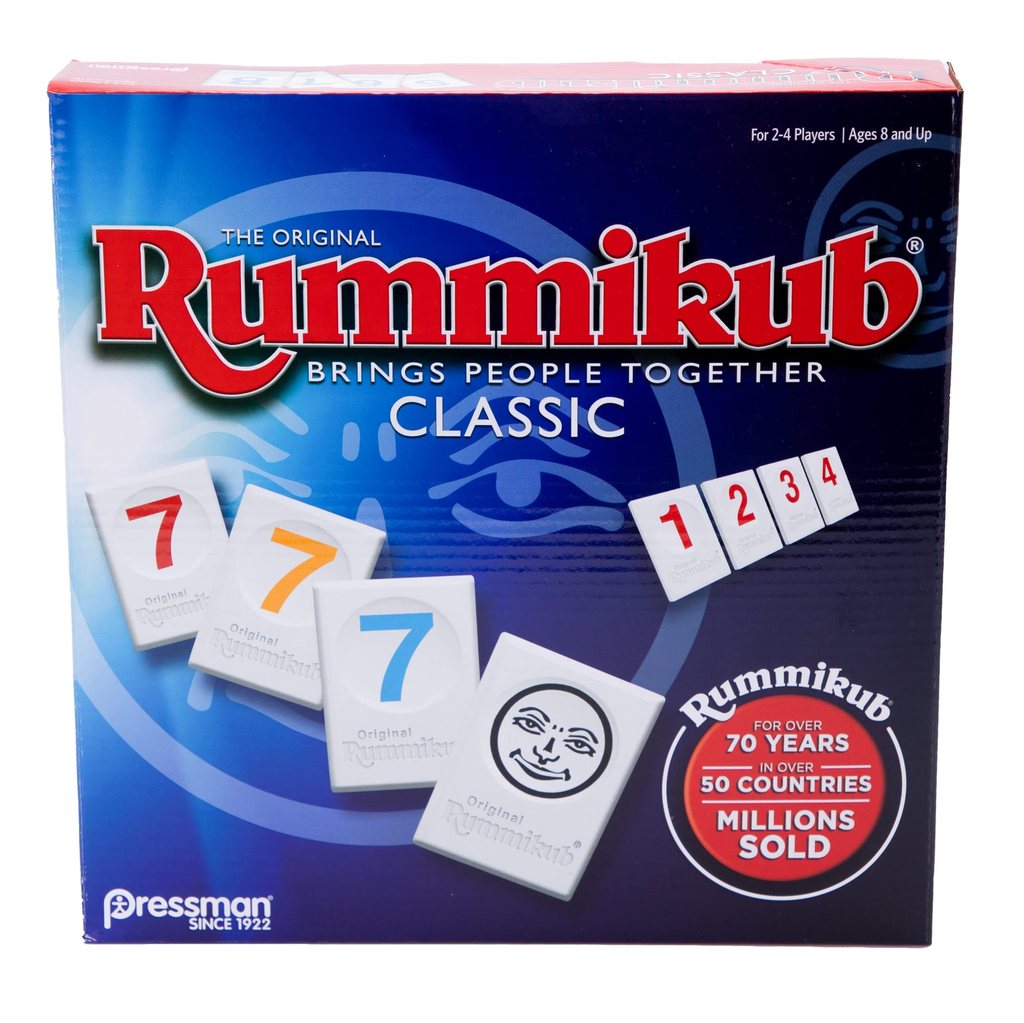 Light weight
Rummikub
$18.99, checked Nov 22.
Rummy played with tiles, where every set on the table can be pulled apart and rebuilt on your turn. A family classic that still earns its place.
Buy Rummikub · $18.99 → light weight
Qwirkle
$19.99, checked Nov 22.
Match colors and shapes to create rows and columns in a tile game.
Buy Qwirkle · $19.99 →Pick Rummikub if
Your table knows rummy and likes numbers, runs and sets, and the puzzle of rearranging what is already played.
Pick Qwirkle if
Your table includes younger children who do better with colours and shapes than with sums.
Side by side.
| Fact | Rummikub | Qwirkle |
|---|---|---|
| Players | 2-4 | 2-4 |
| Playing time | 60 min | 30-45 min |
| Weight | Light | Light |
| Price today | $18.99 | $19.99 |
- Both play at two.
- Both seat up to four.
- Cheaper today: Rummikub by $1, prices checked Nov 22.
The tradeoff.
Rummikub
Rummikub is rummy played with numbered tiles in four colors. You are trying to empty your rack by laying tiles on the table in groups of the same number or runs of the same color. Your first play must add up to at least 30 points. After that, the game opens up, because everything already on the table is fair game. On your turn you may split runs, steal a tile from a group and rearrange the lot, as long as every tile ends the turn in a valid set.
That shared table is what lifts it above a card game. A good turn can involve taking six sets apart to place a single tile, while everyone else watches to see if it all fits back together. It has been sold since the 1950s and is one of the few games that many grandparents already know how to play. Turns can drag with a slow thinker, so some families use a sand timer. Luck of the draw matters, but less than you would expect.
Best for: With Grandparents, Family with Kids, 3-4 Players
Qwirkle
Qwirkle distills tile-laying into its purest form. Players draw tiles bearing one of six colors and six shapes, then place them onto a shared grid to form lines, either matching colors with different shapes or matching shapes with different colors. On your turn, you add one or more tiles to existing rows or create new ones, scoring points for every tile in the completed line. The deck runs dry, players draw more tiles, and the game ends when nobody can or wants to play. It's genuinely that straightforward, which is precisely why it works so well as an introduction to strategic thinking.
What distinguishes Qwirkle from other light abstracts is its elegant tension between simplicity and decision-making. Each turn feels meaningful without requiring advanced planning, and the satisfaction of completing a line, especially a long one, resonates just enough to keep everyone engaged. The ruleset creates natural teaching moments; new players grasp the core concept within minutes, yet experienced players recognize the subtle positioning that separates cautious play from aggressive scoring. This sweet spot of accessibility and depth makes it genuinely fun rather than merely functional.
Best for: Board Games for Beginners
These are editorial picks; publishers cannot pay to appear here. Amazon links fund the site, and if you'd rather buy local, find a store via BoardGameGeek.
Also worth considering.
Games that share contexts with both Rummikub and Qwirkle.
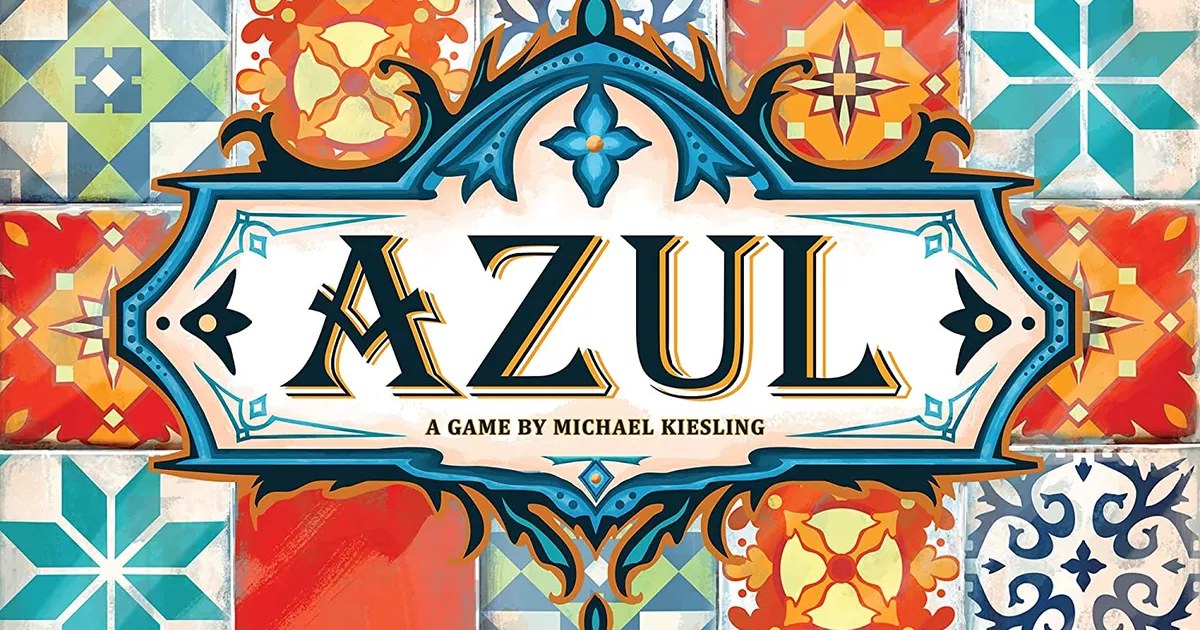
Pattern-laying tile game. Looks beautiful on the table. Teaches in five minutes.…

Word-association party game. Plays with grandparents, college kids, anyone in between.…
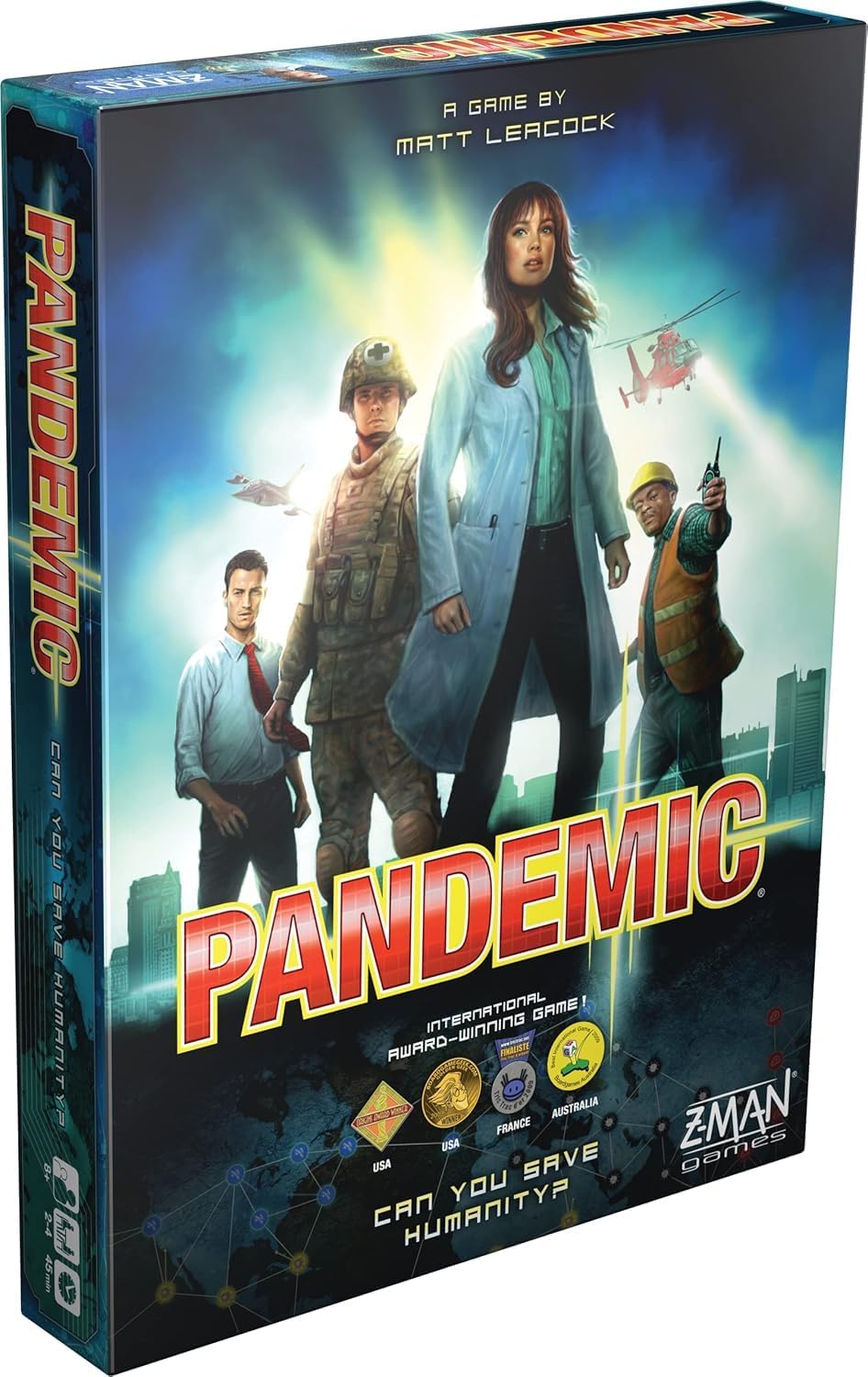
Cooperative classic. Save the world together. The game that converts non-gamers.…
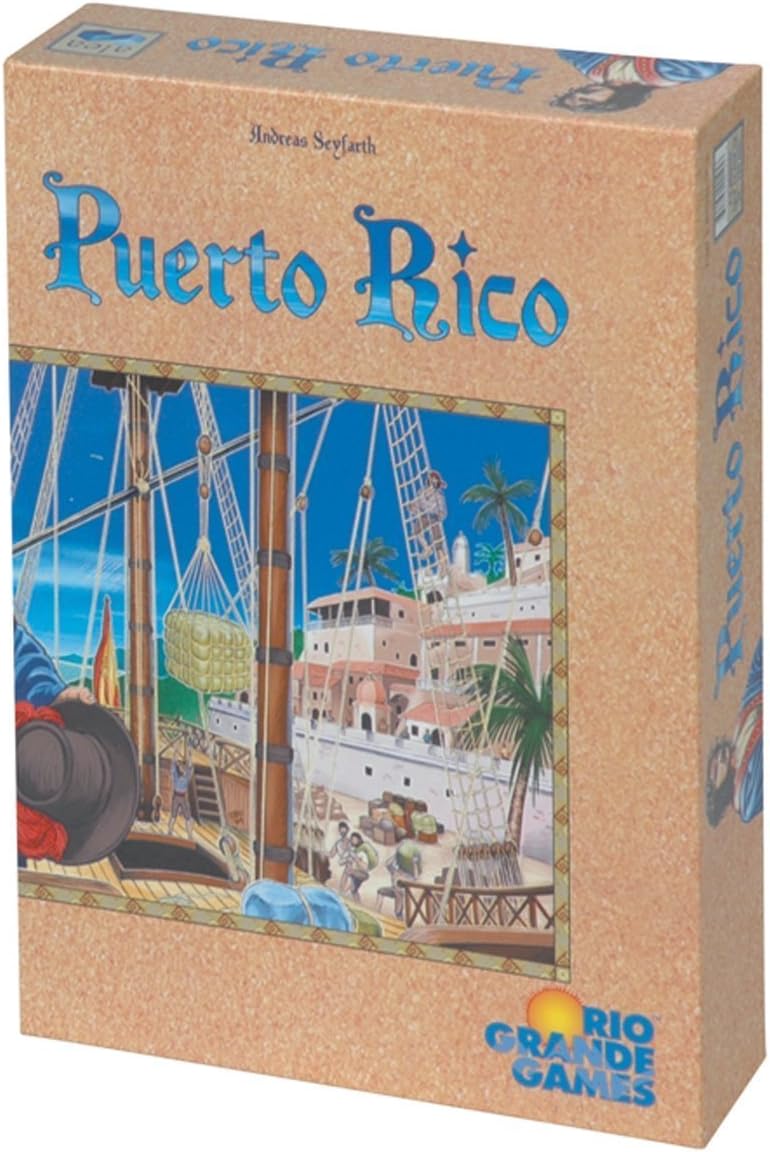
Train routes across America. Five minutes to learn, plays for years.…