Head-to-head comparison
Turing Machine vs Cryptid
Both are deduction games for a quiet table. Cryptid has more interaction and needs three or more; Turing Machine is the better solo and two-player choice.
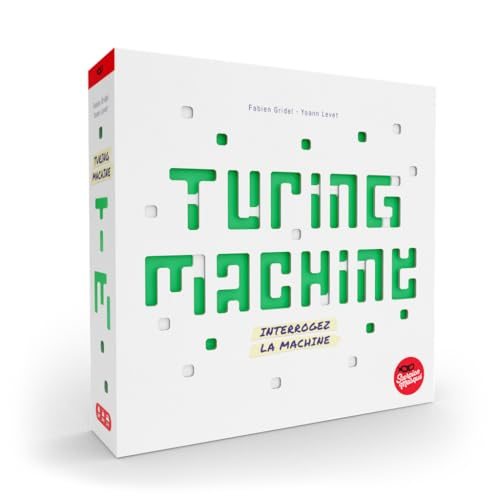 Medium weight
Turing Machine
$39.95, checked Nov 22.
Crack a three-digit code by questioning a computer made of punched cards. A pure logic puzzle with millions of problems online.
Buy Turing Machine · $39.95 → medium weight
Cryptid
$35, catalog price.
Deductively search for the mysterious creature with your unique clues.
Buy Cryptid · $35 →Pick Turing Machine if
You want a pure logic puzzle you can also play alone, questioning a machine made of punched cards.
Pick Cryptid if
You want to deduce against people: each player holds one clue, and you learn from where others search.
Side by side.
| Fact | Turing Machine | Cryptid |
|---|---|---|
| Players | 1-4 | 3-5 |
| Playing time | 20 min | 30-50 min |
| Weight | Medium | Medium |
| Price today | $39.95 | $35 |
- At two players: Turing Machine. Cryptid needs three.
- Solo: Turing Machine has a solo mode, Cryptid does not.
- Biggest table: Cryptid seats five, Turing Machine stops at four.
- Cheaper today: Cryptid by $4.95, price checked Nov 22.
The tradeoff.
Turing Machine
Turing Machine is a deduction game with a remarkable gadget at its center. The goal is to find a secret three-digit code. You propose a code by stacking three punched cards, one for each digit, and then test it against a verifier card. The holes line up to show a single tick or cross. Each verifier checks one rule, for example whether the first digit is greater than the second, and the hard part is that you do not know exactly which rule each one is checking.
You may ask three questions per round, and then decide whether you know the answer. The winner is whoever solves the code in the fewest rounds. It works with no electronics at all, and the website offers millions of extra problems at different difficulty levels. This is a quiet, heads-down game. Players do not interact beyond racing each other, and many people prefer it solo, as a daily puzzle. If you like Sudoku, Mastermind or Cryptid, you will like this very much. It is not a game for a chatty evening.
Best for: Solo, For Introverts, Two Players
Cryptid
Cryptid is a deduction game where players work cooperatively to pinpoint the location of a hidden creature on a shared map. Each player receives a unique clue describing where the cryptid is not, perhaps it avoids certain terrain types or keeps its distance from specific landmarks. On your turn, you'll place elimination markers on the map to reveal information, then other players use logical deduction to determine what your clue means. The core loop involves players gradually narrowing the possible locations through careful questioning and spatial reasoning, until someone has enough information to confidently identify the creature's hex on the map.
What sets Cryptid apart is its elegant simplicity masking genuine intellectual satisfaction. The clues force you to think spatially and reason backward from negative space, creating moments of genuine delight when the board state suddenly clicks into place. There's no luck, no dice, and no player elimination, just pure collaborative puzzle-solving that rewards careful listening and lateral thinking. Unlike heavier deduction games that can feel tedious, Cryptid maintains momentum while delivering the mental engagement that makes you want to immediately play again with fresh clues.
Best for: For Introverts
These are editorial picks; publishers cannot pay to appear here. Amazon links fund the site, and if you'd rather buy local, find a store via BoardGameGeek.
Also worth considering.
Games that share contexts with both Turing Machine and Cryptid.
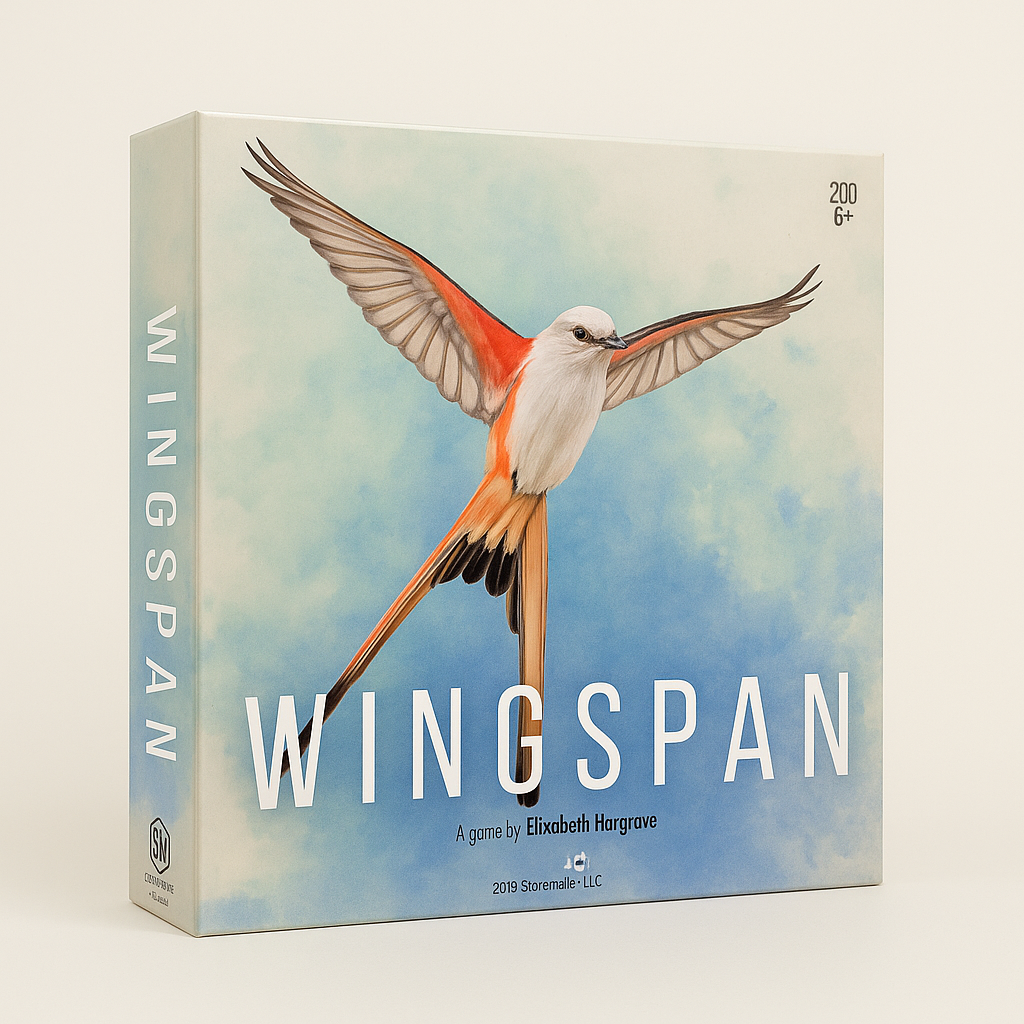
Birds, engine-building, exquisite art. Plays light enough for casual nights, deep enough for repeat play.…
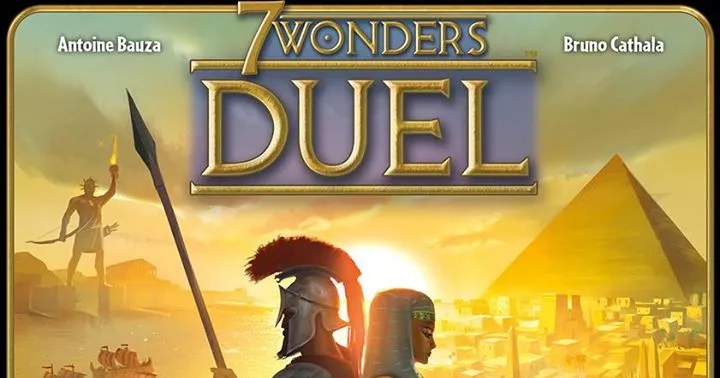
The two-player version that's actually better than the original. Tense, every choice matters.…

Reverse-colonialism cooperative. The thinky version of Pandemic. Endless replayability.…

Cooperative trick-taking. 96 missions of escalating difficulty. Plays anywhere.…